Table Of Content
- Save More on Every Order – Grab the Latest Coupons & Deals
- Protein vs Creatine: What Is the Difference?
- What Does Protein Do?
- What Does Creatine Do?
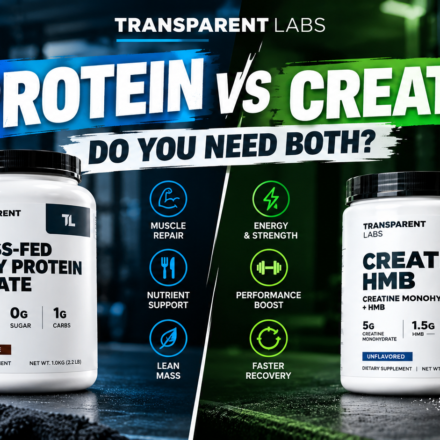
- Do You Need Both Protein and Creatine?
- Key Factors to Consider Before Buying
- How Transparent Labs Fits Your Routine
- Grass-Fed Whey Protein Isolate
- Creatine HMB
- Pros and Cons of Using Both
- Save More on Every Order – Grab the Latest Coupons & Deals
- Frequently Asked Questions
- Can you take protein and creatine together?
- Is protein or creatine better for muscle growth?
- Should beginners take both supplements?
- Does creatine replace protein powder?
- When should you take protein and creatine?
- Conclusion
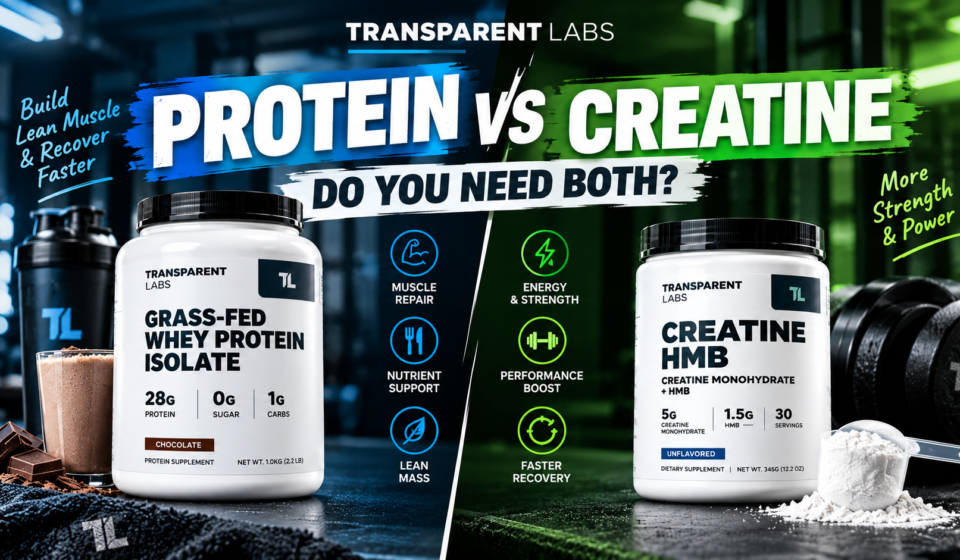
When building a fitness routine, choosing between protein and creatine can be confusing. Both are popular in sports nutrition, but they serve different purposes. Protein provides amino acids needed to build and repair body tissues, while creatine helps muscles produce energy during short, high-intensity efforts. Understanding protein vs creatine can help you decide which supplement, if either, makes sense for your goals.
The good news is that you do not necessarily have to choose one over the other. Your decision depends on your diet, training schedule, budget, and individual needs. Some people benefit from using both, while others can meet their protein requirements through food and may not need a creatine supplement. Transparent Labs offers products in both categories, making it useful to understand their differences before comparing formulas.
Save More on Every Order – Grab the Latest Coupons & Deals
Protein vs Creatine: What Is the Difference?
What Does Protein Do?
Protein provides amino acids that help build muscle, repair tissues, and support recovery after exercise, especially when combined with resistance training.
Protein comes from foods such as eggs, dairy products, fish, poultry, beans, lentils, tofu, and nuts. Protein powder is a convenient option when meals alone do not provide enough.
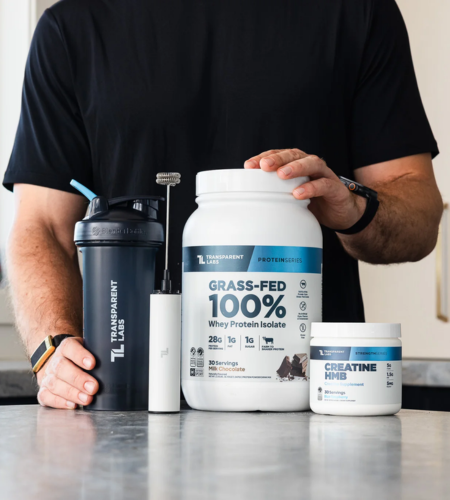
Whey protein is derived from milk and contains all nine essential amino acids. Transparent Labs Grass-Fed Whey Protein Isolate is one example of a supplemental protein source. The company lists 28 grams of protein per serving for this product; check the current label because formulations and serving details can change.
What Does Creatine Do?
Creatine is a naturally occurring compound stored mainly in muscles. It helps replenish adenosine triphosphate, or ATP, which supplies energy for muscle contractions. Creatine supplementation may improve performance during repeated high-intensity activities, such as weightlifting and sprinting.
Unlike protein powder, creatine is not a meaningful source of dietary protein. It does not replace amino acids or fulfill your daily protein requirements.
Creatine monohydrate is a widely researched form. It is commonly used consistently rather than only immediately before or after workouts. Some people experience an increase in body weight because creatine can increase water stored in muscles. This change should not automatically be interpreted as new muscle tissue.
Do You Need Both Protein and Creatine?
You may benefit from both supplements, depending on your diet and training goals, but neither is essential for everyone.
- Protein powder: If you struggle to meet daily protein needs.
- Creatine: To support high-intensity exercise and resistance training.
- Both: If you need extra protein and creatine suits your goals.
- Neither: If your diet already meets your nutritional needs.
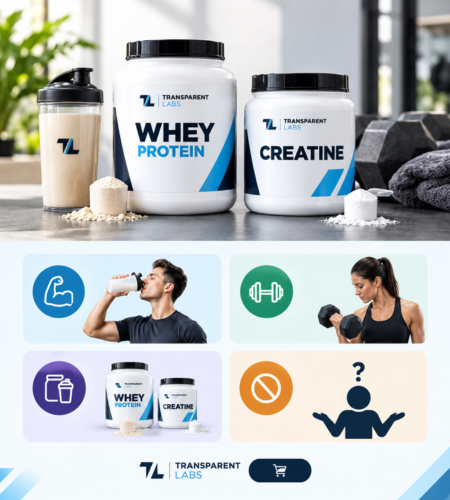
The important distinction is that protein and creatine are not interchangeable. One supplies amino acids, while the other supports rapid energy regeneration in muscle. Taking both does not automatically produce better results than using an appropriate supplement alongside a well-planned diet and training program.
Key Factors to Consider Before Buying
Before purchasing protein powder or creatine, evaluate the following:
- Ingredients: Review the complete ingredient list, serving size, allergens, and any additional compounds.
- Cost per serving: Compare the price with the number of servings and the amount of the ingredient you actually need.
- Dietary preferences: Consider dairy tolerance, flavor options, sweeteners, and other dietary requirements.
- Product transparency: Look for clear labeling and accessible testing information where available.
- Practical use: Choose products that fit your routine and are easy to use consistently.
Transparent Labs publishes product details and provides information about third-party testing. Review the documentation for the specific product you are considering instead of assuming every formula has identical testing or specifications. Current prices, availability, shipping options, and return conditions should also be checked before ordering.
How Transparent Labs Fits Your Routine
Transparent Labs offers sports nutrition products, including Grass-Fed Whey Protein Isolate and Creatine HMB. These products address different needs, so compare their ingredient lists and intended uses rather than treating them as alternatives that do the same job.
Grass-Fed Whey Protein Isolate
Transparent Labs Grass-Fed Whey Protein Isolate provides 28 grams of protein per serving, offering a convenient option for people who tolerate dairy and want to increase their protein intake.
However, protein powder is not necessary if you already get sufficient protein from food. People with milk allergies should avoid whey, and anyone with dietary restrictions should review the ingredients carefully.

Creatine HMB
Transparent Labs Creatine HMB combines creatine monohydrate with HMB and other listed ingredients. This may appeal to shoppers who prefer a multi-ingredient product. It is worth checking the current label to understand the amounts of each ingredient and whether the combination suits your needs.
If your primary goal is to supplement creatine, compare the formula with plain creatine monohydrate. Additional ingredients can increase complexity and cost without necessarily being necessary for every user.
Pros and Cons of Using Both
Potential advantages
- Protein powder can help fill gaps in daily protein intake.
- Creatine may support high-intensity exercise performance.
- Both can fit into a routine built around balanced nutrition and structured training.
- Using suitable products can offer convenience when planning meals and workouts.
Potential disadvantages
- Buying both adds expense and may be unnecessary.
- Protein powders can contain allergens or ingredients that do not suit everyone.
- Creatine may cause water-weight changes or digestive discomfort in some users.
- Supplements cannot replace adequate food intake, sleep, recovery, or progressive training.
Save More on Every Order – Grab the Latest Coupons & Deals
Frequently Asked Questions
Can you take protein and creatine together?
Many healthy adults use both in the same routine. Follow the directions for each product, and seek professional advice if you have a medical condition or take medication that may affect supplement suitability.
Is protein or creatine better for muscle growth?
Neither is universally better because they serve different functions. Protein supports muscle tissue maintenance and repair, while creatine may improve training capacity. Appropriate nutrition and resistance training remain fundamental.
Should beginners take both supplements?
Not necessarily. Beginners should first establish consistent training and balanced eating habits. Protein powder may help fill a dietary gap, while creatine can be considered based on goals, health status, and professional guidance when needed.
Does creatine replace protein powder?
No. Creatine does not provide the protein needed to meet daily dietary requirements. If your diet lacks sufficient protein, creatine will not correct that shortfall.
When should you take protein and creatine?
Protein can be consumed whenever convenient as part of your daily eating pattern. Creatine is commonly taken consistently according to product directions; precise timing is generally less important than establishing a suitable routine.
Conclusion
The protein vs creatine decision becomes simpler when you understand what each one does. Protein supplies amino acids for tissue maintenance and muscle repair, while creatine may support repeated high-intensity exercise. You may choose both if they address separate needs, but neither is automatically required.
Before selecting Transparent Labs Grass-Fed Whey Protein Isolate or Creatine HMB, assess your diet, goals, budget, and individual circumstances. Compare current product labels and make supplements a secondary part of a routine built around nutritious meals, progressive training, and sufficient recovery.