Table Of Content
- Save More on Every Order – Grab the Latest Coupons & Deals
- Why These 5 Protein Powder Checks Matter
- 1. Check Protein Per Serving
- 2. Read the Ingredient List
- 3. Choose the Right Protein Source
- 4. Compare Serving Value, Not Just Tub Price
- 5. Consider Allergens and Dietary Needs
- How Transparent Labs Fits the Buying Guide
- Pros and Cons to Consider
- Save More on Every Order – Grab the Latest Coupons & Deals
- Frequently Asked Questions
- Is protein powder necessary for muscle growth?
- What should I check first on a protein powder label?
- Is whey isolate better than regular whey protein?
- How can I compare protein powder prices fairly?
- Can I use protein powder if I have food allergies?
- Related Resources
- Conclusion
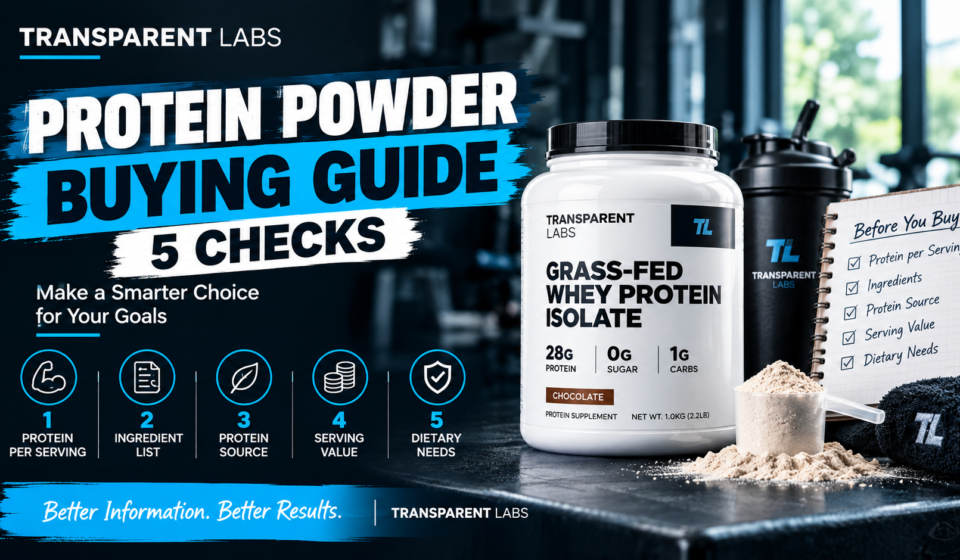
Choosing a protein powder can be confusing when every tub highlights different benefits, flavors, and nutrition claims. A large container or bold label does not automatically mean a product is the right fit for your diet, budget, or fitness goals. A reliable protein powder buying guide helps you look beyond the front design and compare the information that matters most.
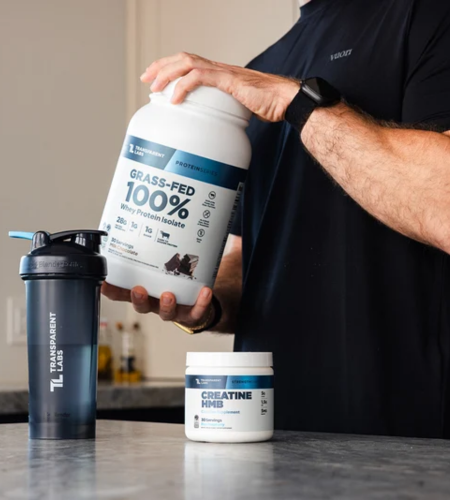
Before purchasing, check the protein amount per serving, ingredient list, protein source, cost per serving, and suitability for your dietary needs. These five steps can help you compare products more fairly and avoid paying for features you do not need. Transparent Labs offers protein options, including Grass-Fed Whey Protein Isolate, that shoppers can evaluate using the same practical checklist.
Save More on Every Order – Grab the Latest Coupons & Deals
Why These 5 Protein Powder Checks Matter
Protein powder can help fill gaps in your diet, but it isn’t essential for everyone. Eggs, dairy, beans, lentils, fish, meat, and tofu also provide protein.
The goal is not to find the most expensive tub or the product with the boldest claims. It is to identify a powder that fits your nutritional needs, ingredient preferences, and spending limit.
1. Check Protein Per Serving
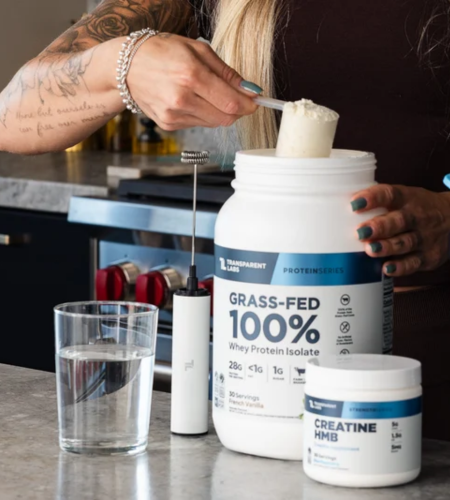
Start with the nutrition panel rather than the large claims on the front of the package. Look for the grams of protein in one serving and confirm the serving size in grams or scoops.
Two products may advertise similar protein amounts but use different serving sizes. Comparing both figures gives you a clearer idea of how much of each serving is protein.
Also review calories, carbohydrates, fat, and added sugar if these matter to your eating plan. No single protein amount makes a powder ideal for everyone; your needs depend on your overall diet, activity, and goals.
2. Read the Ingredient List
The ingredient list explains what the powder contains beyond its main protein source. Depending on the formula, you may see flavorings, sweeteners, cocoa, thickeners, or other added ingredients.
Check the list for anything you prefer to avoid, and do not assume that a shorter ingredient list automatically makes a product better. Consider the purpose of each ingredient and whether it suits your preferences.
Review the nutrition facts and ingredient list together. If a product makes a claim about sugar, protein, or other nutrients, verify the relevant information on its label. If you have an allergy or intolerance, examine the allergen statement and manufacturer information carefully.
3. Choose the Right Protein Source
Protein powders vary based on dietary needs and preferences:
- Whey protein: A popular dairy-based option.
- Whey isolate: Typically higher in protein by weight.
- Casein: A milk protein with slower digestion.
- Plant-based protein: Soy, pea, or blends for those avoiding dairy.
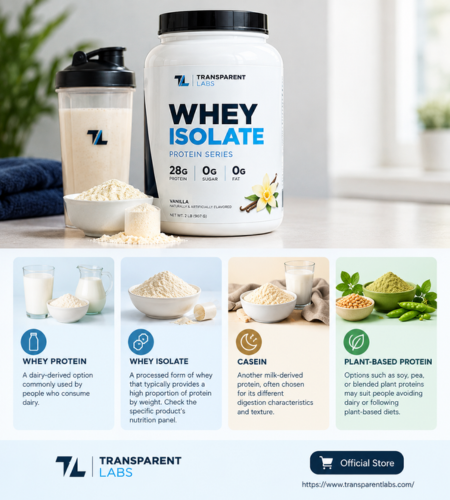
Transparent Labs Grass-Fed Whey Protein Isolate is one option for shoppers looking for a whey-based product. Since it is dairy-derived, it may not be appropriate for people with milk allergies or those avoiding animal products. Always confirm the current ingredients and allergen information before buying.
4. Compare Serving Value, Not Just Tub Price
A lower-priced container is not always the better value. Compare the number of servings, serving size, and protein supplied per serving before deciding.
For a simple comparison, divide the product price by the number of servings. For a more useful comparison between different formulas, calculate the cost per 20 grams of protein:
Cost per 20 g of protein = (price ÷ total grams of protein in the container) × 20.
Use the current label and price to perform the calculation, because serving counts, product sizes, and prices can change. Also consider whether you will realistically enjoy the flavor and use the product consistently. A powder that stays unused is poor value regardless of its price.
5. Consider Allergens and Dietary Needs
Your personal dietary needs should guide the final decision. Check for milk, soy, gluten-related statements, sweeteners, and any other ingredients relevant to your circumstances. Not every powder contains the same allergens, and manufacturing or cross-contact information can differ by product.
If you have a medical condition, follow a medically prescribed diet, or are unsure how much protein is appropriate for you, ask a qualified healthcare professional or registered dietitian. People with kidney disease, for example, may need individualized guidance about protein intake.
Also consider practical details such as taste, mixability, serving convenience, and whether the powder fits your usual meals. A suitable product should work with your routine rather than replace a balanced diet.
How Transparent Labs Fits the Buying Guide
Transparent Labs offers Grass-Fed Whey Protein Isolate, with product details covering protein content, serving size, flavors, and price. Check the current product label for the latest information.
Before buying, check the ingredients, serving size, allergens, and price. Compare similar products to find the best fit for your needs rather than relying on branding alone.
Pros and Cons to Consider
Potential advantages
- A convenient way to supplement protein intake.
- Multiple protein sources are available across the wider market.
- Comparing labels makes it easier to assess serving value and ingredients.
- Transparent Labs provides product details online for shoppers to review.
Potential drawbacks
- Protein powder adds cost when whole-food sources already meet your needs.
- Flavors, textures, and sweeteners may not suit everyone.
- Whey products are not suitable for people avoiding dairy.
- Prices, shipping availability, and product formulations may change.
Save More on Every Order – Grab the Latest Coupons & Deals
Frequently Asked Questions
Is protein powder necessary for muscle growth?
No. It may help you meet your protein needs, but overall diet, training, recovery, and consistency also matter. Protein-rich foods can meet those needs without supplements.
What should I check first on a protein powder label?
Start with protein per serving and serving size. Then review the ingredient list, protein source, calories, added sugar, and allergen information.
Is whey isolate better than regular whey protein?
Not automatically. Whey isolate is generally more concentrated in protein by weight, but the best option depends on your dietary needs, tolerance, budget, and the specific product label.
How can I compare protein powder prices fairly?
Compare the price per serving and, where useful, the cost per 20 grams of protein. Make sure the serving sizes and protein amounts are taken from the current labels.
Can I use protein powder if I have food allergies?
Only consider a product after carefully checking its ingredients and allergen statements. If you have a serious allergy or uncertainty about cross-contact, consult a qualified healthcare professional and the manufacturer before use.
Related Resources
For more information about the brand, consult the article titled “Transparent Labs Review: The Ultimate Guide to Clean, High-Performance Supplements.” It offers additional context for readers researching Transparent Labs products.
Conclusion
A practical protein powder buying guide comes down to five checks: protein per serving, ingredients, protein source, serving value, and dietary needs. Comparing these details helps you make a decision based on your priorities rather than packaging or marketing claims. Transparent Labs Grass-Fed Whey Protein Isolate is one product you can evaluate using this checklist, but the right choice is the one that fits your nutrition requirements, preferences, and budget. Review the current product details on the official Transparent Labs store before deciding whether it belongs in your routine.