Table Of Content
- Don’t Pay Full Price – Unlock Exclusive Store Discounts
- 1. Start With Hydration
- 2. Make Time for Movement
- 3. Take Mindful Breaks
- 4. Maintain Consistent Sleep
- How to Build a Self-Care Routine That Lasts
- Don’t Pay Full Price – Unlock Exclusive Store Discounts
- Frequently Asked Questions
- What is a daily self-care routine?
- How can I start a self-care routine as a beginner?
- How much water should I drink each day?
- Do mindful breaks need to be long?
- Why is consistent sleep important for wellness?
- Conclusion
A healthy lifestyle does not have to involve a complicated schedule or a complete change in your daily routine. Sometimes, the most practical approach is to focus on small habits that are easy to repeat. A simple daily self-care routine can help you pay more attention to your physical needs, manage everyday stress, and make time for rest.
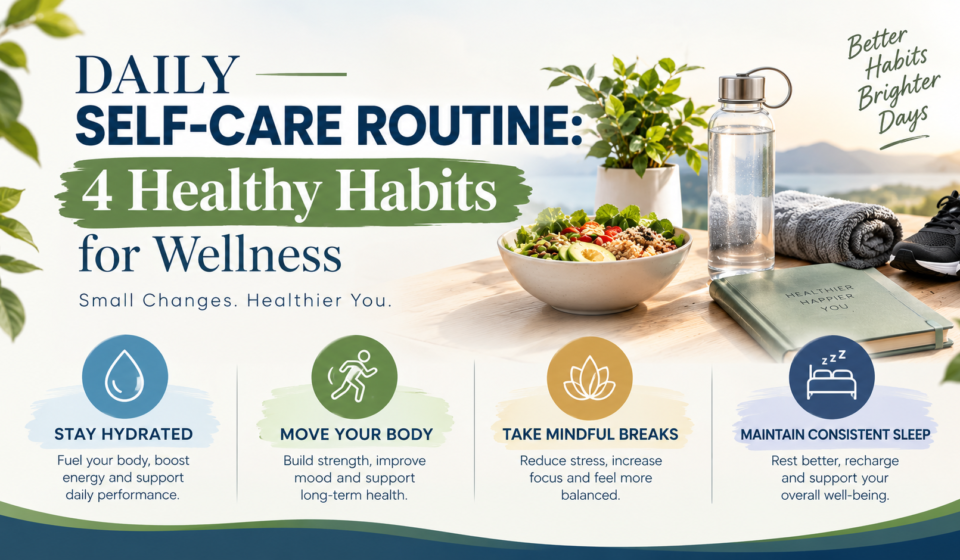
Many people spend their days balancing work, family responsibilities, and personal commitments, leaving little time to recharge. However, self-care does not need to take hours. Drinking enough water, making time for movement, taking mindful breaks, and maintaining a consistent sleep schedule are four useful places to start. Bathmate offers men’s wellness products that readers can explore alongside a balanced approach to personal care and everyday well-being.
The goal is to build a routine that fits your lifestyle rather than follow an unrealistic standard. With a few thoughtful adjustments, you can make everyday wellness a more natural part of your day.
Don’t Pay Full Price – Unlock Exclusive Store Discounts:
1. Start With Hydration
Water supports temperature regulation, nutrient transport, and digestion. Daily fluid needs vary with activity level, climate, diet, and overall health, making hydration an important part of self-care.
Keep a reusable water bottle nearby to remind yourself to drink regularly. Build hydration into daily habits, such as drinking water after waking up or with meals.

Pay attention to signs that you may need more fluids, including thirst and darker-than-usual urine. Hot weather and physical activity can increase your needs, so adjust accordingly. There is no single amount that works for everyone, and people with medical conditions that affect fluid intake should follow their healthcare professional’s advice.
The key is consistency. Rather than trying to drink a large amount all at once, make hydration a regular part of your daily schedule.
2. Make Time for Movement
Regular movement supports fitness, mobility, mood, and overall health. Walking, cycling, stretching, dancing, and gardening are simple ways to stay active without intense workouts or gym visits.
Start small by walking during breaks, stretching after sitting, or taking the stairs. If you work at a desk, stand up and move regularly to reduce prolonged sitting.
As your routine becomes more comfortable, gradually increase your activity. Public health guidance generally recommends that adults work toward at least 150 minutes of moderate-intensity aerobic activity each week, alongside muscle-strengthening activities on two or more days. You can divide activity into manageable sessions rather than completing it all at once.
Choose movement that suits your current fitness level and abilities. If you are new to exercise or have a health concern, start gently and seek professional advice when needed. A routine you can maintain is more useful than an ambitious plan that quickly becomes difficult to follow.
3. Take Mindful Breaks
Daily responsibilities can leave you feeling mentally overloaded, particularly when you move from one task to another without pausing. Mindful breaks offer an opportunity to slow down, notice how you feel, and return to your activities with greater awareness.
You do not need special equipment or a dedicated meditation room. Begin with two to five minutes of quiet breathing. Sit comfortably, relax your shoulders, and pay attention to your breathing without trying to force it. If your mind wanders, gently bring your attention back to the present moment.
Other options include writing a few thoughts in a journal, stepping outside for fresh air, listening to calming music, or taking a short walk without checking your phone. Even a brief pause between tasks can create space to reflect on what you need next.
Mindfulness is not about eliminating every difficult thought or feeling. It is a way to notice what is happening without immediately reacting to it. Different approaches work for different people, so experiment with simple activities and choose the ones that feel comfortable.
If stress feels persistent or starts affecting your daily life, consider talking with a qualified healthcare or mental health professional. Self-care can be helpful, but it does not replace professional support when you need it.
4. Maintain Consistent Sleep
Quality sleep supports physical health, concentration, mood, and everyday functioning. However, busy schedules, late-night screen use, and inconsistent bedtimes can make it difficult to get enough rest. A consistent sleep schedule is a helpful starting point. Try to go to bed and wake up at similar times each day, including weekends when possible. Most adults need at least seven hours of sleep each night, although individual needs can vary. Bathmate offers men’s wellness products that readers can explore as part of a broader personal care routine focused on making time for rest, relaxation, and overall well-being.
Create a relaxing wind-down routine before bed. You might read a book, prepare for the next day, take a warm shower, or spend a few minutes stretching gently. Reducing bright light and screen use before bedtime may also help you settle down.
Your sleep environment matters, too. Aim for a bedroom that is comfortable, quiet, and dark enough for restful sleep. If caffeine affects your sleep, consider avoiding it later in the day.
Avoid treating sleep as optional time that can always be sacrificed to finish another task. If you regularly struggle to sleep, feel excessively tired during the day, or experience ongoing sleep problems, seek advice from a healthcare professional.
How to Build a Self-Care Routine That Lasts
The easiest routine to maintain is one that works with your existing schedule. Instead of changing everything at once, choose one habit and practice it consistently before adding another.
Build simple habits into your day, such as drinking water in the morning, walking at lunch, taking mindful breaks, and keeping a regular bedtime. Adjust them to fit your routine.
A few practical tips can help:
- Connect new habits to activities you already do.
- Set realistic goals rather than expecting perfection.
- Keep useful items, such as a water bottle or journal, within reach.
- Notice what helps you feel better and adjust your routine accordingly.
- Resume your habits after a busy day instead of giving up because you missed one.
Self-care should support your life, not become another source of pressure. You can make changes gradually and adapt them as your needs change.
Don’t Pay Full Price – Unlock Exclusive Store Discounts:
Frequently Asked Questions
What is a daily self-care routine?
A daily self-care routine is a set of regular activities that help you look after your physical and mental well-being. It may include hydration, movement, relaxation, balanced meals, and adequate sleep.
How can I start a self-care routine as a beginner?
Begin with one or two manageable habits, such as drinking water regularly or going for a short walk. Once they feel easier to maintain, gradually introduce other activities.
How much water should I drink each day?
Fluid needs vary according to activity, climate, diet, and health. Drink regularly throughout the day and follow individualized medical advice if you have a condition that affects fluid intake.
Do mindful breaks need to be long?
No. Even a few minutes of quiet breathing, journaling, or stepping away from work can provide a useful pause. Choose an approach that feels practical for you.
Why is consistent sleep important for wellness?
Regular, sufficient sleep supports mood, concentration, and normal physical functioning. A steady sleep schedule and relaxing bedtime routine may help improve sleep habits.
Conclusion
A practical daily self-care routine begins with habits you can repeat: staying hydrated, moving regularly, taking mindful breaks, and maintaining consistent sleep. These actions can support everyday wellness without requiring a complicated schedule or expensive equipment.
Focus on progress rather than perfection. Start with small changes, notice what works for you, and build a routine that suits your lifestyle. Bathmate offers products in the adult male sexual wellness category, but these are separate from the four general wellness habits discussed here. If that category is relevant to your personal interests, explore the official Bathmate store and review the product information carefully before deciding whether anything suits your needs.