

Table Of Content
- Save More on Every Order – Grab the Latest Coupons & Deals
- 1. Sleep Changes During Perimenopause
- 2. Mood Changes and Emotional Well-Being
- 3. Menstrual Cycle Changes
- 4. Temperature Changes: Hot Flashes and Night Sweats
- 5. Personalized Care and Professional Guidance
- Save More on Every Order – Grab the Latest Coupons & Deals
- Frequently Asked Questions
- At what age does perimenopause usually begin?
- How long does perimenopause last?
- Can perimenopause affect sleep and mood at the same time?
- Do irregular periods always mean perimenopause?
- What treatments are available for perimenopause symptoms?
- Conclusion
Perimenopause is a natural stage of life when hormonal fluctuations begin preparing the body for menopause. If you have noticed changes in your sleep, mood, menstrual cycle, or body temperature, you may be wondering what is happening and whether these experiences are normal. Understanding what changes during perimenopause can help you recognize common patterns, keep track of your symptoms, and make informed decisions about your well-being.
Although every woman’s experience is different, five areas deserve particular attention: sleep changes, mood changes, menstrual cycle changes, hot flashes and night sweats, and personalized healthcare. Learning about these changes can make the transition easier to understand. For women exploring additional support, Inner Balance offers information about perimenopause care and prescription treatment options that can be discussed with a qualified healthcare professional.
Save More on Every Order – Grab the Latest Coupons & Deals
1. Sleep Changes During Perimenopause
Changes in sleep are a common concern during perimenopause. You might find it harder to fall asleep, wake up repeatedly during the night, or feel less rested in the morning. Night sweats can interrupt sleep, while stress, anxiety, and other health factors may also contribute.
Poor sleep can affect daytime energy, concentration, and patience, making everyday responsibilities feel more demanding.
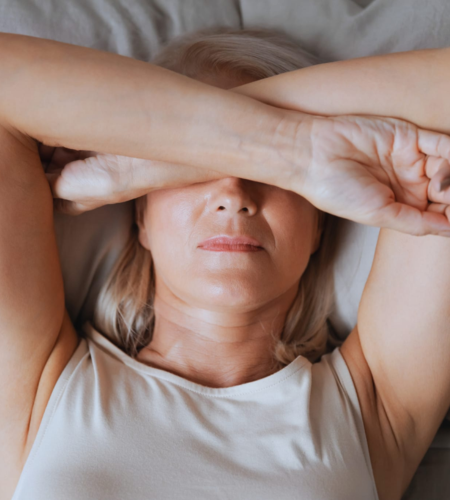
Practical ways to support better sleep include:
- Maintain a consistent bedtime and waking schedule.
- Keep your bedroom cool, comfortable, and dark.
- Develop a relaxing evening routine.
- Track nighttime waking, sweating, and other symptoms.
If sleep problems persist or significantly affect daily life, discuss them with a healthcare professional. They can help identify possible causes and appropriate management options rather than assuming every sleep disturbance is hormonal.
2. Mood Changes and Emotional Well-Being
Hormonal fluctuations during perimenopause may coincide with mood swings, irritability, anxiety, or periods of low mood. Some women also notice difficulty concentrating or occasional memory lapses, sometimes described as brain fog.
These experiences may also stem from poor sleep, stress, family responsibilities, or life changes. Recognizing patterns can help you understand emotional shifts without assuming hormones are the only cause.

Consider keeping a brief daily record of your mood, sleep quality, stress levels, and menstrual cycle. This information may help you identify patterns and explain your concerns during a medical appointment.
Gentle physical activity, relaxation techniques, regular meals, and supportive conversations may contribute to overall well-being. However, persistent sadness, severe anxiety, or emotional symptoms that interfere with everyday activities deserve professional attention.
3. Menstrual Cycle Changes
Changes in menstrual bleeding are often among the first noticeable signs of perimenopause. As reproductive hormone levels fluctuate and ovulation becomes less predictable, periods may become shorter, longer, lighter, heavier, or less regular. You may occasionally skip a period as well.
These changes can make it difficult to predict when your next period will arrive. Keeping a calendar of bleeding patterns can help you understand what is changing and provide useful information for a healthcare appointment.
It is important not to dismiss every change as perimenopause. Seek medical advice for unusually heavy bleeding, bleeding between periods, periods that last longer than expected, or other concerning changes. Any vaginal bleeding after 12 months without a period should be evaluated promptly.
Pregnancy can still occur during perimenopause. If pregnancy is possible and not desired, discuss appropriate contraception with your healthcare professional.
4. Temperature Changes: Hot Flashes and Night Sweats
Hot flashes are sudden feelings of warmth, often affecting the face, neck, and chest. They may be accompanied by sweating, flushing, or a noticeable heartbeat. When similar episodes occur during sleep, they are commonly called night sweats.
Their frequency and intensity vary considerably. Some women experience occasional episodes, while others find that temperature changes disrupt sleep, work, exercise, or social activities.
A few practical approaches may help you manage discomfort:
- Wear lightweight clothing or removable layers.
- Keep a fan or cool water nearby.
- Adjust bedroom temperature for greater comfort.
- Notice whether particular foods, drinks, or situations seem to trigger episodes.
If hot flashes or night sweats interfere with your quality of life, ask about available treatment options. Hormonal and nonhormonal approaches may be appropriate for different people, depending on symptoms, medical history, preferences, and potential risks.
5. Personalized Care and Professional Guidance
There is no single experience of perimenopause. Some women have mild symptoms, while others experience several changes that affect daily life. Age, medical history, medications, and individual circumstances all matter when deciding what support may be appropriate.
A useful first step is to record your main symptoms, when they occur, how severe they feel, and how they affect your routine. Bring this information to a healthcare appointment so you can discuss your concerns and available options.

Inner Balance provides information about perimenopause care through its Oestra treatment program. Its official website describes prescription treatment, clinical follow-up, and individualized care options. These services may be worth exploring if you are seeking professional guidance, but treatment suitability should be assessed by a qualified clinician.
Hormone therapy is not right for everyone. Ask about expected benefits, potential risks, alternatives, monitoring, and costs before making a decision. Be cautious of products or programs that promise guaranteed results or suggest that one treatment is suitable for every woman.
Save More on Every Order – Grab the Latest Coupons & Deals
Frequently Asked Questions
At what age does perimenopause usually begin?
Perimenopause often begins during the 40s, although timing varies. Symptoms and menstrual changes can appear earlier or later, so age alone cannot confirm the transition.
How long does perimenopause last?
It can last several years. The duration varies from person to person, and symptoms may change throughout the transition.
Can perimenopause affect sleep and mood at the same time?
Yes. Sleep disturbances, night sweats, mood changes, and anxiety can overlap. Persistent symptoms should be discussed with a healthcare professional.
Do irregular periods always mean perimenopause?
No. Pregnancy, medications, thyroid conditions, and other health issues can also affect menstrual patterns. A clinician can help determine the likely cause.
What treatments are available for perimenopause symptoms?
Depending on your symptoms and medical history, options may include lifestyle adjustments, hormonal treatments, nonhormonal medications, or other supportive approaches. A healthcare professional can help you weigh the benefits and risks.
Conclusion
Understanding what changes during perimenopause starts with recognizing that sleep, mood, menstrual cycles, and temperature regulation can all change during this transition. Tracking your symptoms and seeking medical advice when needed can help you make informed decisions instead of navigating every change alone.
If you want to explore professional support, consider reviewing the perimenopause care information provided by Inner Balance and discussing relevant options with a qualified healthcare professional. The goal is to find an approach that fits your individual needs, health history, and preferences.