Table Of Content
- 🔥 Huge Discounts & Special Offers
- Why Choosing the Right Nursing Shoes Matters
- How to Choose the Best Nursing Shoes for Long Shifts
- 1. Look for Comfortable Cushioning
- 2. Prioritize Support and Stability
- 3. Check Slip-Resistant Outsoles
- 4. Consider Breathable and Easy-Clean Materials
- 5. Find the Right Fit
- How Uniform Advantage Fits the Topic
- Footwear Options Worth Exploring
- Athletic Nursing Shoes
- Nursing Clogs
- Slip-Resistant Shoes
- Slip-On Nursing Shoes
- Why Consider Uniform Advantage?
- Pricing and Shipping
- Pros and Cons
- 🏷️ Amazing Clearance Deals & Discounts
- Frequently Asked Questions
- 1. What are the best nursing shoes for 12-hour shifts?
- 2. Are sneakers or clogs better for nurses?
- 3. Should nursing shoes have arch support?
- 4. Are slip-resistant shoes necessary for nurses?
- 5. How often should nursing shoes be replaced?
- 6. How should nursing shoes be cleaned?
- Conclusion
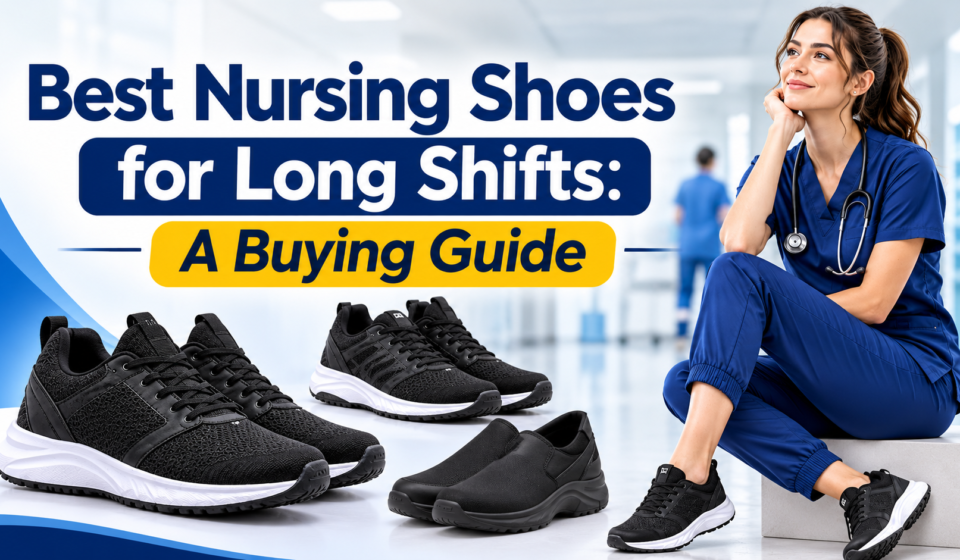
Spending long hours on your feet can make choosing the right footwear an important part of preparing for a nursing shift. Nurses regularly walk between patient rooms, stand during procedures, and move across different hospital or clinical environments. The best nursing shoes for long shifts should offer a comfortable fit, dependable support, suitable traction, and materials that are practical for everyday healthcare work.
However, not every comfortable-looking shoe provides the same experience. Foot shape, walking habits, workplace flooring, and personal preferences all influence which footwear feels suitable. Understanding these factors can make shopping easier. Uniform Advantage offers a range of medical footwear, including athletic shoes, nursing clogs, and slip-resistant styles, giving healthcare professionals different options to consider.
🔥 Huge Discounts & Special Offers
Why Choosing the Right Nursing Shoes Matters
Nursing footwear needs to handle more than ordinary daily walking. Long shifts can involve repeated movement, extended standing, and frequent changes in activity.
Shoes that fit poorly or lack suitable support may become uncomfortable during extended wear. The right design can make everyday movement more manageable while helping nurses maintain a practical and professional appearance.
Important considerations include:
- Cushioning: Comfortable cushioning can help make repeated walking and standing feel more manageable.
- Support and stability: A supportive structure and secure fit can provide a more stable walking experience.
- Slip resistance: Appropriate outsole traction is important when working around potentially wet or slippery surfaces.
- Easy-care materials: Healthcare footwear should be practical to clean according to the manufacturer’s instructions.
- Breathability: Materials that allow airflow may help improve comfort during extended wear.
These features should be considered together rather than choosing shoes based on appearance alone.
How to Choose the Best Nursing Shoes for Long Shifts
1. Look for Comfortable Cushioning
Cushioning is one of the first features to evaluate when comparing nursing shoes. Shoes with cushioned midsoles or supportive insoles may provide a more comfortable experience during extended periods of walking and standing.
Some designs use foam-based cushioning, while others feature removable insoles or structured footbeds. The ideal option depends on your personal comfort preferences and how the shoe fits your feet.
2. Prioritize Support and Stability
Arch support, heel stability, and overall shoe construction deserve attention. Different people have different foot shapes and support requirements, so there is no single design that works equally well for everyone.
Look for footwear that holds your heel securely without squeezing your toes. If you use custom orthotics, check whether the shoe has a removable insole and enough internal space to accommodate them.
3. Check Slip-Resistant Outsoles
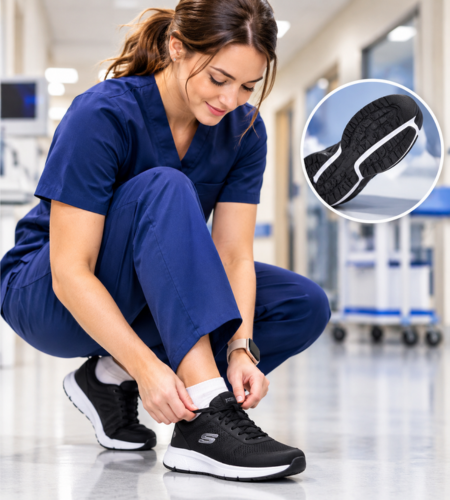
Hospital and clinical environments can include smooth floors and unexpected spills. Slip-resistant nursing shoes are worth considering because outsole designs are developed to provide traction on suitable surfaces.
Always check the manufacturer’s slip-resistance information. A slip-resistant label does not mean a shoe is completely slip-proof, and workplace footwear requirements should take priority.
4. Consider Breathable and Easy-Clean Materials
Mesh uppers can provide airflow, while leather and certain synthetic materials may offer different cleaning and durability characteristics.
Think about your working environment before choosing a material. Some shoes can be wiped clean, while others require specific care instructions. Avoid assuming that every athletic-style shoe is suitable for healthcare cleaning requirements.
5. Find the Right Fit
Even well-designed footwear may feel uncomfortable if the size or shape is unsuitable.
When trying nursing shoes, consider:
- Enough room for your toes to move naturally.
- A secure heel that does not slip excessively.
- Comfortable width across the forefoot.
- No pressure points around the sides or top.
- A fit that remains comfortable with your usual work socks.
Trying shoes later in the day may also help you assess fit when your feet have experienced normal daily swelling.
How Uniform Advantage Fits the Topic
Uniform Advantage is an online retailer of medical uniforms, footwear, and healthcare accessories. Its footwear collection includes athletic shoes, clogs, slip-on shoes, and other styles intended for medical professionals.
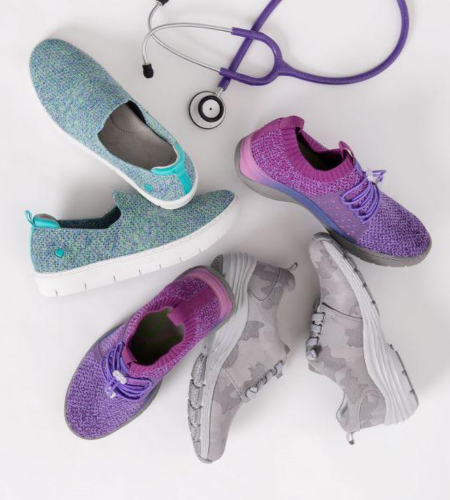
The store features brands such as Brooks, Skechers, Dansko, Crocs, New Balance, Clove, Anywear, and Nurse Mates. This selection gives shoppers different footwear designs to compare based on fit, construction, preferred style, and workplace requirements. Uniform Advantage+1
For nurses who prefer sneakers, athletic footwear may be worth exploring. Those who like a more structured design can compare nursing clogs and slip-on options. The important point is to evaluate individual shoe specifications instead of assuming every product offers identical comfort or support.
Footwear Options Worth Exploring
Uniform Advantage offers several footwear categories that may suit different working preferences.
Athletic Nursing Shoes
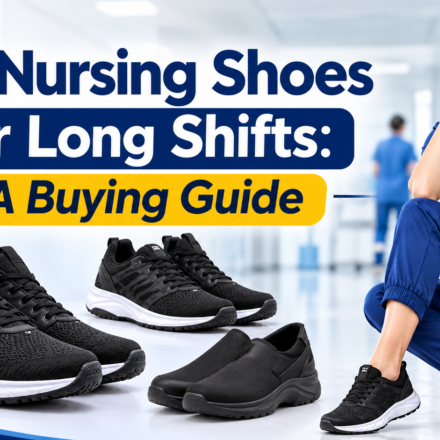
Athletic shoes are worth considering for nurses who spend much of their shifts walking. Depending on the model, they may feature cushioned midsoles, supportive construction, and breathable uppers.
Nursing Clogs
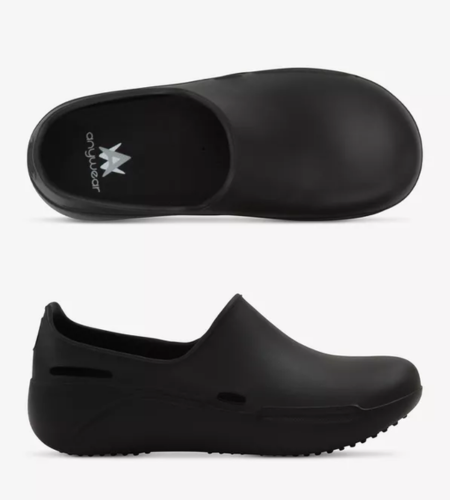
Clogs offer a different style of healthcare footwear. Some designs feature structured footbeds and slip-resistant outsoles. They may appeal to professionals who prefer an easy-to-wear design.
Slip-Resistant Shoes
These shoes prioritize outsole traction for workplace environments where floor conditions can change. Check the specific product description to understand its intended use and limitations.
Slip-On Nursing Shoes
Slip-on footwear can be convenient for people who prefer not to use traditional laces. However, heel security and overall fit should still be carefully evaluated.
Why Consider Uniform Advantage?
There are several practical reasons to explore its footwear selection:
- Multiple trusted footwear brands
- Athletic shoes, clogs, and slip-ons
- Men’s and women’s styles
- Filters for size, color, and category
- Product details and customer ratings
One limitation to remember is that product availability, sizes, prices, and discounts can change. A shoe listed in a particular size today may not remain available later.
Pricing and Shipping
Nursing shoe prices depend on the brand, design, and product features. Uniform Advantage displays prices on individual product listings, so checking the current price is more reliable than relying on an older price range.
The retailer also provides international shipping information. Its international FAQ states that shipping costs depend on package weight and destination, with estimated delivery times of three to eight business days for most eligible orders. Actual availability, delivery estimates, duties, and taxes should be confirmed for the destination before ordering. uniformadvantage.com
Pros and Cons
Pros
- Variety of medical footwear categories.
- Multiple recognizable footwear brands.
- Options for different styles and preferences.
- Product filters to simplify shopping.
- International ordering information is available.
Cons
- Not every shoe is available in every size.
- Pricing varies between products.
- Comfort and support depend on individual fit.
- International delivery costs and eligibility require checking.
🏷️ Amazing Clearance Deals & Discounts
Frequently Asked Questions
1. What are the best nursing shoes for 12-hour shifts?
Look for shoes with comfortable cushioning, suitable support, secure fit, and appropriate traction. The best choice depends on your foot shape and workplace requirements.
2. Are sneakers or clogs better for nurses?
Neither option is universally better. Sneakers may appeal to people who prefer athletic footwear, while clogs suit those who prefer a structured slip-on design.
3. Should nursing shoes have arch support?
Arch support can be an important consideration, particularly for people who prefer additional foot structure. Individual support requirements vary.
4. Are slip-resistant shoes necessary for nurses?
Slip-resistant footwear can be useful in healthcare environments where floors may become wet or slippery. Always check workplace footwear policies and product specifications.
5. How often should nursing shoes be replaced?
Replace footwear when cushioning, traction, structural support, or overall condition noticeably deteriorates. Replacement timing depends on usage, construction, and maintenance.
6. How should nursing shoes be cleaned?
Follow the manufacturer’s cleaning instructions. Wipe-clean materials may be convenient, but not every shoe is machine washable or suitable for disinfectants.
Conclusion
Choosing the best nursing shoes for long shifts involves balancing cushioning, support, stability, traction, breathability, and fit. A comfortable design should also suit your workplace conditions and everyday cleaning requirements.
Uniform Advantage provides different medical footwear categories and recognizable brands to explore. Comparing individual product features and checking sizing information can help narrow your choices. Take time to evaluate your comfort needs and workplace requirements before selecting your next pair of nursing shoes.