
Table Of Content
- Why Consider a Solar Generator for Home Backup Power?
- What to Look for When Choosing a Solar Generator
- 1. Battery Capacity
- 2. Power Output
- 3. Solar Charging Options
- 4. Portability and Battery Technology
- How 4Patriots Fits the Solar Generator Market
- Popular 4Patriots Solar Generator Options
- Patriot Power Sidekick
- Patriot Power Solar Generator 1200
- Patriot Power Solar Generator 2200X
- How to Calculate Your Backup Power Needs
- Pricing, Accessories and Shopping Considerations
- Pros and Cons of 4Patriots Solar Generators
- Frequently Asked Questions
- Can a solar generator power an entire house?
- How long can a solar generator run a refrigerator?
- Can I use a solar generator indoors?
- Do solar generators work on cloudy days?
- Are solar generators worth considering for emergencies?
- Conclusion
Power outages can interrupt everyday activities, from charging phones to keeping essential appliances running. A solar generator for home backup power can provide an alternative energy source when the electrical grid is unavailable. However, choosing the right system requires more than comparing prices or battery sizes. You need to understand battery capacity, power output, charging methods, portability, and the devices you actually want to operate. Portable power stations and solar panels have become useful options for households looking for flexible backup electricity. Brands such as 4Patriots offer different solar generator models designed for various power requirements. Understanding their features can help you make a more informed decision.
Why Consider a Solar Generator for Home Backup Power?
Traditional fuel-powered generators can provide electricity during outages, but they require fuel, regular maintenance, and suitable outdoor placement. Solar generators offer a different approach by storing electricity in rechargeable batteries and allowing users to recharge through compatible solar panels.
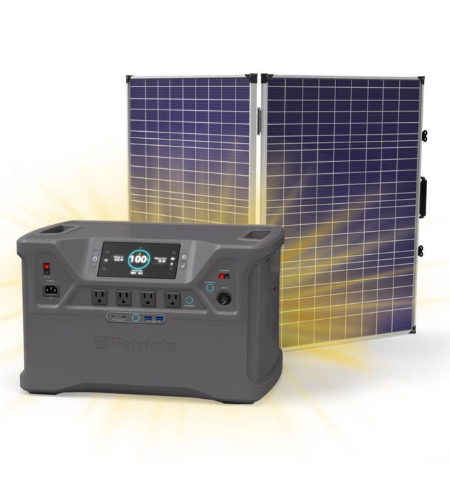
Some potential advantages include:
- No fuel storage: Battery-powered systems do not require gasoline or diesel.
- Quiet operation: They generally operate more quietly than conventional fuel generators.
- Flexible charging: Compatible models can recharge through wall outlets or solar panels.
- Portable designs: Smaller systems can be moved between rooms or taken outdoors.
- Multiple connections: Different output ports allow users to charge or operate compatible devices.
However, solar generators have limitations. Their stored energy is finite, and solar charging depends on sunlight, panel capacity, and weather conditions.
What to Look for When Choosing a Solar Generator
Before purchasing a portable solar generator, consider these important factors.
1. Battery Capacity
Battery capacity is measured in watt-hours (Wh). It indicates how much energy a generator can store.
For example, a 1,000Wh battery theoretically provides 1,000 watts for one hour. Actual operating time is usually lower because of conversion losses and other operating conditions.
Make a list of essential devices and estimate their daily energy consumption before selecting a battery size.
2. Power Output
Capacity and output are different. Capacity determines stored energy, while wattage determines how much power the generator can deliver at once.
Check both continuous and surge output. Appliances with motors, such as refrigerators, may require additional starting power.
3. Solar Charging Options
Check whether the generator supports compatible folding solar panels. Consider panel wattage, connection requirements, charging time, and whether additional panels can be connected.
Remember that cloudy conditions, shading, and panel positioning can affect charging performance.
4. Portability and Battery Technology
Weight and dimensions matter if you plan to move the generator frequently. Battery chemistry is another consideration. Lithium iron phosphate (LiFePO4) batteries are commonly used in modern portable power stations.
Also review the manufacturer’s battery cycle information, warranty, and recommended storage conditions.
How 4Patriots Fits the Solar Generator Market
4Patriots offers portable solar generators, solar panels, power banks, and expansion accessories. Its Patriot Power product range includes different capacity levels, allowing shoppers to compare systems for smaller electronics and more demanding backup requirements.
Rather than selecting a generator based only on its advertised power rating, compare its actual battery capacity, continuous output, available outlets, and charging options.
Popular 4Patriots Solar Generator Options
The company offers several models worth understanding before making a purchase.
Patriot Power Sidekick
The Patriot Power Sidekick is a compact option intended for smaller power requirements. Its lightweight design makes it relevant for charging personal electronics, powering small devices, and outdoor activities.
It may be worth considering if portability matters more than running larger household appliances.
Patriot Power Solar Generator 1200
The Patriot Power Solar Generator 1200 provides 1,030Wh of battery capacity and 1,200 watts of continuous output. Its product information also lists multiple outlets and a LiFePO4 battery.
This model may suit people who want more capacity for essential devices and selected household equipment. Actual operating time depends on the connected appliances and their power consumption.
Patriot Power Solar Generator 2200X
For households looking for a larger battery system, the Patriot Power Solar Generator 2200X offers 2,240Wh of capacity and 2,200 watts of continuous output.
Its listed features include multiple outlets, expandable battery capacity, and compatibility with solar panels. It is a larger and heavier option, so consider placement and portability before choosing it.
These specifications are based on the manufacturer’s product information and should be checked again before ordering. 4Patriots+2
How to Calculate Your Backup Power Needs
A simple calculation can help prevent purchasing a generator that is either too small or unnecessarily expensive.
Follow these steps:
- List the devices you want to operate.
- Check the wattage printed on each device.
- Estimate how many hours each device will run.
- Multiply watts by operating hours to estimate energy consumption.
- Add a reasonable allowance for conversion losses.
- Compare the total with the generator’s usable capacity.
For example, a 50-watt device operating for five hours consumes approximately 250Wh. If you plan to run several devices, calculate their combined requirements.
Always check whether the generator can handle their combined wattage and any startup surge.
Pricing, Accessories and Shopping Considerations
Solar generator prices vary according to battery capacity, output, included accessories, and available configurations.
Some 4Patriots products are offered as generator-only options, while others can be purchased with compatible solar panels. Compare both configurations carefully because the included accessories can affect the overall value.
Before ordering, review:
- Current product pricing and availability.
- Included charging cables and accessories.
- Solar panel compatibility.
- Shipping and delivery conditions.
- Warranty and return policies.
- Expansion battery availability.
Prices and promotions can change, so use the latest information displayed by 4Patriots when comparing products.
Pros and Cons of 4Patriots Solar Generators
Potential advantages:
- Multiple generator sizes for different power requirements.
- Solar charging compatibility.
- Portable options for outdoor and household use.
- Different battery capacities and output levels.
- Expansion options on selected models.
Points to consider:
- Larger-capacity models can require a higher budget.
- Solar charging depends on environmental conditions.
- Battery capacity limits operating time.
- Not every model can operate high-demand appliances.
- Additional panels and accessories may increase the total cost.
Frequently Asked Questions
Can a solar generator power an entire house?
Most portable solar generators are designed for selected devices and appliances rather than an entire household. Larger systems may support more equipment, depending on their capacity and output.
How long can a solar generator run a refrigerator?
Runtime depends on the refrigerator’s energy consumption, startup requirements, battery capacity, and operating conditions. Check the manufacturer’s estimates and your appliance specifications.
Can I use a solar generator indoors?
Battery-powered solar generators do not produce combustion exhaust during normal operation. However, always follow the manufacturer’s placement, ventilation, and safety instructions.
Do solar generators work on cloudy days?
Solar panels can still generate electricity in cloudy conditions, but charging performance generally decreases compared with direct sunlight.
Are solar generators worth considering for emergencies?
They can be useful for keeping selected devices and appliances running during outages. Their value depends on household requirements, budget, and expected backup duration.
Conclusion
Choosing a solar generator for home backup power starts with understanding your electricity requirements. Battery capacity, continuous output, charging flexibility, portability, and appliance compatibility all influence the right choice. 4Patriots offers several Patriot Power models with different capabilities, making it possible to compare options according to your needs. Take time to review the specifications and current product details before making a decision.