Table Of Content
- ✨ Discover Special Offers & Discounts
- 1. Understand the Different Types of Golf Clubs
- 2. Decide How Many Clubs You Need
- 3. Choose the Correct Club Length and Shaft Flex
- 4. Look for Forgiveness and Beginner-Friendly Features
- 5. Explore Stix Golf Club Sets
- 6. Compare Your Budget and Overall Value
- 7. Common Mistakes to Avoid When Buying First Golf Clubs
- 🎉 Memorial Day Deals & Exclusive Savings
- Frequently Asked Questions
- 1. What golf clubs should a beginner buy first?
- 2. Are 7 or 9 golf clubs enough for beginners?
- 3. Should beginners choose graphite or steel shafts?
- 4. Are complete golf club sets worth buying?
- 5. Is Stix Golf suitable for new golfers?
- Related Resources
- Conclusion
Starting golf is exciting, but choosing your first set of clubs can feel confusing. With different club types, shaft materials, sizes, and equipment packages available, beginners often struggle to understand what they actually need. The good news is that you do not need an expensive collection of professional equipment to enjoy your first rounds. The right beginner golf clubs should feel comfortable, suit your physical build, and make learning the game easier. Understanding the purpose of each club and comparing complete sets can help you make a more confident decision. Brands such as Stix Golf offer modern club packages designed for different experience levels, making them worth exploring when comparing your first golf set.
✨ Discover Special Offers & Discounts
1. Understand the Different Types of Golf Clubs
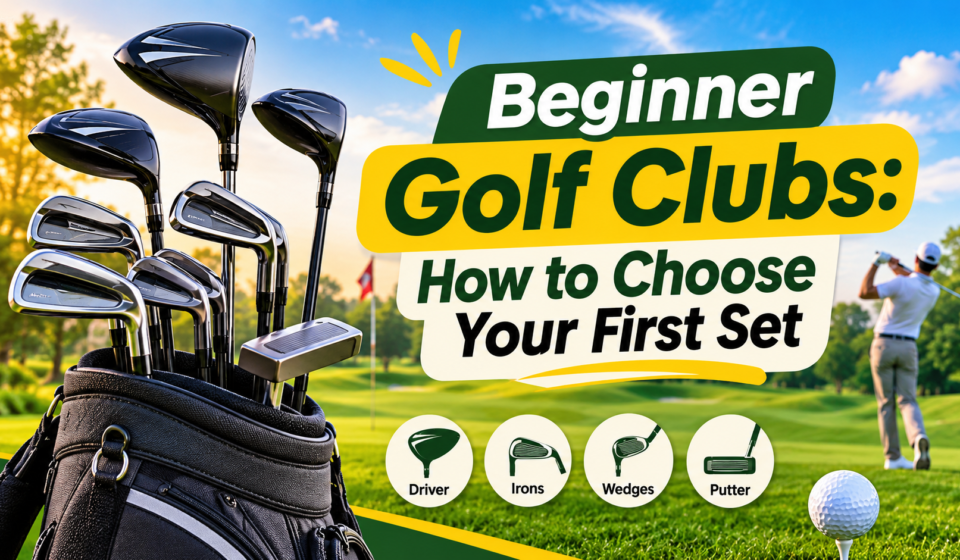
Before purchasing a set, learn what each club does. A typical golf bag contains several categories, each designed for different situations.
- Driver: Used primarily for long-distance shots from the tee. Beginners should look for a forgiving design that makes launching the ball easier.
- Fairway woods: Useful for longer shots from the fairway or tee when a driver is not suitable.
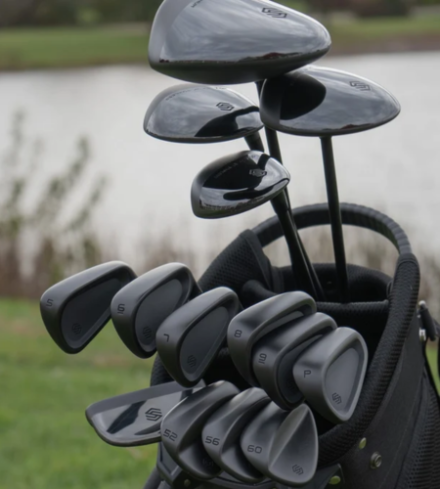
- Hybrids: Combine characteristics of woods and irons, offering a practical alternative to some longer irons.
- Irons: Used for approach shots and different distances. Mid-irons are particularly useful while learning consistent ball contact.
- Wedges: Help with shorter approach shots, bunker play, and shots around the green.
- Putter: Designed for rolling the ball into the hole on the putting green.
Understanding these categories helps you choose a balanced set instead of purchasing individual clubs without a clear purpose.
2. Decide How Many Clubs You Need
Golfers can carry up to 14 clubs during a round under standard competition rules, but beginners do not necessarily need that many.
A smaller collection can cover most basic situations while making club selection less complicated.
Consider these general options:
- 7–9 clubs: A practical starting point for casual golfers who want essential equipment.
- 10–11 clubs: A balanced option offering more flexibility for different distances.
- 12–14 clubs: A more complete selection for players who want additional shot options.
Your choice should depend on your budget, playing frequency, and interest in developing your skills. Starting with fewer clubs can also leave room to understand your preferences before investing in additional equipment.
3. Choose the Correct Club Length and Shaft Flex
Club fitting is important because equipment that does not suit your build or swing can make learning more difficult.
Club length: Your height and wrist-to-floor measurement can help determine whether standard, shorter, or longer clubs are appropriate. Avoid assuming that standard-length equipment will automatically fit everyone.

Shaft flex: This describes how much a shaft bends during a swing. Common options include regular, stiff, senior, and ladies flex. The appropriate choice depends on swing speed and individual characteristics rather than gender alone.
Shaft material: Graphite shafts are generally lighter, while steel shafts often provide a different feel and weight. Many complete sets combine both materials across different club types.
If possible, seek advice from a golf professional or club-fitting specialist before purchasing.
4. Look for Forgiveness and Beginner-Friendly Features
Beginners naturally make inconsistent contact while developing their swings. Therefore, forgiveness should be an important consideration.
Look for clubs with:
- Larger or more forgiving clubhead designs.
- Comfortable grips that provide secure handling.
- Manageable overall weight.
- Suitable lofts that help launch the ball.
- A practical combination of clubs for different distances.
Forgiving equipment may make mishits less punishing and help beginners develop confidence. However, clubs cannot replace regular practice or good instruction.
5. Explore Stix Golf Club Sets
Stix Golf is a direct-to-consumer golf equipment brand offering complete club sets, individual clubs, irons, wedges, and golf accessories.
Its collection includes options for beginners and more experienced recreational players. The brand emphasizes minimalist styling, practical club configurations, and accessible equipment packages.
One option worth considering is the Nicklaus Essentials 10 Club Set, which is presented as a starter-friendly package. Stix also offers different configurations, including 7-club, 12-club, and 14-club sets.
The number of clubs matters because a beginner may prefer a simpler setup, while someone planning to play regularly might appreciate additional options.
Before choosing, compare the available specifications, shaft flex, club length, handedness, and included accessories. These details are more important than selecting a set simply because it looks attractive.
6. Compare Your Budget and Overall Value
Your first golf set should fit your budget without sacrificing important equipment requirements.
Instead of comparing prices alone, consider what each package includes. A complete set with a golf bag and headcovers may offer convenience compared with purchasing every item separately.
Stix Golf’s Pakistan-facing store lists different club packages at different price points. Prices and availability can change, so check the current product listing before making a decision.
Also review the shipping information, return conditions, and warranty applicable to your selected product and delivery destination. International shipping terms may differ from domestic policies.
7. Common Mistakes to Avoid When Buying First Golf Clubs
New golfers can make several purchasing mistakes when they focus too much on appearance or brand reputation.
Avoid these common problems:
- Buying 14 clubs simply because a complete set sounds better.
- Choosing unsuitable shaft flex or club length.
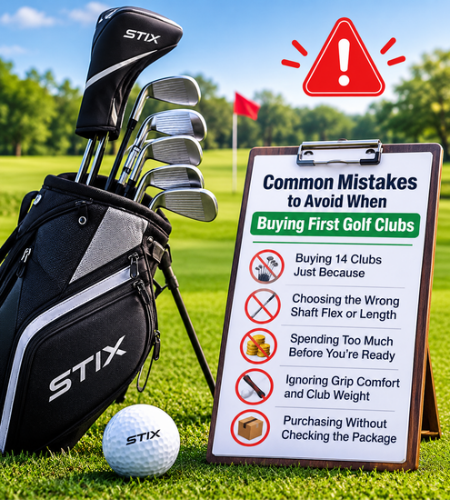
- Spending heavily on advanced equipment before understanding your needs.
- Ignoring grip comfort and club weight.
- Purchasing clubs without checking what the package includes.
A sensible first set should support your current ability while leaving room for improvement.
🎉 Memorial Day Deals & Exclusive Savings
Frequently Asked Questions
1. What golf clubs should a beginner buy first?
A driver or fairway wood, hybrid, a few irons, a wedge, and a putter provide a useful starting combination. A complete beginner set can simplify the process.
2. Are 7 or 9 golf clubs enough for beginners?
Yes. A smaller set can cover many common playing situations. You can add more clubs as your experience and needs develop.
3. Should beginners choose graphite or steel shafts?
Graphite shafts are generally lighter, while steel shafts have a different weight and feel. The right option depends on your swing characteristics and comfort.
4. Are complete golf club sets worth buying?
Complete sets can be convenient because they group essential clubs and sometimes include a bag and headcovers. Compare the specifications and total value before purchasing.
5. Is Stix Golf suitable for new golfers?
Stix offers several configurations and describes its clubs as suitable for different experience levels. Beginners should compare the individual set specifications to find an appropriate option.
Related Resources
For additional information about the brand, club configurations, equipment value, and buying considerations, explore the Stix Golf review published on Reviewness.
Conclusion
Choosing beginner golf clubs becomes easier when you understand the purpose of each club, select a suitable number of options, and pay attention to length, shaft flex, comfort, and forgiveness. You do not need the largest or most expensive set to start enjoying golf. Focus on equipment that matches your current needs and gives you room to develop your skills. Stix Golf offers several club configurations worth comparing when exploring your first set. Review the available options carefully and choose equipment that makes getting started with golf more comfortable and enjoyable.