Table Of Content
- Save More on Every Order – Grab the Latest Coupons & Deals
- Why Tracking Fitness Progress Matters
- Look Beyond Scale Weighterstand.
- How Hume Health Fits the Topic
- Top Ways to Track Workout Progress Smarter
- 1. Monitor Performance
- 2. Compare Trends, Not Single Results
- 3. Track Metrics Relevant to Your Goal
- 4. Keep Your Measurement Routine Consistent
- 5. Use Data as Feedback
- Key Features and Benefits
- Pricing, Shipping, and Customer Considerations
- Pros and Cons
- Save More on Every Order – Grab the Latest Coupons & Deals
- Frequently Asked Questions
- How can I tell if my workout is working?
- Is body weight enough to track fitness progress?
- How often should I measure my fitness progress?
- What is body composition tracking?
- Can a smart scale replace professional medical testing?
- Related Resources
- Conclusion
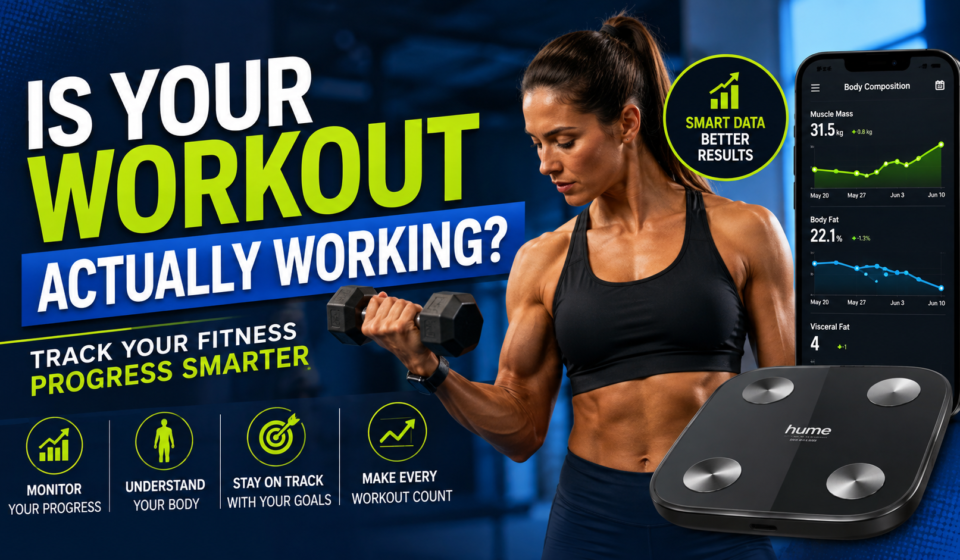
How do you know whether your training routine is actually producing results? Track fitness progress effectively, and you can look beyond a single number on the scale to understand how your body and performance are changing over time. Weight can fluctuate for many reasons, including hydration and normal day-to-day changes, so relying on it alone may not provide the complete picture.
A smarter approach combines consistent measurements, workout performance, progress trends, and relevant body data. This can help you identify what is improving and where your routine may need adjustment. For people who want more detailed at-home tracking, tools from Hume Health are designed to provide information beyond traditional scale weight.
Save More on Every Order – Grab the Latest Coupons & Deals
Why Tracking Fitness Progress Matters
A workout plan should be evaluated over time rather than judged after a few individual sessions. Meaningful progress can appear in several ways, including:
- Improved strength or workout performance
- Changes in body composition
- Better consistency with exercise habits
- Changes in body measurements
- Improved understanding of personal trends
The key is consistency. Measuring under similar conditions and comparing longer-term trends can be more useful than reacting to a single day’s result.
Look Beyond Scale Weighterstand.
Body weight can be useful, but it does not distinguish between different components of the body. This matters because a person’s weight may remain relatively stable while other changes occur.
For example, someone following a resistance-training program may want to monitor both muscle-related and fat-related trends rather than focusing entirely on pounds or kilograms.
Modern fitness trackers also provide many numbers, but more data is not always better. Choosing a smaller group of metrics that relates directly to your goals can make progress easier.
How Hume Health Fits the Topic
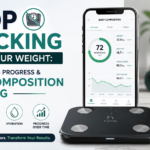
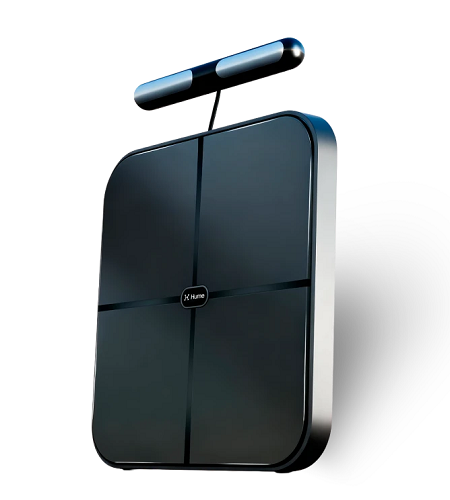
Hume Health offers the Hume Pod, an at-home body-composition tracking device designed to provide a broader view than a conventional scale. According to the company’s product information, the device tracks 45+ body-related metrics, including measurements related to muscle, body fat, visceral fat, body water, and other indicators.
The system uses multiple sensors and includes measurements intended to help users observe changes over time. Its app is designed to display trends, allowing users to compare results across weeks and months

That makes this type of device relevant for people asking a simple question: Is my workout routine actually working?
Top Ways to Track Workout Progress Smarter
1. Monitor Performance
Record relevant exercises, weights, repetitions, distance, pace, or training volume. Progress does not always happen in a straight line, but longer-term records can reveal meaningful changes.
2. Compare Trends, Not Single Results
One measurement rarely tells the whole story. Review patterns over several weeks rather than making major decisions based on one reading.
3. Track Metrics Relevant to Your Goal
Someone training for strength may prioritize performance. Someone focused on changing body composition may want additional measurements beyond body weight.
The Hume Pod is positioned as a tool for this broader approach, with body-composition data that can be reviewed over time.
4. Keep Your Measurement Routine Consistent
For more meaningful comparisons, measure under similar conditions whenever possible. Consistency can help reduce confusion caused by normal daily variation.
5. Use Data as Feedback
Data should support better decisions, not create unnecessary stress. If a trend does not match your expectations, consider reviewing your training consistency, recovery, nutrition, or goals.
Key Features and Benefits
Hume Health’s Hume Pod may be useful for people who want a more detailed view of their progress. The company states that the device can provide 45+ metrics through a scan that takes approximately 60 seconds and can track trends through its accompanying app.
Potential advantages include:
- Tracking changes beyond body weight
- Viewing longer-term trends
- Monitoring body-composition-related metrics
- Using an app to organize progress data
- Reviewing segmented body information
These features can be especially relevant for users who want to make their fitness tracking more structured.
Pricing, Shipping, and Customer Considerations
At the time of research, Hume Health’s official pages displayed the Hume Pod at a regular listed price of $352 and a displayed price of $229. Prices and promotions can change, so checking the official store before purchasing is recommended.
The company also states that the product includes app access and advertises shipping and a 45-day return policy on relevant product pages. Availability and regional shipping terms may vary.
Pros and Cons
Pros
- Tracks more information than basic body weight
- Designed for long-term trend monitoring
- Includes an accompanying app
- Provides body-composition-related data
Cons
- More expensive than a basic scale
- Measurements should be interpreted as trend information
- Product pricing and offers may change
Save More on Every Order – Grab the Latest Coupons & Deals
Frequently Asked Questions
How can I tell if my workout is working?
Track relevant performance and body trends consistently over time instead of relying on a single measurement.
Is body weight enough to track fitness progress?
Not always. Body weight can be useful, but it may not show every type of physical change.
How often should I measure my fitness progress?
The ideal schedule depends on your goal, but consistency and longer-term trend analysis are generally more useful than frequent reactions to individual readings.
What is body composition tracking?
It involves monitoring measurements related to different components of the body rather than looking only at total weight.
Can a smart scale replace professional medical testing?
No. Consumer tracking devices are not a substitute for professional medical evaluation or diagnosis.
Related Resources
For a closer look at the device, features, and broader tracking approach, explore this detailed Hume Health review covering its smart health tracker and body composition features.
Conclusion
The best way to determine whether your routine is moving in the right direction is to track fitness progress with context. Combine workout performance, consistent habits, and meaningful long-term trends instead of depending on one number.
For people interested in a more detailed approach to at-home body tracking, Hume Health offers tools designed to help users monitor changes beyond traditional scale weight. Consider whether the available metrics match your personal goals before deciding which tracking method works best for you.