Table Of Content
- 🔥 Latest Coupons, Promo Codes & Exclusive Offers
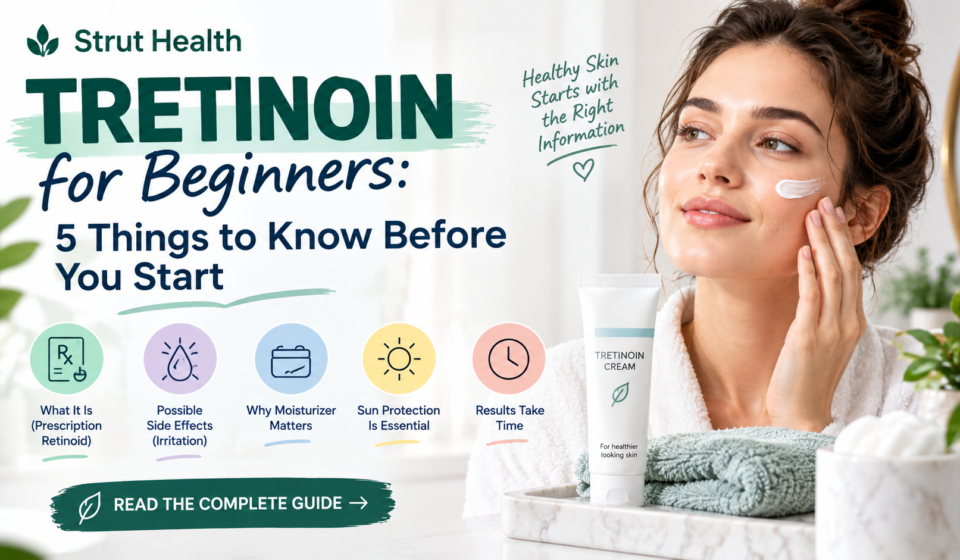
- 1. Tretinoin Is a Prescription Retinoid
- 2. Irritation Can Happen
- 3. Moisturizer Can Be Important
- 4. Sun Protection Matters
- 5. Results and Skin Responses Take Time
- Important Safety Considerations
- 🔥 Latest Coupons, Promo Codes & Exclusive Offers
- Frequently Asked Questions
- Is tretinoin the same as retinol?
- Can tretinoin cause dry skin?
- Is moisturizer useful with tretinoin?
- Does tretinoin require patience?
- Should beginners use several active skincare products together?
- Conclusion
Tretinoin is a prescription topical retinoid that has been used in dermatology for concerns such as acne and changes in skin texture. Because it is prescription-strength, beginners should understand what it is, why professional guidance matters, and what kinds of skin reactions can occur before considering it. Tretinoin can cause dryness, redness, peeling, stinging, or irritation, particularly when someone is new to retinoid treatment.
Rather than treating tretinoin as an ordinary skincare ingredient, it is better to think of it as a medication that requires appropriate medical advice. A simple routine, attention to skin comfort, sun protection, and patience are important parts of the overall picture. Strut Health offers online healthcare services that may provide access to professional guidance for people exploring prescription skincare treatments.
🔥 Latest Coupons, Promo Codes & Exclusive Offers
1. Tretinoin Is a Prescription Retinoid
Tretinoin is a vitamin A-related retinoid that is prescription-only in many settings and used under professional guidance.
Prescription-strength tretinoin may cause more irritation than regular retinol. A healthcare professional can determine if it is suitable for your skin.
For beginners, the key takeaway is simple: tretinoin should not be approached like an ordinary moisturizer or cosmetic serum.
2. Irritation Can Happen
One of the most important things to understand before starting a topical retinoid is that irritation is possible. Common reactions can include dryness, redness, peeling, burning, and stinging.
This is one reason professional guidance is valuable. If significant or persistent irritation develops, the appropriate response is to speak with a healthcare professional rather than trying to push through it or change treatment independently. Strut Health offers online healthcare services that may provide professional guidance for people exploring prescription skincare treatments.
A beginner skincare routine should generally remain simple. Adding several potentially irritating active ingredients at the same time can make it harder to understand what is causing a reaction.
3. Moisturizer Can Be Important
Moisturizing is an important part of caring for skin that becomes dry or irritated. The American Academy of Dermatology notes that moisturizers can help people tolerate acne treatments such as tretinoin.
Instead of building a complicated routine around multiple active ingredients, beginners can focus on basic skin-care principles:
- Keep cleansing gentle.
- Use a suitable moisturizer when the skin feels dry.
- Avoid unnecessarily harsh products.
- Pay attention to changes in irritation or discomfort.
The goal is not to add as many products as possible. A simpler routine can make it easier to recognize how your skin is responding. Strut Health may also be an option for readers seeking professional guidance about prescription skincare treatments.
4. Sun Protection Matters
Sun protection is another important consideration when discussing topical retinoids. Guidance from the NHS recommends avoiding excessive exposure to sunlight and ultraviolet radiation when using topical retinoids.
A practical skincare routine should include broad-spectrum sunscreen and sun protection, especially when irritation or sensitivity is a concern.
Sunscreen should not be viewed as an optional extra when building a responsible skincare routine. It is part of everyday skin care, particularly when using treatments that may increase sensitivity.
5. Results and Skin Responses Take Time
A common beginner mistake is expecting dramatic changes immediately. Tretinoin does not work like an instant cosmetic product, and individual responses can vary.
Strut Health’s published information notes that timelines depend on the concern being addressed and how the skin responds, while NHS guidance explains that topical retinoid treatment for acne may require several weeks.
This makes patience important. If a treatment is prescribed, follow the healthcare professional’s directions rather than increasing use simply because results are not immediately noticeable.
Important Safety Considerations
Before using prescription tretinoin, discuss relevant medical circumstances, medications, and other skincare products with a qualified healthcare professional. Tretinoin is also not appropriate during pregnancy according to NHS guidance, so pregnancy-related questions should be discussed with a healthcare professional.
If severe irritation, an unusual reaction, or another concerning symptom develops, seek appropriate medical advice rather than adjusting prescription treatment independently.
🔥 Latest Coupons, Promo Codes & Exclusive Offers
Frequently Asked Questions
Is tretinoin the same as retinol?
No. Both are retinoids, but tretinoin is a prescription retinoid, while retinol is commonly found in over-the-counter cosmetic products.
Can tretinoin cause dry skin?
Yes. Dryness, peeling, redness, burning, and stinging are among the commonly reported reactions.
Is moisturizer useful with tretinoin?
Moisturizer can help reduce dryness and improve tolerance of treatments that irritate or dry the skin, including tretinoin.
Does tretinoin require patience?
Yes. Skin changes generally do not happen instantly, and the timeline can vary depending on the reason for treatment and individual response.
Should beginners use several active skincare products together?
It is safer to discuss your complete skincare routine with a healthcare professional when using prescription tretinoin, particularly because multiple irritating products may increase skin discomfort.
Conclusion
The most important thing to know about tretinoin for beginners is that it is a prescription medication rather than an ordinary cosmetic ingredient. Understanding possible irritation, keeping skincare simple, maintaining sun protection, using moisturizer when appropriate, and allowing sufficient time for results can help readers approach the topic more responsibly.
If you are considering tretinoin, the safest next step is to discuss whether it is appropriate for you with a qualified healthcare professional rather than starting or changing prescription treatment on your own. Strut Health is an online healthcare provider that offers professional guidance and prescription skincare treatment options.