Table Of Content
- Save More on Every Order – Grab the Latest Coupons & Deals
- Why Not All Smoothies Are Equally Balanced
- How to Build a More Balanced Smoothie
- 1. Choose Whole Fruits
- 2. Add a Source of Fiber
- 3. Include Protein
- 4. Consider Healthy Fats
- 5. Watch Added Sugars
- An Easy Gut-Friendly Berry Smoothie
- Common Smoothie Mistakes to Avoid
- How Viome Fits Into Personalized Nutrition
- Pros and Cons of Personalized Testing
- Save More on Every Order – Grab the Latest Coupons & Deals
- Frequently Asked Questions
- Are smoothies good for gut health?
- What is the best fruit for a gut-friendly smoothie?
- Should I add yogurt to my smoothie?
- Are smoothies with no added sugar healthier?
- Do I need a gut health test to choose smoothie ingredients?
- Conclusion
Smoothies can be a convenient way to enjoy fruit, vegetables, and other nutritious ingredients, but not every smoothie offers the same nutritional balance. Some recipes contain large amounts of fruit juice, added sweeteners, or oversized portions, while others combine fiber, protein, and healthy fats to create a more satisfying drink. If you are looking for gut-friendly smoothie tips, the goal is not to label every ingredient as good or bad. Instead, focus on variety, balanced portions, and ingredients that suit your individual needs.
A thoughtful smoothie can complement a balanced diet without replacing every meal or promising dramatic health results. In this guide, you will learn how to build a more balanced blend, choose ingredients wisely, and explore how Viome’s personalized wellness offerings may fit into your broader nutrition routine.
Save More on Every Order – Grab the Latest Coupons & Deals
Why Not All Smoothies Are Equally Balanced
A smoothie made with whole fruit, plain yogurt, oats, and seeds differs nutritionally from one made mostly with juice and sweetened syrups. Both may taste delicious, but their fiber, protein, added sugar, and calorie content can vary considerably.
Blending whole fruit generally retains its fiber, although the physical structure changes and the drink may be consumed more quickly than whole fruit. Smoothies can also become less balanced when portions grow too large or several sweet ingredients are combined.

For everyday wellness, prioritize nutrient variety rather than searching for a supposedly perfect gut-health recipe.
How to Build a More Balanced Smoothie
A balanced smoothie does not need a long ingredient list. Start with a few complementary ingredients and adjust the recipe to your taste, appetite, and dietary needs.
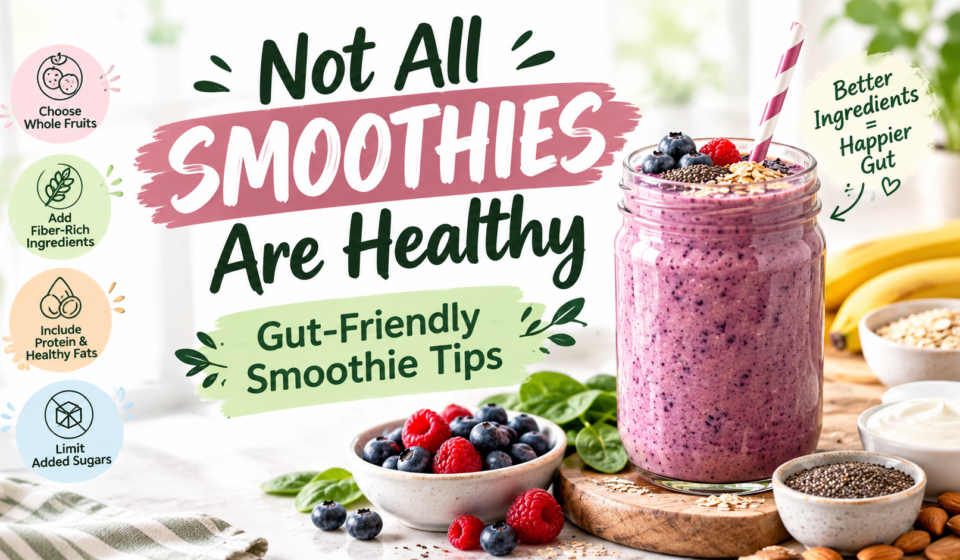
1. Choose Whole Fruits
Berries, apples, pears, and bananas can add flavor, nutrients, and fiber. Frozen fruit is a convenient option, too. Use whole fruit instead of relying entirely on juice, which typically contains less fiber per serving.
2. Add a Source of Fiber
Oats, chia seeds, ground flaxseed, and certain vegetables can increase a smoothie’s fiber content. Fiber supports normal digestion, but adding too much too quickly may cause gas or bloating. Increase your intake gradually and drink enough fluids.
3. Include Protein
Plain Greek yogurt, unsweetened soy milk, or suitable protein-rich alternatives can make a smoothie more satisfying. Choose an option that fits your dietary preferences and tolerance.
4. Consider Healthy Fats
A small portion of nut butter, chia seeds, or avocado adds texture and unsaturated fats. These ingredients also make your smoothie more substantial.
5. Watch Added Sugars
Flavored yogurt, sweetened plant milks, syrups, and juice concentrates can add sugar quickly. Check labels and taste your smoothie before adding extra sweeteners. Ripe fruit may provide enough sweetness on its own.
An Easy Gut-Friendly Berry Smoothie
What would you like me to do with this recipe?
- SEO rewrite for your blog
- Add preparation instructions and serving tips
- Find an official-store product image that matches the paragraph
- Rewrite in a natural, reader-friendly style
- Suggest a suitable blog category (Food, Health, or Lifestyle)
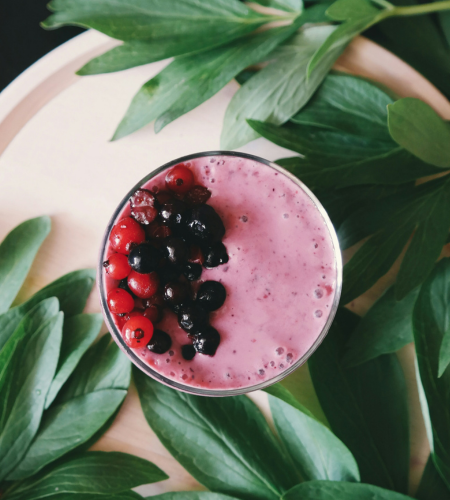
Method: Blend everything until smooth. Add more liquid if needed, then taste before adjusting the ingredients.
You can swap berries for another fruit, use suitable dairy-free alternatives, or leave out ingredients that do not agree with you. This recipe is a starting point, not a treatment for digestive symptoms.
Common Smoothie Mistakes to Avoid
Even nutritious ingredients can become less suitable when combined without considering portions or personal tolerance.
- Using juice as the main liquid: Try water, unsweetened milk, or an appropriate alternative instead.
- Adding too many ingredients: A shorter recipe makes portions and ingredients easier to manage.
- Ignoring serving size: A large smoothie can contain considerably more energy and sugar than expected.
- Assuming every probiotic ingredient works for everyone: Yogurt and kefir may suit some people, but tolerance varies.
- Changing fiber intake too quickly: Gradual changes can help reduce temporary digestive discomfort.
If particular foods consistently cause symptoms, keep a food diary and discuss persistent concerns with a qualified healthcare professional.
How Viome Fits Into Personalized Nutrition
Viome offers at-home microbiome testing and personalized nutrition recommendations. Its Gut Intelligence™ Test is designed to provide gut-related health scores and personalized food and wellness recommendations based on its testing process.
This may interest people who want another source of information when exploring their food choices. However, a microbiome test is not required to make a balanced smoothie, and its recommendations should not be treated as a diagnosis or a guaranteed solution to digestive problems.
Before choosing a test or related supplements, review the current product details, limitations, price, and availability on Viome’s official website. Consider whether personalized testing offers value for your particular goals and budget.
Pros and Cons of Personalized Testing
Potential advantages
- May offer structured, personalized food recommendations.
- Can provide information to explore alongside everyday nutrition habits.
- May help some users organize their wellness goals.
Things to consider
- Testing and personalized products can involve additional costs.
- Results require careful interpretation.
- Recommendations do not replace medical evaluation or individualized dietary advice from a qualified professional.
Save More on Every Order – Grab the Latest Coupons & Deals
Frequently Asked Questions
Are smoothies good for gut health?
They can contribute fruit, fiber, and other nutrients to a balanced diet. Their nutritional value depends on ingredients, portions, and individual tolerance.
What is the best fruit for a gut-friendly smoothie?
Berries, pears, and apples provide fiber. The best choice depends on your preferences, dietary needs, and how well you tolerate each fruit.
Should I add yogurt to my smoothie?
Plain yogurt can provide protein, and varieties containing live cultures may provide beneficial microorganisms. Choose an option that suits your dietary needs.
Are smoothies with no added sugar healthier?
Avoiding added sugar can be helpful, but total nutrition matters too. Consider fiber, protein, ingredients, portion size, and your overall eating pattern.
Do I need a gut health test to choose smoothie ingredients?
No. You can begin with a varied diet and observe your personal tolerance. Testing is optional and should be evaluated in light of its evidence, limitations, and cost.
Conclusion
Not all smoothies are equally balanced, but you do not need complicated recipes to make thoughtful choices. Combine whole fruit, fiber-rich ingredients, protein, and suitable fats while limiting unnecessary added sugars and keeping portions in mind.
These gut-friendly smoothie tips offer a practical starting point for everyday nutrition. If you want to explore personalized recommendations, visit Viome’s official website and evaluate its offerings alongside the simple habits that form the foundation of a balanced diet.