Table Of Content
- Save More on Every Order – Grab the Latest Coupons & Deals
- Why Understanding Golf Clubs Matters
- Driver vs Iron vs Wedge vs Putter: Key Differences
- 1. Driver: For Long Tee Shots
- 2. Irons: For Controlled Distance and Approach Shots
- 3. Wedges: For Short Shots and Higher Launches
- 4. Putter: For Rolling the Ball Into the Hole
- How to Choose the Right Golf Club
- How Stix Golf Fits Your Equipment Needs
- Pros and Cons of Buying a Complete Golf Set
- Save More on Every Order – Grab the Latest Coupons & Deals
- Frequently Asked Questions
- 1. What is the main difference between a driver and an iron?
- 2. When should you use a wedge instead of an iron?
- 3. Can beginners use a driver?
- 4. Can you use a putter off the green?
- 5. How many golf clubs does a beginner need?
- 6. Is it better to buy individual clubs or a complete set?
- Conclusion
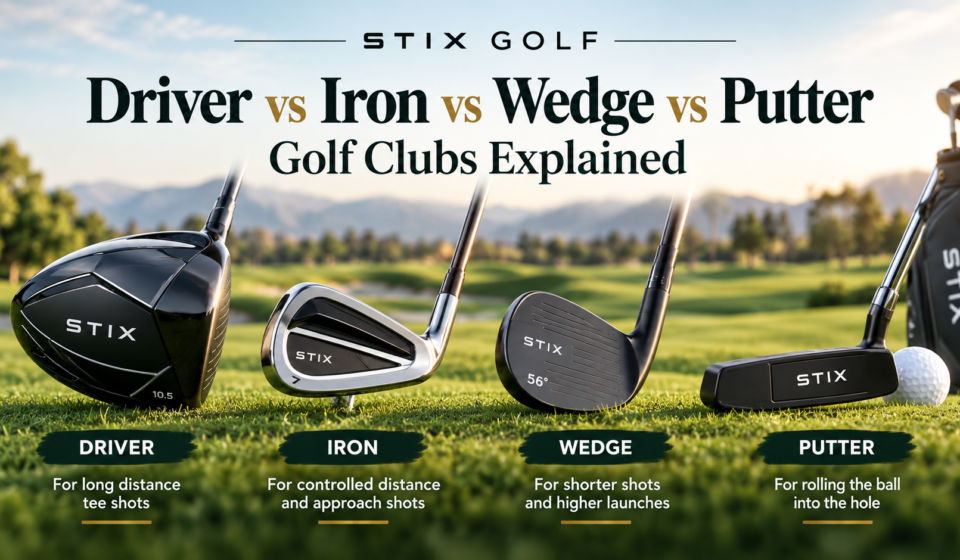
Choosing the right golf club can make a round of golf easier to understand, especially when you are still learning the game. Each club has a different purpose, and knowing when to use it helps you plan your shots more effectively. Understanding the difference between a golf driver vs iron vs wedge vs putter is a useful starting point for beginners who want to improve their club selection without feeling overwhelmed by equipment choices.
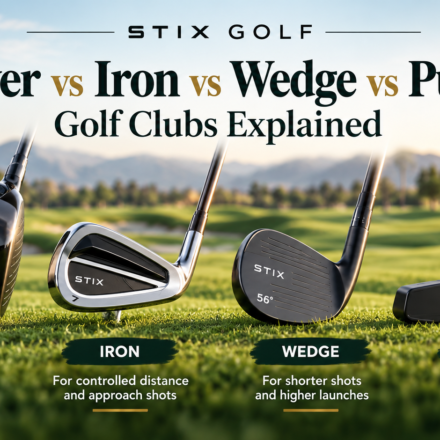
A driver is generally used for long tee shots, irons help with approach shots and controlled distances, wedges are designed for short and higher-lofted shots, and putters help roll the ball toward the hole on the green. Once you understand these basic roles, you can make more informed equipment decisions. Stix Golf offers complete golf sets and individual club categories, giving golfers options to explore as they learn what suits their game.
Save More on Every Order – Grab the Latest Coupons & Deals
Why Understanding Golf Clubs Matters
Golf requires different shots, from long tee shots to short approaches and bunker escapes. Different clubs are designed for specific tasks based on their head design, shaft length, and loft. Loft affects ball launch: drivers generally have lower loft for longer shots, while wedges have higher loft for shorter, higher shots.
Learning these differences can help you choose clubs based on the situation instead of simply selecting the longest club available.
Driver vs Iron vs Wedge vs Putter: Key Differences
1. Driver: For Long Tee Shots
The driver is typically the longest club in a golfer’s bag and has a large clubhead. Its primary purpose is to help you cover substantial distance from the tee, particularly on longer holes.
When to use a driver:
- Starting a hole where a long tee shot is appropriate.
- Playing a par-four or par-five hole.
- Taking advantage of a suitable landing area on the fairway.
Drivers are commonly designed with lower lofts than irons and wedges. Because of their length, they can take practice to control consistently. Beginners may also find that a fairway wood or hybrid is easier to manage in certain situations.
When choosing a driver, consider its loft, shaft flex, overall feel, and how comfortably you can swing it.
2. Irons: For Controlled Distance and Approach Shots
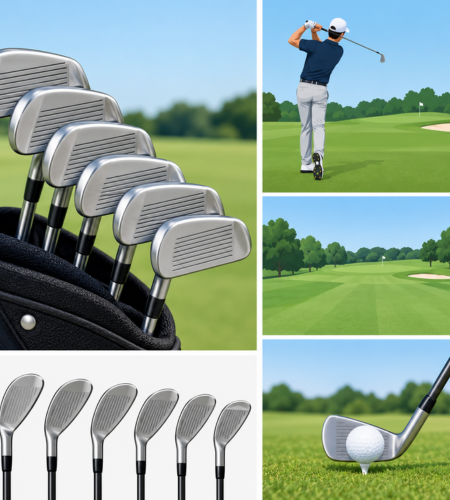
Irons are versatile clubs used for a wide range of shots. They are commonly played from the fairway, rough, and tee on some shorter holes. Golfers often use them to move the ball toward the green with a combination of distance and control.
Different iron numbers correspond to different lofts and typical distances. Lower-numbered irons generally travel farther when struck well, while higher-numbered irons tend to launch the ball higher and cover shorter distances.
When to use irons:
- Hitting approach shots toward the green.
- Playing from the fairway when the distance suits the club.
- Making controlled tee shots on shorter holes.
For beginners, mid-irons such as a 7-iron can be useful practice clubs because they offer a practical introduction to full swings. Stix Golf provides iron sets in different configurations, allowing golfers to compare available options when assembling their equipment.
3. Wedges: For Short Shots and Higher Launches
Wedges are specialized clubs designed for shorter distances, higher trajectories, and shots that require precision around the green. Their higher loft helps lift the ball, making them useful when you need to clear an obstacle or approach the hole from a short distance.
Common wedge types include pitching wedges, gap wedges, sand wedges, and lob wedges. Their exact uses overlap, depending on loft, playing conditions, and the golfer’s technique.
When to use wedges:
- Playing short approach shots near the green.
- Getting the ball out of a greenside bunker with an appropriate sand wedge.
- Chipping or pitching when a higher trajectory is useful.
- Making controlled shots when a full iron swing would send the ball too far.
Wedge selection depends on the distances you need to cover and the lofts already included in your set. Stix Golf offers wedge options that golfers can consider when building a more complete club selection.
4. Putter: For Rolling the Ball Into the Hole
The putter is primarily designed for shots on the putting green, where the goal is to roll the ball toward the hole rather than launch it into the air.
Putting relies on direction, pace, and distance control. Even a short putt requires a consistent stroke and a good understanding of the green’s slope and speed.
When to use a putter:
- Rolling the ball toward the hole on the green.
- Controlling pace on long putts.
- Attempting short finishing putts.
Some golfers also putt from just off the green when the ground is suitable. Blade and mallet putters offer different head shapes and alignment features, so choosing one often comes down to comfort, visual preference, and stroke consistency.
How to Choose the Right Golf Club
Selecting the right club involves more than knowing its name. Before taking a shot, consider these factors:
- Distance: Estimate how far the ball needs to travel and compare that with your usual distances for each club.
- Lie: Consider whether the ball is on a tee, fairway, rough, sand, or closely mown grass.
- Height: Decide whether you need a lower shot, a higher approach, or a ball that rolls along the ground.
- Obstacles: Trees, bunkers, water, and the shape of the green may affect your choice.
- Confidence: Choose a club you can control rather than automatically reaching for the one that promises the most distance.
Your actual distances will depend on swing speed, contact quality, weather, and course conditions. Practising with each club helps you understand its typical performance.
How Stix Golf Fits Your Equipment Needs
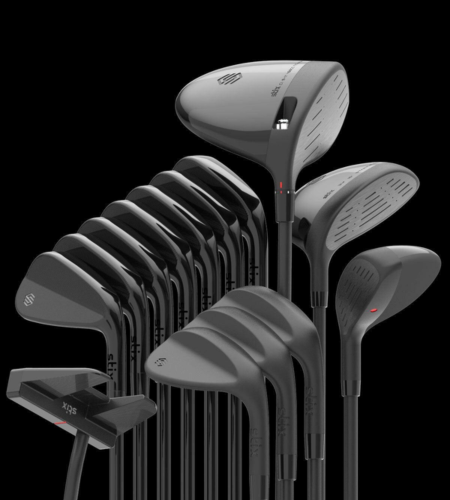
Stix Golf offers golf equipment for players who want to explore modern club designs and different set configurations. Its product range includes complete golf sets, drivers and woods, irons, wedges, individual clubs, and golf accessories.
The Stix Perform 12 Club Set includes a driver, fairway wood, hybrid, irons, wedges, putter, bag, and headcovers, offering clubs for various situations on the course.
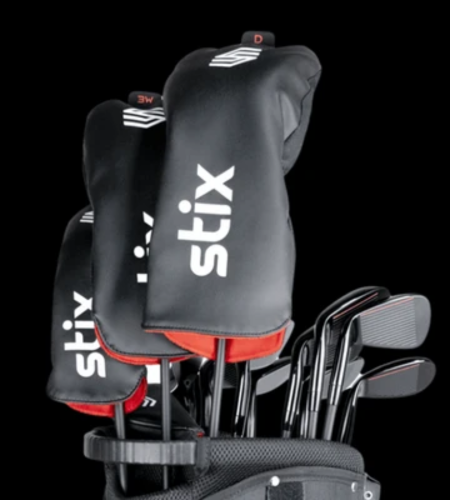
A complete set can be convenient if you are starting from scratch, while individual clubs may be more appropriate if you already have equipment and want to fill a specific gap.
Before choosing a set, review its included clubs, available shaft materials, flex options, sizing, and current price. Product configurations and availability can change, so confirm the details before purchasing.
Pros and Cons of Buying a Complete Golf Set
Pros
- Provides several club types for different playing situations.
- Simplifies equipment selection for beginners.
- Can offer a coordinated setup without purchasing every club separately.
- Makes it easier to identify which clubs you use most often.
Cons
- The included club configuration may not match every golfer’s needs.
- Some clubs may require more practice than others.
- Individual preferences for shaft flex, length, and clubhead design can vary.
- A complete set may cost more initially than adding a few essential clubs.
The best option depends on your experience, budget, playing frequency, and existing equipment.
Save More on Every Order – Grab the Latest Coupons & Deals
Frequently Asked Questions
1. What is the main difference between a driver and an iron?
A driver is mainly designed for long tee shots, while irons are used for approach shots and a variety of controlled-distance shots from different areas of the course.
2. When should you use a wedge instead of an iron?
Use a wedge when a shorter, higher shot is appropriate, such as a pitch near the green or a shot from a bunker. An iron is generally more suitable when you need a longer approach shot.
3. Can beginners use a driver?
Yes. Beginners can use a driver, although its longer shaft can make consistent contact challenging. Practising with a driver and learning to control the swing can help build confidence.
4. Can you use a putter off the green?
Yes. If the ground between the ball and the green is relatively smooth and unobstructed, putting from just off the green can be a practical option.
5. How many golf clubs does a beginner need?
Golfers may carry up to 14 clubs during a round under the Rules of Golf. Beginners do not necessarily need all 14 immediately. A smaller selection covering long shots, approach shots, short-game situations, and putting can be a sensible starting point.
6. Is it better to buy individual clubs or a complete set?
A complete set can be convenient when you need several clubs at once. Buying individual clubs may make more sense when your current set already covers most situations. Compare the total cost, club selection, fit, and your playing needs before deciding.
Conclusion
Understanding driver vs iron vs wedge vs putter makes golf equipment easier to navigate. Drivers help cover long distances from the tee, irons provide versatility for approach shots, wedges handle many short-game situations, and putters are designed to roll the ball toward the hole.
Rather than focusing on having the largest collection of clubs, concentrate on learning what each club does and practising the shots you encounter most often. When you are ready to review your equipment, Stix Golf offers complete sets and individual club categories worth exploring. Compare the available configurations and choose equipment that fits your experience, budget, and playing style.