Table Of Content
- Save More on Every Order – Grab the Latest Coupons & Deals
- 5 Golf Club Buying Mistakes to Avoid
- 1. Buying Golf Clubs Based on Looks Alone
- 2. Ignoring Shaft Flex
- 3. Choosing the Wrong Club Length
- 4. Paying for Clubs You Will Rarely Use
- 5. Skipping Golf Club Set Comparisons
- How Stix Golf Fits Your Buying Decision
- What to Check Before Buying
- Save More on Every Order – Grab the Latest Coupons & Deals
- Frequently Asked Questions
- How many golf clubs does a beginner need?
- What shaft flex is best for beginner golfers?
- Does golf club length really matter?
- Are complete golf club sets worth buying?
- Where can beginners compare Stix Golf sets?
- Conclusion
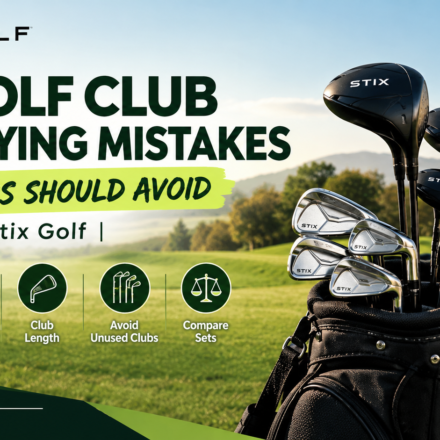
Buying your first golf club set is an exciting step, but choosing the wrong equipment can make learning the game more frustrating and expensive than necessary. Many beginners focus on appearance, brand names, or the number of clubs included without considering how well the equipment matches their height, swing speed, and playing needs. Understanding common golf club buying mistakes can help you make a more informed decision and avoid spending money on features you may not need.
Before choosing a set, consider how you plan to play, which clubs you will actually use, and what feels comfortable in your hands. Stix Golf offers complete golf club sets and individual equipment, with options that let buyers select specifications such as shaft flex, material, and club length. A little research before purchasing can help you find equipment that suits your current abilities and supports your development as a golfer.
Save More on Every Order – Grab the Latest Coupons & Deals
5 Golf Club Buying Mistakes to Avoid
1. Buying Golf Clubs Based on Looks Alone
Stylish clubheads, attractive finishes, and coordinated golf bags can make a set appealing. However, appearance should not be your main purchasing consideration.
Golf clubs differ in forgiveness, feel, loft, shaft characteristics, and intended use. Beginners generally benefit from equipment that is easier to use consistently rather than clubs selected purely for appearance or professional-player appeal.
How to avoid it: Compare the club specifications, intended player level, available fitting options, and overall set composition. Choose a design you like, but prioritize comfort and suitability.
2. Ignoring Shaft Flex
Shaft flex describes how much a golf shaft bends during a swing. Options commonly include regular, stiff, and extra-stiff, although availability varies by set. Choosing a shaft simply because it sounds advanced can be a costly mistake.
Your swing speed, tempo, and ability to control the club are more relevant than your experience level alone. A shaft that does not suit your swing may make consistent contact and predictable ball flight more difficult.
How to avoid it: Review the manufacturer’s fitting guidance and consider a professional fitting if possible. Stix Golf provides a fit guide with general recommendations based on driving distance and swing characteristics. Treat these recommendations as starting points rather than guaranteed results.
3. Choosing the Wrong Club Length
Club length affects posture, setup, and how comfortably you can address the ball. Clubs that are too long or too short for your build may encourage awkward positioning and make consistent swings harder to develop.
Many beginners assume standard-length clubs will automatically fit them. However, height and the distance from your wrists to the floor can help determine whether standard or adjusted lengths deserve consideration.
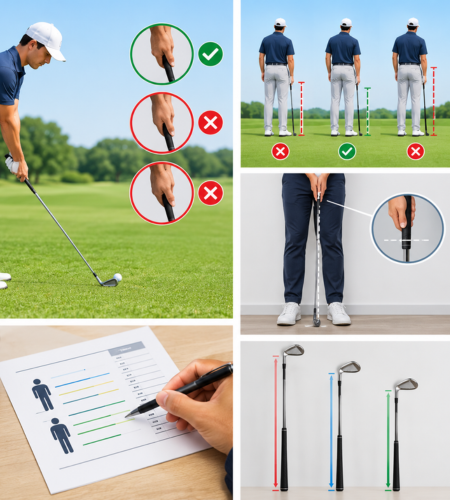
How to avoid it: Check the manufacturer’s size chart before ordering. Stix Golf offers length choices on selected sets, including standard, short, and tall configurations. Confirm the available options for your chosen model and measure carefully before purchasing.
4. Paying for Clubs You Will Rarely Use
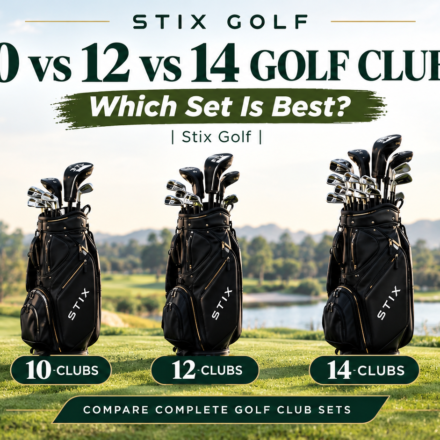
A larger golf club set may appear to offer better value, but more clubs do not automatically mean a better beginner experience. Carrying extra equipment can increase cost and make club selection more complicated while you are still learning basic shots.
You should have the tools to handle different situations, but you do not necessarily need every possible club immediately.
How to avoid it: Start by identifying the essentials for your playing style, such as a driver, a hybrid or fairway wood, suitable irons, a wedge, and a putter. Compare smaller and larger sets based on their actual contents. Stix Golf offers different set sizes, including a seven-club Sunday Carry option and larger complete sets, so you can compare what each configuration provides.
5. Skipping Golf Club Set Comparisons
Choosing the first attractive set you find can lead to missed alternatives. Two sets with similar appearances may differ in club selection, shaft materials, adjustability, bag inclusion, warranty terms, and total price.
Availability also matters. A configuration that looks suitable may be temporarily out of stock, particularly when you need a specific length, shaft flex, or hand orientation.
How to avoid it: Compare at least two or three suitable options. Check the complete specifications, included accessories, current price, delivery terms, return policy, and warranty before deciding.
How Stix Golf Fits Your Buying Decision
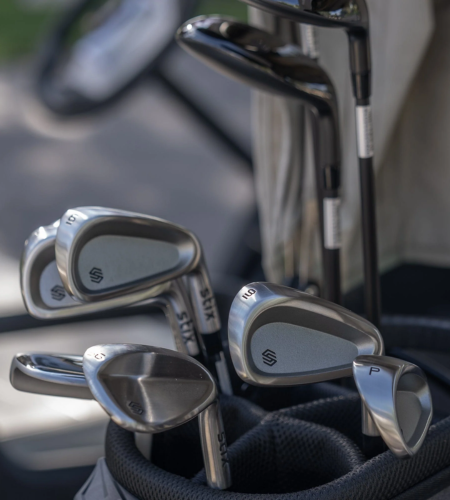
Stix Golf offers complete sets and individual clubs, with product options designed around different equipment needs. Its catalog includes Perform and Compete sets, irons, wedges, drivers, and other golf equipment.
The Perform 12 Club Set includes a driver, woods, hybrid, irons, wedges, and putter. Check the product page for exact club configurations, shaft materials, flex options, and available lengths.
What to Check Before Buying
Use this checklist before purchasing your first set:
- Fit: Confirm the appropriate shaft flex and club length.
- Club selection: Make sure the set covers the shots you expect to play.
- Materials: Compare graphite and steel shafts according to your preferences and needs.
- Budget: Set a realistic spending limit and account for any additional equipment.
- Policies: Review shipping, returns, and warranty terms for your chosen product.
- Availability: Verify that your preferred specifications are in stock.
These checks can help you compare equipment on practical value instead of relying on appearance or club count alone.
Save More on Every Order – Grab the Latest Coupons & Deals
Frequently Asked Questions
How many golf clubs does a beginner need?
A beginner can learn with a smaller selection of well-chosen clubs. The right number depends on budget, playing goals, and the types of shots you need to practice. A larger set is not automatically necessary.
What shaft flex is best for beginner golfers?
There is no single flex that suits every beginner. Swing speed, tempo, and control matter more than experience alone. Use the manufacturer’s fitting guide or consult a qualified fitter when uncertain.
Does golf club length really matter?
Yes. Suitable club length can help you maintain a comfortable setup and posture. Check sizing guidance and consider your height and wrist-to-floor measurement before choosing.
Are complete golf club sets worth buying?
Complete sets can be convenient because they combine several clubs into one purchase. Compare the included clubs, fit options, materials, price, and warranty to determine whether a particular set offers good value for you.
Where can beginners compare Stix Golf sets?
Visit the official Stix Golf store to review its available sets and individual clubs. Check current pricing, stock, product specifications, and purchasing policies before ordering.
Conclusion
Avoiding these five golf club buying mistakes can help you make a more confident first purchase. Focus on fit rather than appearance, choose an appropriate shaft flex, check club length, avoid paying for unnecessary equipment, and compare complete sets carefully.
Stix Golf provides a range of equipment options worth exploring as you evaluate your needs and budget. Review the specifications and current availability of each set before making your final choice. The goal is not to own the most clubs; it is to choose equipment that fits your game and helps you enjoy learning golf.