Table Of Content
- Save More on Every Order – Grab the Latest Coupons & Deals
- Why Your Hot Tub Cover Matters
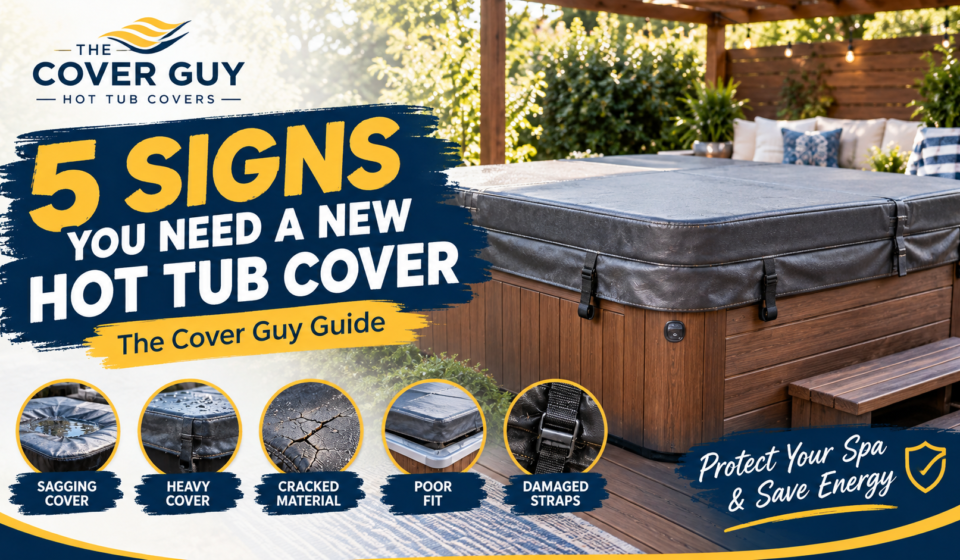
- 5 Signs You Need a New Hot Tub Cover
- 1. Your Cover Is Sagging or Collecting Water
- 2. The Cover Has Become Unusually Heavy
- 3. The Vinyl Is Cracked, Torn, or Peeling
- 4. Your Cover No Longer Fits Properly
- 5. The Straps, Buckles, or Hinges Are Damaged
- How The Cover Guy Fits Your Replacement Need
- Pros and Cons of Replacing Your Cover
- Save More on Every Order – Grab the Latest Coupons & Deals
- Frequently Asked Questions
- How often should a hot tub cover be replaced?
- Can a sagging hot tub cover be repaired?
- Does a heavy hot tub cover mean it is waterlogged?
- Can a damaged cover increase energy costs?
- How do I choose the right replacement cover?
- Conclusion
A hot tub should be a place to relax, not a reason to worry about rising energy bills, escaping heat, or expensive maintenance. However, an aging spa cover can gradually lose its ability to protect your hot tub from the elements. Knowing the signs you need a new hot tub cover can help you identify problems early and decide whether a repair or replacement makes more sense.
From sagging foam to cracked vinyl, visible wear can indicate that your cover is no longer providing effective insulation or a secure fit. Even when damage seems minor, moisture can penetrate the cover and weaken its internal structure. Fortunately, a simple inspection can reveal important warning signs. If replacement becomes necessary, The Cover Guy offers custom hot tub covers designed around different spa dimensions and climate needs.
Save More on Every Order – Grab the Latest Coupons & Deals
Why Your Hot Tub Cover Matters
A hot tub cover does more than keep leaves and debris out of the water. It helps retain heat, limits evaporation, protects the spa from weather, and contributes to safer everyday use when properly secured.
A damaged or poorly sealed cover can let heat escape, raise heating costs, and absorb moisture, making it heavier and less effective at insulation.
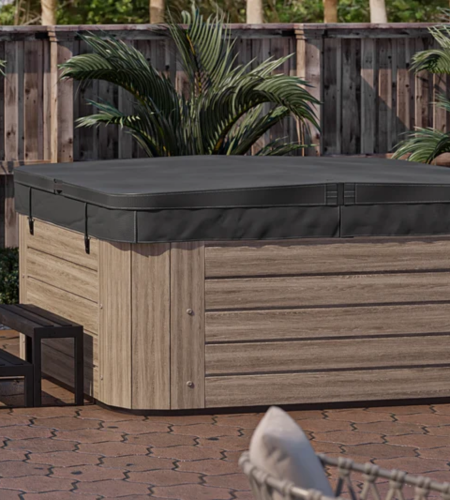
Recognizing problems early helps you make a more informed decision about maintaining or replacing your spa cover.
5 Signs You Need a New Hot Tub Cover
1. Your Cover Is Sagging or Collecting Water
Water pooling in the middle of your hot tub cover is a warning sign worth investigating.
A cover should maintain its shape rather than develop deep dips that collect rainwater. Sagging can indicate weakened foam cores, damaged internal supports, or deterioration caused by repeated exposure to moisture and weather.
Standing water adds weight and may worsen existing structural damage. If the cover remains misshapen after surface water is removed, inspect its structure and edges.
What to do: Remove accumulated water safely, check for visible deformation, and assess whether the foam or supporting structure has failed. Persistent sagging often makes replacement worth considering.
2. The Cover Has Become Unusually Heavy
Does your cover feel much harder to lift than it used to? Waterlogged foam could be the reason.
Hot tub covers rely on insulating foam that traps air. When moisture penetrates the protective layers, the foam can become saturated, adding considerable weight and reducing its ability to retain heat.
A heavy cover can also place additional strain on a cover lifter and make routine spa maintenance more difficult.
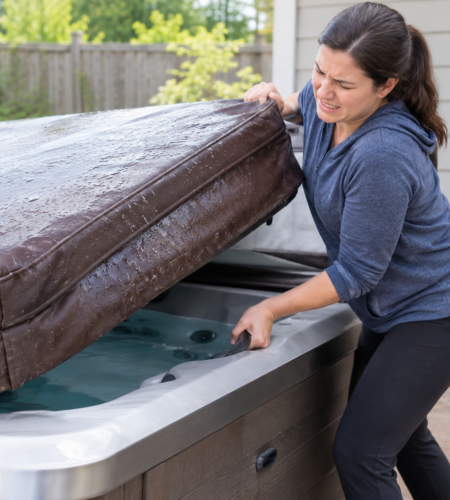
What to do: Compare its weight with how it felt previously, without attempting an unsafe lift. Check the exterior and underside for cracks or damaged seams. If the foam core is saturated, replacing the cover is generally more practical than attempting to dry it out.
3. The Vinyl Is Cracked, Torn, or Peeling
The outer vinyl protects the internal foam from moisture, sunlight, and changing weather conditions. Over time, UV exposure, heat, and wear can make this material brittle.
Look for:
- Cracks along seams and folded sections.
- Tears around handles or strap attachments.
- Peeling or splitting vinyl.
- Damaged areas that expose the foam underneath.
Faded color alone may be cosmetic, but cracking and exposed foam can compromise the cover’s protective barrier.
What to do: Small, localized tears may be repairable if the foam and structure remain sound. Widespread cracking, repeated leaks, or deteriorated foam are stronger reasons to consider a replacement.
4. Your Cover No Longer Fits Properly
A properly fitted hot tub cover should sit evenly around the spa’s perimeter. Gaps, lifted corners, or a warped center can allow heat and steam to escape.
Poor fit may result from damaged foam, worn hinges, incorrect dimensions, or deterioration of the cover’s guy shape. A replacement must match your hot tub’s dimensions and account for any unusual corners, cutouts, or other features.
What to do: Inspect the perimeter, hinge, and skirt for visible gaps. If ordering a new cover, confirm the shape, measurements, fold direction, and strap locations before purchasing.
5. The Straps, Buckles, or Hinges Are Damaged
Safety straps and buckles help secure a hot tub cover when the spa is not in use. Frayed straps, broken buckles, loose attachment points, and torn hinges can interfere with proper closure.
These problems are especially important if children have access to the hot tub. A cover should never be treated as a substitute for appropriate supervision or a safe barrier.
What to do: Stop relying on damaged securing hardware. Individual components may be repairable, but if the surrounding vinyl or structural material has also deteriorated, replacing the complete cover may be the better long-term option.
How The Cover Guy Fits Your Replacement Need
The Cover Guy sells custom hot tub replacement covers with options intended for different climates and insulation requirements. Its official product listings describe three main choices:
- Standard: A 4-inch to 2.5-inch taper for warm to moderate climates.
- Deluxe: A 5-inch to 3-inch taper for moderate to colder climates.
- Extreme: A 6-inch to 4-inch taper for colder, harsher conditions.
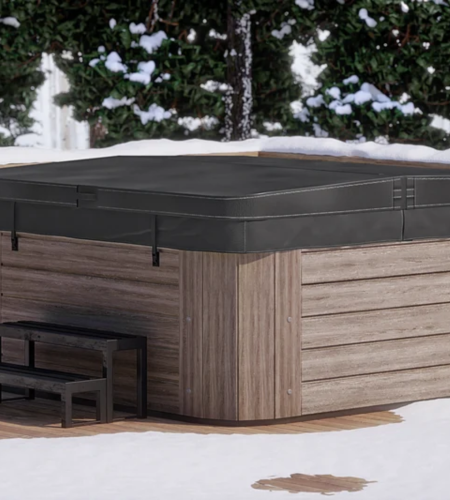
The company’s listed covers include marine-grade vinyl, heat-sealed foam, double stitching, and four child-safety locks. Specifications and availability should be confirmed on the current product page before ordering.
Pros and Cons of Replacing Your Cover
Potential benefits
- Improved insulation when replacing a deteriorated cover.
- Better fit and sealing when measurements are correct.
- Fresh exterior material and functioning safety hardware.
- Options tailored to your local climate.
Potential drawbacks
- A quality replacement can require a substantial upfront investment.
- Custom orders require accurate measurements.
- Production and delivery take time.
- Replacing a cover may be unnecessary if the damage is minor and repairable.
Save More on Every Order – Grab the Latest Coupons & Deals
Frequently Asked Questions
How often should a hot tub cover be replaced?
There is no universal replacement schedule. Lifespan depends on material quality, climate, maintenance, and usage. Replace it when structural deterioration or insulation failure makes continued use impractical.
Can a sagging hot tub cover be repaired?
Sometimes. Minor issues may be repairable, but sagging caused by broken foam cores or weakened internal supports often requires replacement.
Does a heavy hot tub cover mean it is waterlogged?
It can. A noticeable increase in weight may indicate moisture inside the foam, particularly when accompanied by cracking, sagging, or reduced insulation.
Can a damaged cover increase energy costs?
Yes. Cracks, gaps, and deteriorated insulation can allow more heat to escape, potentially making the hot tub work harder to maintain its temperature.
How do I choose the right replacement cover?
Measure your spa carefully, confirm its shape and hinge direction, and consider your climate, insulation needs, and securing hardware. Follow the manufacturer’s measuring guidance.
Conclusion
Sagging, unusual weight, cracked vinyl, poor fit, and damaged straps are five important signs you need a new hot tub cover. Inspecting these areas regularly helps you distinguish minor, repairable damage from problems that affect insulation, structural strength, or secure closure.
If your cover has reached the point where repairs are no longer practical, explore The Cover Guy’s replacement options and compare the fit, insulation, and climate suitability before choosing. A well-fitted, properly maintained cover can help protect your spa and reduce avoidable heat loss.