Table Of Content
- Save More on Every Order – Grab the Latest Coupons & Deals
- Why Latex vs Memory Foam Matters
- Latex vs Memory Foam: Four Key Differences
- 1. Mattress Feel and Pressure Relief
- 2. Temperature Regulation
- 3. Movement and Responsiveness
- 4. Materials, Durability, and Budget
- How PlushBeds Fits the Topic
- Pros and Cons of Latex and Memory Foam
- Pricing and What to Check Before Buying
- Save More on Every Order – Grab the Latest Coupons & Deals
- Frequently Asked Questions
- Is latex better than memory foam?
- Which mattress sleeps cooler?
- Is latex or memory foam better for side sleepers?
- Does a latex mattress last longer than memory foam?
- Is natural latex the same as organic latex?
- Conclusion
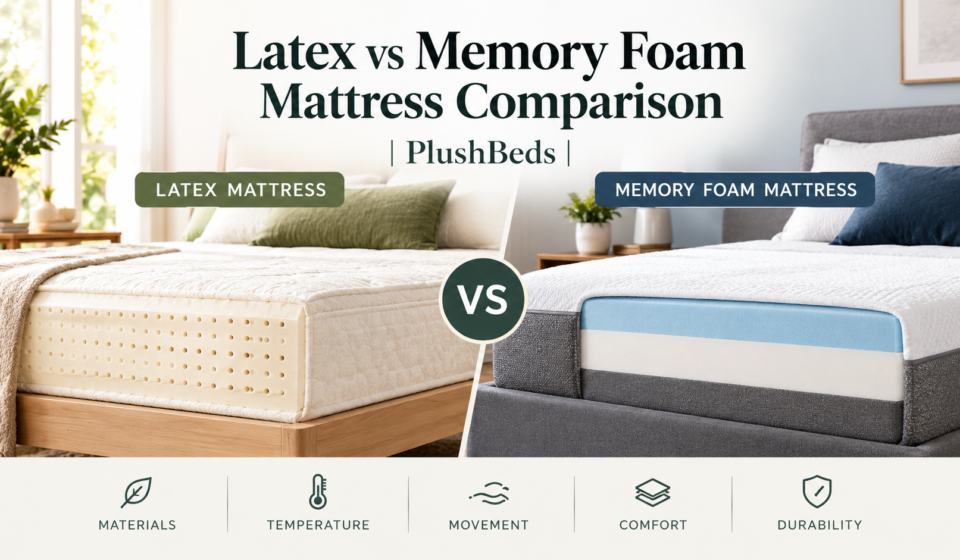
Choosing between a latex vs memory foam mattress can feel confusing when both materials promise a comfortable place to rest. However, they create noticeably different sleeping experiences. Latex generally offers a buoyant, responsive feel, while memory foam is known for contouring closely around the body and responding more slowly to movement. Temperature regulation, preferred firmness, sleeping position, and how easily you change positions can all influence which material feels more comfortable.
Understanding these differences can help you narrow down your options before investing in a new mattress. Natural latex may appeal to people who prefer responsive cushioning and natural materials, while memory foam may suit sleepers who enjoy a more enveloping sensation. Plush Beds offers organic and natural latex mattress options worth exploring if you’re considering a latex mattress for your bedroom.
Save More on Every Order – Grab the Latest Coupons & Deals
Why Latex vs Memory Foam Matters
Your mattress affects how supported and comfortable you feel throughout the night. The right choice depends on your preferences, body shape, sleeping position, and sensitivity to heat or movement.
Latex is commonly produced from natural rubber tree latex, although synthetic and blended versions also exist. Memory foam is typically made from polyurethane-based foam formulated to contour under body heat and pressure.
Neither material is automatically better for everyone. Comparing their everyday characteristics provides a more useful starting point than choosing based on marketing claims alone.
Latex vs Memory Foam: Four Key Differences
1. Mattress Feel and Pressure Relief
Latex generally feels springy and buoyant. It compresses under pressure but responds relatively quickly when you move. This can make it easier to change sleeping positions without feeling deeply surrounded by the mattress.
Memory foam creates a closer, more molded sensation. It gradually conforms to the body’s shape, which some sleepers prefer around pressure-sensitive areas such as the shoulders and hips.
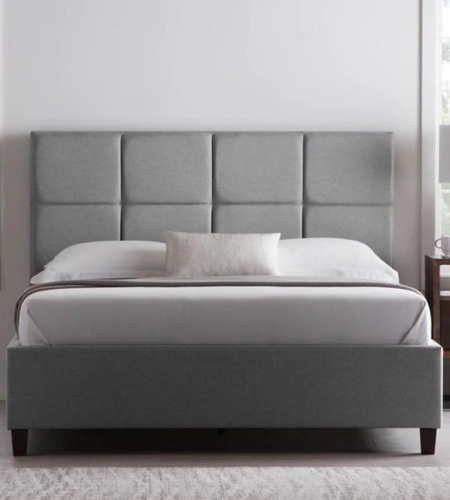
Your preferred sensation is important. If you like a mattress that gently cushions you while maintaining a responsive surface, latex may be worth considering. If you prefer a more cradling feel, memory foam could be a better match.
2. Temperature Regulation
Temperature is another important consideration when comparing mattress materials.
Latex has a naturally responsive structure, and some latex mattresses incorporate ventilation channels, breathable covers, or other airflow features. These characteristics may help manage heat, depending on the mattress construction.
Memory foam can retain more heat in some designs because it conforms closely around the body. However, performance varies between products. Some memory foam mattresses use open-cell structures, cooling covers, or other design features intended to improve temperature management.
If you tend to sleep hot, compare the complete mattress rather than relying on the material name alone. Cover fabrics, comfort layers, mattress protectors, bedding, and room temperature can also influence how warm your bed feels.
3. Movement and Responsiveness
Latex usually returns to its original shape quickly after pressure is removed. This responsive feel can benefit combination sleepers who frequently switch between sleeping positions.
Memory foam typically responds more slowly, gradually recovering after the body changes position. Some people appreciate this sensation, while others find it less convenient when turning over.
Couples should also consider motion isolation. Memory foam often absorbs movement effectively, although results depend on its density, construction, and the rest of the mattress. Latex can also limit movement transfer, but its springier response may feel different to someone sharing a bed.
4. Materials, Durability, and Budget
Natural latex may appeal to shoppers who prioritize renewable raw materials and clearly documented material certifications. Nevertheless, not every latex mattress is entirely natural, so check whether the product uses natural, synthetic, or blended latex.
Memory foam offers a broad range of firmness levels, constructions, and price points. Latex mattresses can require a larger initial investment, particularly when they use certified organic materials.
Durability depends on material quality, foam density, construction, maintenance, and usage. Avoid assuming that every latex mattress lasts longer than every memory foam mattress. Review the manufacturer’s warranty and product specifications before deciding.
How PlushBeds Fits the Topic
Plush Beds specializes in natural and organic latex mattresses, along with mattress toppers and bedding. Its product range includes options for shoppers comparing different comfort levels, mattress constructions, and material preferences.
Two products worth comparing are the Botanical Bliss and Natural Bliss mattresses.
The Botanical Bliss is an organic latex mattress featuring GOLS-certified organic latex, GOTS-certified organic cotton, and organic wool. It offers multiple mattress heights and firmness selections, allowing shoppers to compare configurations according to their preferences.
The Natural Bliss is another option, featuring natural latex and an organic cotton cover. Its wool-free construction may interest shoppers who prefer bedding without animal-derived wool materials.
These mattresses are relevant if you’re leaning toward latex, but compare the full specifications before deciding. PlushBeds’ latex offerings should not be assumed to feel identical to every memory foam mattress.
Pros and Cons of Latex and Memory Foam
Latex mattresses may appeal to shoppers who value responsiveness, natural material options, and a buoyant sleeping surface. Potential drawbacks include a higher upfront cost for some models and a feel that may not suit people who prefer deep contouring.
Memory foam mattresses can provide close body contouring, pressure distribution, and effective motion isolation. However, some models may retain heat or feel slow to respond when you change positions.
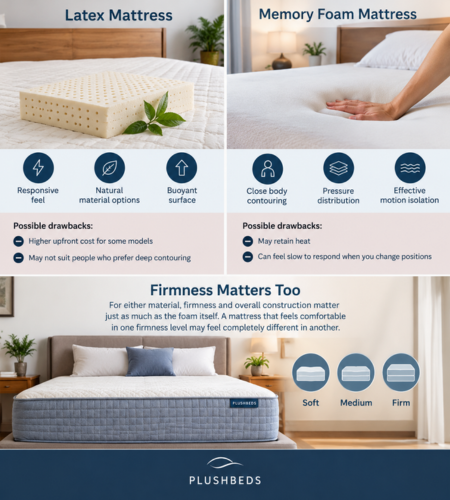
For either material, firmness and overall construction matter just as much as the foam itself. A mattress that feels comfortable in one firmness level may feel completely different in another.
Pricing and What to Check Before Buying
Mattress prices vary according to size, thickness, material composition, firmness, and construction. Plush Beds‘ official listings display different models and configurations, so check the current price for your selected size rather than relying on a starting price alone.
Before ordering, review:
- The materials used in every comfort and support layer.
- Available firmness levels and mattress heights.
- Certification details, if organic materials are important to you.
- Shipping eligibility, delivery options, trial conditions, and return requirements.
- Warranty coverage and any exclusions.
Delivery and trial terms may vary by product or location. Confirm the current details on the official website before completing a purchase.
Save More on Every Order – Grab the Latest Coupons & Deals
Frequently Asked Questions
Is latex better than memory foam?
Neither is universally better. Latex typically feels more responsive, while memory foam usually contours more closely around the body. Your preferred feel, sleeping position, temperature sensitivity, and budget should guide your choice.
Which mattress sleeps cooler?
Some latex mattresses offer good airflow and less body-enveloping contact. However, cooling performance depends on the complete construction, including the cover and comfort layers. Memory foam designs also vary.
Is latex or memory foam better for side sleepers?
Both can suit side sleepers. The important factors are pressure relief around the shoulders and hips, appropriate firmness, and sufficient support for the body. Individual comfort preferences differ.
Does a latex mattress last longer than memory foam?
Longevity depends on material quality, construction, usage, and maintenance. Latex is resilient, but you should compare product warranties and construction details instead of assuming every latex model will outlast every memory foam option.
Is natural latex the same as organic latex?
No. Natural latex refers to latex derived from natural rubber, while organic latex must meet applicable organic production and certification requirements. Check the specific product’s documentation to understand its materials.
Conclusion
The choice between a latex vs memory foam mattress comes down to how you prefer your bed to feel. Latex generally provides buoyant, responsive cushioning, while memory foam offers a more closely contoured sleeping surface. Temperature regulation, firmness, movement, material preferences, and budget all deserve consideration.
If natural materials and a responsive feel appeal to you, compare the Botanical Bliss and Natural Bliss options from PlushBeds. Review their specifications and current purchase terms to determine which mattress best matches your needs.
Explore the official PlushBeds mattress collection to compare available latex options before making your final decision.