Table Of Content
- Save More on Every Order – Grab the Latest Coupons & Deals
- 1. Measure Your Window Carefully
- 2. Check How Much Light Can Leak Around the Blind
- 3. Compare Fabric Construction and Practical Benefits
- 4. Understand Installation Requirements
- 5. Consider Cordless Design and Everyday Use
- Save More on Every Order – Grab the Latest Coupons & Deals
- Frequently Asked Questions
- Are blackout blinds better than regular blinds?
- Do blackout blinds completely eliminate light?
- How should I measure for blackout window blinds?
- Are cordless blackout blinds a good option for homes with children?
- What should I check before ordering custom blackout blinds?
- Conclusion
Choosing blackout window blinds involves more than picking a dark fabric or an attractive color. The right window covering should suit your window dimensions, reduce unwanted light, fit your interior, and work with your everyday needs. Some blinds block light through the material but still allow brightness around the edges. Others may not fit properly because of window handles, shallow recesses, or incorrect measurements.
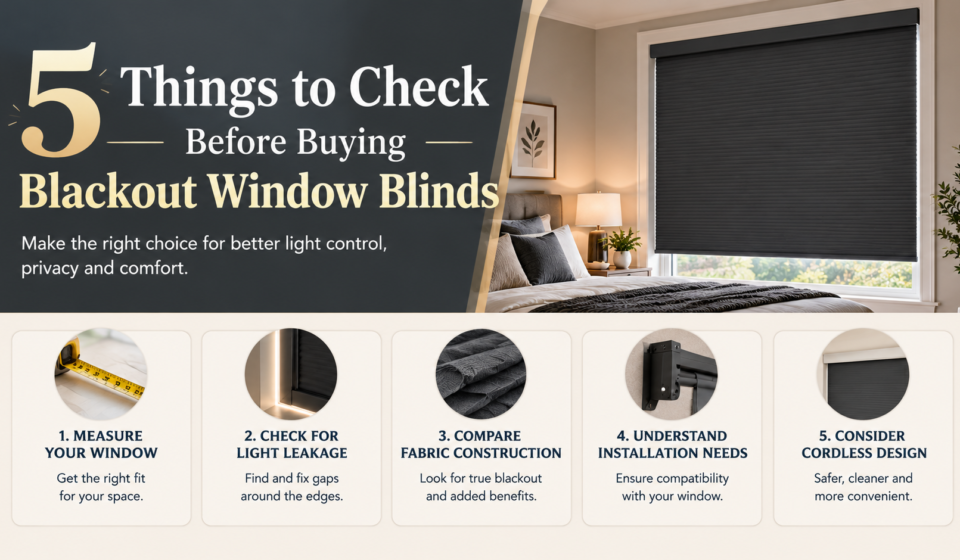
Before buying blackout window blinds, it helps to compare five essential factors: window measurements, light leakage, fabric construction, installation requirements, and cordless design. These details can help you avoid common purchasing mistakes and choose a solution that matches your room. If you are considering a framed blackout system, Guard Blinds is one option to investigate while comparing window coverage, product specifications, and fitting requirements.
Save More on Every Order – Grab the Latest Coupons & Deals
1. Measure Your Window Carefully
Accurate measurements are among the most important things to check before buying blackout blinds. Even a well-designed product may not fit correctly if the window opening is measured incorrectly.
First, determine whether the blind is designed for inside-recess or outside mounting. The measuring method differs between these arrangements, so follow the instructions for the exact product rather than assuming every blind uses the same dimensions.
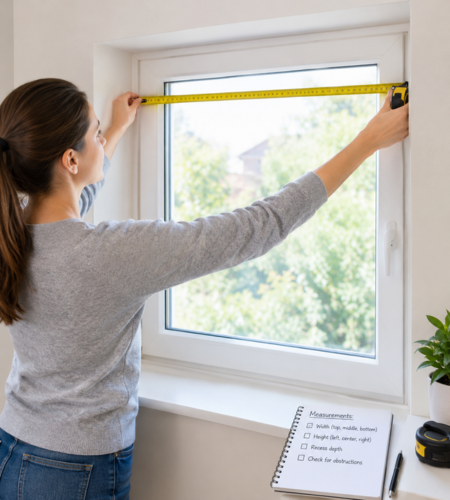
For an inside-recess installation, check:
- Width: Measure near the top, middle, and bottom of the recess.
- Height: Measure along the left, center, and right sides.
- Recess depth: Confirm there is enough unobstructed space for the frame.
- Obstructions: Check for handles, locks, latches, and other components that could interfere with operation.
Record the measurements accurately and follow the manufacturer’s ordering instructions. Guard Blinds provides a measuring guide that explains how to measure different parts of a window and account for obstructions. Its requirements should be checked before placing an order.
2. Check How Much Light Can Leak Around the Blind
Blackout fabric and total window blackout are not necessarily the same thing. A material can block light through its surface while gaps around the sides, top, or bottom allow daylight into the room.
Think about where unwanted light is most likely to enter. Narrow vertical lines often indicate gaps beside the blind, while brightness near the top may come from the headrail area. Light underneath the blind can indicate that the covering does not extend far enough down.
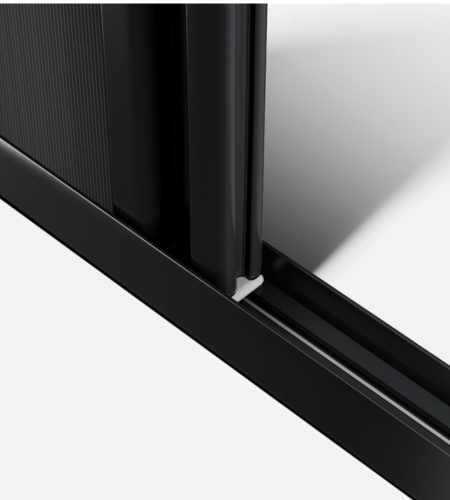
When comparing products, consider whether they use a conventional roller design, a wider overlapping installation, or a framed system with tracks around the edges.
Guard Blinds describes its framed blackout design as using a track system intended to close gaps between the blind and the window frame. This type of construction may be worth considering if reducing edge leakage is a priority. However, proper measurements and compatibility remain important.
Before choosing a product, review the manufacturer’s description of its light-blocking performance and understand whether the claim refers to the fabric alone or the complete installed system.
3. Compare Fabric Construction and Practical Benefits
Fabric construction affects how a blind looks, feels, and performs. Blackout materials are intended to prevent light from passing through the covered area, but different constructions may also offer insulation or other practical benefits.
When comparing blackout window blinds, examine the following features:
- Opacity: Check whether the material is described as blackout or room-darkening.
- Layering: Some designs use multiple fabric layers to achieve their intended performance.
- Thermal properties: Certain constructions include reflective or insulating layers that may help reduce heat transfer.
- Appearance: Consider the color and texture alongside your bedroom or living-room decor.
- Maintenance: Review cleaning instructions before selecting a material.
Guard Blinds describes its blackout system as using dual-layer honeycomb fabric with a reflective thermal barrier. Check the specifications for the exact model to understand its construction and stated benefits.
Remember that insulation, privacy, and sound reduction are separate considerations from light blockage. Do not assume that every blackout blind offers the same performance in all three areas.
4. Understand Installation Requirements
Before ordering, confirm that the blind is suitable for your window and that you can install it according to the manufacturer’s instructions.
Check the available mounting space, window shape, recess depth, and any handles or locks that could obstruct the frame. Older windows may be uneven, and a window that looks rectangular may not have identical measurements at every point.
Also consider whether the product requires drilling, specific mounting hardware, or assistance during installation. A no-drill design may be convenient for some homes, but its compatibility still depends on the window and product requirements.
Guard Blinds provides installation guidance and identifies minimum recess-depth requirements for its products. Review these details before purchasing rather than relying only on promotional images.
If you are uncertain about your window’s compatibility, contact the manufacturer with your measurements and photos of any unusual features. Confirming these details beforehand can help reduce avoidable fitting problems.
5. Consider Cordless Design and Everyday Use
The final consideration is how the blinds operate in your home. A window covering should be practical to open, close, and maintain, not simply effective at blocking light.
Cordless designs avoid dangling lift cords, which can reduce a potential entanglement hazard for young children and pets. The suitability of a particular design still depends on how it is installed and used, so review the manufacturer’s safety information.
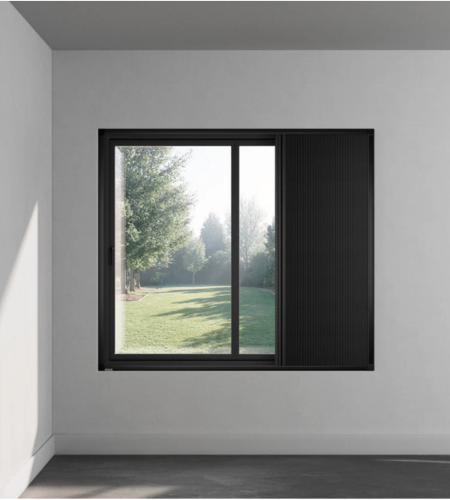
Also consider the direction in which the blind opens, how much space it occupies when open, and whether furniture or window hardware could interfere with movement. For frequently used windows, a smooth operating mechanism can make everyday use more convenient.
Guard Blinds describes its system as cordless. Check the current product details to confirm the operating style and available configurations before choosing a model.
Save More on Every Order – Grab the Latest Coupons & Deals
Frequently Asked Questions
Are blackout blinds better than regular blinds?
They may be a better fit when reducing daylight and improving privacy are priorities. However, actual light control depends on the material, window coverage, and installation.
Do blackout blinds completely eliminate light?
Not every design does. Light can enter around uncovered edges even when the fabric itself blocks light. Framed systems and suitable tracks may help reduce these gaps.
How should I measure for blackout window blinds?
Follow the specific manufacturer’s instructions. Some products require measurements at several points across the width and height, along with a check of the available recess depth.
Are cordless blackout blinds a good option for homes with children?
Cordless designs remove dangling lift cords, reducing one potential entanglement hazard. Always review the product’s safety guidance and install it correctly.
What should I check before ordering custom blackout blinds?
Confirm the dimensions, mounting compatibility, light-blocking design, fabric specifications, operating method, warranty, and return conditions. Review current terms before completing your purchase.
Conclusion
The best blackout window blinds for your home depend on more than fabric color or appearance. Check your window measurements, identify possible light leaks, compare fabric construction, understand installation requirements, and consider how the blind operates day to day.
These five checks can help you compare products more confidently and avoid choosing a design that does not suit your window. If a framed blackout system fits your needs, explore Guard Blinds and review its current specifications, measuring instructions, and purchase terms before deciding.