
Table Of Content
- 🎉 Exclusive Deals & Special Savings
- Why Do Hormones Affect Women’s Skin?
- How Perimenopause Changes Skin
- What Happens to Skin During Menopause?
- Practical Skincare Tips for Healthy Aging
- How Inner Balance Fits Into Women’s Skin and Hormone Health
- Is Hormone-Informed Skincare Worth Considering?
- 🔥 Amazing Deals & Fantastic Discounts
- Frequently Asked Questions
- 1. Can low estrogen make your skin look older?
- 2. At what age do hormonal skin changes begin?
- 3. Why does skin become dry during menopause?
- 4. What skincare ingredients are useful during menopause?
- 5. Can hormone therapy reverse skin aging?
- Related Resources
- Conclusion
Have you noticed that your skin feels drier, looks less firm, or develops new wrinkles even though your skincare routine has not changed? These differences can be connected to hormonal changes that occur as women get older. Understanding how hormones affect women’s skin and aging can help explain why skin texture, hydration, elasticity, and appearance may change during perimenopause and menopause.
Estrogen and other hormones play important roles in maintaining healthy skin. As their levels fluctuate or decline, your skin may need different care and attention. Learning about these changes can help you make informed skincare decisions and explore women’s wellness solutions, including the hormone-informed approach offered by Inner Balance.
🎉 Exclusive Deals & Special Savings
Why Do Hormones Affect Women’s Skin?
Hormones influence several processes that help maintain the skin’s structure and appearance. Estrogen, in particular, supports collagen production, skin thickness, hydration, and elasticity.
During perimenopause, hormone levels begin to fluctuate. After menopause, estrogen levels remain lower, which can contribute to noticeable skin changes.
Common changes include:
- Dryness and reduced moisture retention.
- Fine lines and more visible wrinkles.
- Reduced firmness and skin elasticity.
- Uneven skin tone and age spots.
- Changes in skin sensitivity and texture.
- Increased facial hair or occasional breakouts.
These changes do not happen equally for everyone. Genetics, sun exposure, lifestyle, and existing skin conditions also influence how skin ages.
How Perimenopause Changes Skin
Perimenopause is the transition leading up to menopause. During this stage, estrogen levels can fluctuate considerably, making some skin changes difficult to predict.
You might notice that your usual moisturizer no longer feels sufficient or that your complexion becomes more sensitive. Some women also experience increased oiliness, acne, or changes in skin texture.
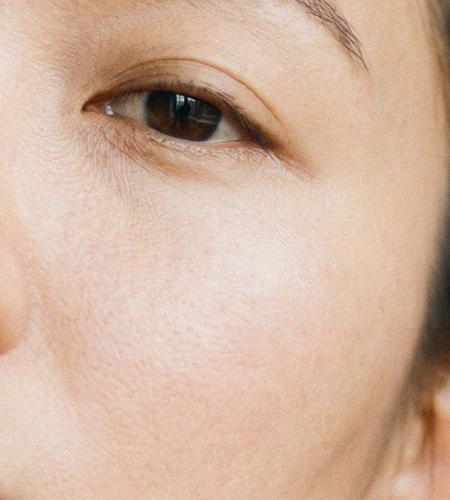
Collagen is another important consideration. It provides structural support and helps skin maintain its firmness. As estrogen declines, collagen production and skin elasticity can decrease.
Recognizing these changes early can help you adjust your skincare routine instead of repeatedly switching products without understanding what your skin needs.
What Happens to Skin During Menopause?
Menopause officially begins after 12 consecutive months without a menstrual period. Lower estrogen levels can influence the skin’s ability to retain moisture and maintain its structure.
Some common effects include:
1. Increased dryness: Skin may lose some of its ability to hold water, making it feel tight, rough, or uncomfortable.
2. Reduced firmness: Declining collagen can contribute to thinner-looking skin, sagging, and more noticeable wrinkles.
3. Uneven skin tone: Sun exposure and age-related changes can contribute to dark spots and pigmentation.
4. Greater sensitivity: A weakened skin barrier may make certain cleansers, fragrances, and active ingredients harder to tolerate.
Understanding these changes helps you focus on skin health rather than expecting your complexion to remain exactly the same throughout every stage of life.
Practical Skincare Tips for Healthy Aging
A thoughtful skincare routine can help maintain hydration, protect the skin barrier, and improve its overall appearance.
Consider these practical habits:
- Use a gentle cleanser: Avoid harsh cleansing products that leave your skin feeling tight or stripped.
- Moisturize consistently: Ingredients such as hyaluronic acid and glycerin can help attract and retain moisture.
- Apply sunscreen daily: Choose broad-spectrum SPF 30 or higher to protect against ultraviolet damage.
- Consider targeted ingredients: Niacinamide, vitamin C, and retinoids may help address specific concerns, depending on your skin’s tolerance.
- Avoid excessive exfoliation: Mature or sensitive skin may become irritated by aggressive exfoliating routines.
- Maintain healthy habits: Adequate sleep, balanced nutrition, hydration, and regular physical activity support overall wellness.
Introduce new skincare ingredients gradually. If persistent irritation, unusual pigmentation, or sudden skin changes occur, consult a qualified dermatologist.
How Inner Balance Fits Into Women’s Skin and Hormone Health
Inner Balance is a women’s wellness brand offering clinician-led prescription treatments and products focused on hormone health, sexual wellness, skincare, and longevity.
Its approach recognizes that women’s wellness needs can change throughout perimenopause, menopause, and other life stages.
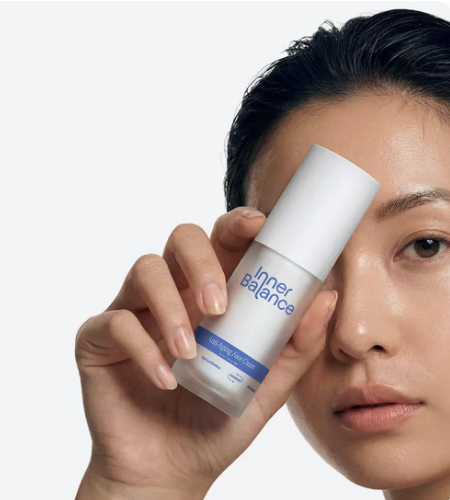
One relevant offering is BodyMatched, a hormone-informed skincare product designed for concerns associated with hormonally changing skin.
According to the brand, BodyMatched features several active ingredients:
- Bioidentical estriol: A topical estrogen ingredient included in the brand’s formulation.
- Tretinoin: A prescription retinoid used for concerns such as wrinkles and uneven skin tone.
- Niacinamide: An ingredient commonly used to support the skin barrier and address discoloration.
- Finasteride: An optional ingredient intended to address unwanted facial hair and related concerns.
The formulation is personalized through clinician involvement rather than presented as a universal skincare solution.
Inner Balance also offers Oestra, a prescription hormone treatment associated with its broader women’s hormone health approach. However, Oestra and BodyMatched serve different purposes and should not be treated as interchangeable skincare products.
Is Hormone-Informed Skincare Worth Considering?
Hormone-related skin changes can involve more than ordinary surface dryness. For some women, understanding the relationship between hormonal changes and skin health can help guide better conversations with healthcare professionals.
Inner Balance may be worth exploring if you are interested in clinician-guided women’s wellness options and want to understand its approach to hormone-related concerns.
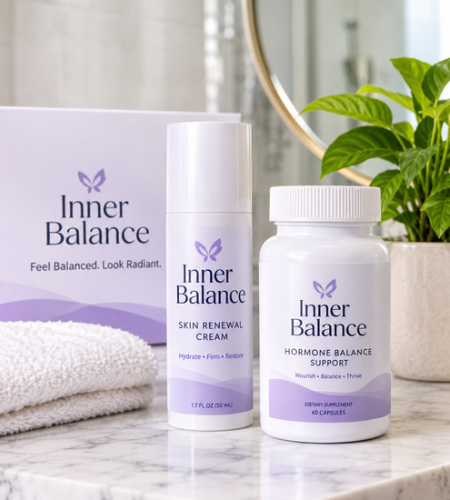
However, prescription skincare and hormone treatments are not suitable for everyone. Ingredients such as tretinoin and topical hormones require professional assessment. Hormone therapy should not be started solely to improve the appearance of aging skin.
Compare treatment options, understand potential risks, and discuss your medical history with a qualified healthcare professional before deciding.
🔥 Amazing Deals & Fantastic Discounts
Frequently Asked Questions
1. Can low estrogen make your skin look older?
Lower estrogen can contribute to reduced collagen, dryness, and decreased skin elasticity. These changes may make wrinkles and skin laxity more noticeable.
2. At what age do hormonal skin changes begin?
Some women notice changes during their 40s as perimenopause begins, although timing varies. Skin aging can also occur independently of menopause.
3. Why does skin become dry during menopause?
Lower estrogen levels can affect the skin’s moisture-retention ability and barrier function, contributing to dryness and sensitivity.
4. What skincare ingredients are useful during menopause?
Hyaluronic acid, glycerin, niacinamide, vitamin C, and retinoids may help address different skin concerns. Choose products according to your skin type and tolerance.
5. Can hormone therapy reverse skin aging?
Hormone therapy may influence certain skin characteristics, but results vary. It is not currently recommended solely as a treatment for skin aging. Discuss potential benefits and risks with your healthcare provider.
Related Resources
Women researching personalized healthcare can also explore Inner Balance Women’s Health Review for additional information about the company’s services, treatment options, and overall healthcare approach.
Conclusion
Understanding how hormones affect women’s skin and aging can make the changes associated with perimenopause and menopause easier to navigate. Reduced estrogen can influence collagen, hydration, elasticity, and skin texture, but consistent skincare and healthy lifestyle habits can help support skin health.
For women interested in a broader approach to hormonal wellness and skin concerns, Inner Balance offers clinician-guided options, including its BodyMatched skincare formulation. Take time to understand the ingredients, explore the available information, and discuss suitable options with a qualified professional. Healthy aging is about supporting your skin and overall well-being at every stage of life.