Table Of Content
- 🎉 Exclusive Deals & Special Savings
- 1. Unusual Menstrual Changes
- 2. Persistent Fatigue and Low Energy
- 3. Breast Changes You Should Not Ignore
- 4. Mood Changes and Emotional Health
- 5. Sleep Problems and Night Sweats
- 6. Pelvic Pain and Unusual Discomfort
- 7. Unexplained Weight Changes and Hormonal Symptoms
- How Inner Balance Supports Women’s Wellness
- When Should You Seek Medical Attention?
- 🔥 Amazing Deals & Fantastic Discounts
- Frequently Asked Questions
- 1. What are the most common women’s health warning signs?
- 2. How do I know if my hormones are changing?
- 3. When do women typically experience perimenopause?
- 4. Can hormonal changes cause fatigue and mood swings?
- 5. Are unusual periods always a sign of a health problem?
- 6. How can women support their overall hormonal health?
- Related Resources
- Conclusion
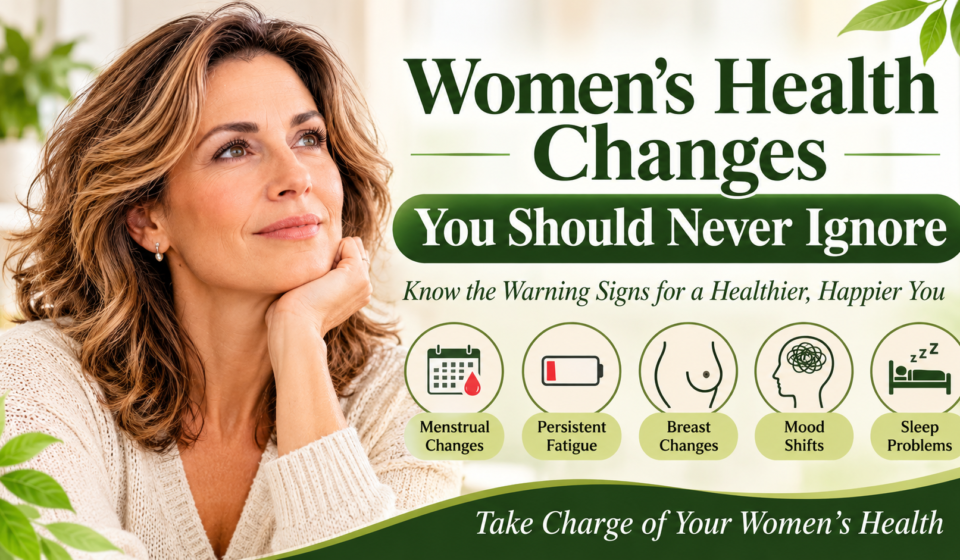
Women’s bodies experience different changes throughout life, from menstrual cycles and pregnancy to perimenopause and menopause. Some changes are completely normal, but others may indicate an underlying health concern that deserves attention. Understanding women’s health changes you should never ignore can help you recognize unusual symptoms and make informed decisions about your well-being.
Many women overlook persistent fatigue, irregular periods, unexpected weight changes, or emotional fluctuations because they assume these symptoms are simply part of aging or hormonal changes. However, paying attention to your body’s signals is essential. Inner Balance recognizes the importance of women’s hormonal wellness and healthy aging, helping women explore ways to better understand their bodies and make informed decisions about their overall well-being. Whether you are exploring hormonal wellness or looking for ways to maintain healthy aging, recognizing important warning signs is a valuable first step.
🎉 Exclusive Deals & Special Savings
1. Unusual Menstrual Changes
Menstrual changes are common during life stages, but heavy bleeding or persistent irregularities may need medical attention.
Watch for these changes:
- Periods lasting longer than seven days.
- Bleeding between menstrual cycles.
- Unusually heavy menstrual flow.
- Bleeding after sexual activity.
- Significant changes in your regular cycle.
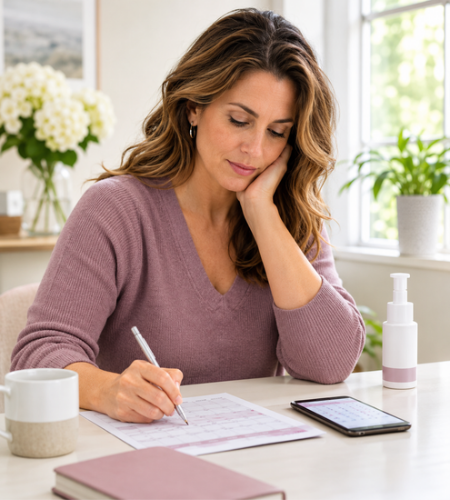
Bleeding after menopause is particularly important and should always be evaluated by a healthcare professional.
Hormonal fluctuations, fibroids, thyroid conditions, and other reproductive health concerns may contribute to menstrual irregularities. Keeping track of your cycle can help you explain changes during medical appointments.
2. Persistent Fatigue and Low Energy
Feeling tired occasionally is normal, but persistent exhaustion that does not improve with adequate rest deserves attention.
Several factors may contribute to ongoing fatigue, including:
- Iron deficiency or anemia.
- Thyroid disorders.
- Sleep disturbances.
- Nutritional deficiencies.
- Hormonal fluctuations.
- Stress and mental health concerns.
Women experiencing perimenopause may also notice fatigue alongside night sweats and interrupted sleep.
Instead of ignoring exhaustion, consider discussing persistent symptoms with a healthcare professional. Appropriate examinations and laboratory tests may help identify possible causes.
3. Breast Changes You Should Not Ignore
Breast tissue naturally changes throughout the menstrual cycle, pregnancy, and menopause. However, new or unusual changes should never be dismissed.
Important signs include:
- A newly discovered breast lump.
- Changes in breast shape or size.
- Skin dimpling or puckering.

- Unusual nipple discharge.
- Sudden nipple inversion.
- Persistent swelling or redness.
Not every breast lump indicates cancer, but a new lump or noticeable breast change should be evaluated. Understanding what is normal for your body makes it easier to recognize unusual differences.
4. Mood Changes and Emotional Health
Hormonal fluctuations can influence emotional well-being during menstrual cycles, pregnancy, perimenopause, and menopause.
Some women experience irritability, anxiety, low mood, or difficulty managing everyday stress.
Occasional mood changes are common, but persistent sadness, overwhelming anxiety, loss of interest in activities, or significant changes in emotional health deserve attention.
Healthy routines, adequate sleep, physical activity, and stress management may support emotional well-being. If symptoms interfere with daily life, consider speaking with a qualified healthcare or mental health professional.
5. Sleep Problems and Night Sweats
Sleep disturbances are another concern women sometimes overlook.
Difficulty falling asleep, frequent nighttime waking, and waking up feeling exhausted can affect concentration, energy, and emotional health.
During perimenopause and menopause, hormonal fluctuations may contribute to hot flashes and night sweats that interrupt sleep.
Helpful habits include maintaining a consistent bedtime, limiting caffeine later in the day, keeping your bedroom comfortable, and discussing ongoing sleep difficulties with a healthcare professional.
Persistent sleep problems should not automatically be blamed on aging.
6. Pelvic Pain and Unusual Discomfort
Occasional menstrual cramps are common, but persistent or worsening pelvic pain deserves medical attention.
Possible causes include endometriosis, ovarian cysts, fibroids, pelvic infections, and other reproductive health conditions.
Pay attention to recurring discomfort, painful sexual activity, unexplained bloating, and unusual vaginal discharge.
Sudden severe pelvic pain, especially when accompanied by fever, fainting, or vomiting, requires urgent medical assessment.
7. Unexplained Weight Changes and Hormonal Symptoms
Changes in body weight can happen because of aging, nutrition, physical activity, medication, and hormonal fluctuations.
However, sudden or unexplained weight changes deserve attention, especially when accompanied by other symptoms.
Thyroid conditions, insulin resistance, medication effects, and other health concerns may influence metabolism and body weight.
Rather than assuming every change is caused by menopause, discuss persistent symptoms with a healthcare professional.
How Inner Balance Supports Women’s Wellness
Understanding your symptoms helps guide healthcare decisions. Inner Balance offers clinician-guided treatments focused on hormone health, sexual wellness, skincare, and longevity.
Two relevant offerings include:
Oestra: A prescription estradiol and progesterone treatment for women considering hormone therapy, subject to professional assessment.

BodyMatched: A prescription skincare formulation designed for hormonally changing skin. Its listed ingredients include estriol, tretinoin, and niacinamide, with an optional finasteride formulation.
These products address specific wellness interests and should not replace medical evaluation. Prescription treatments require appropriate clinical assessment, and potential benefits and risks should be discussed with a qualified clinician.
Women considering Inner Balance can explore its available treatments, clinical care approach, and current product information before deciding whether an option is appropriate.
When Should You Seek Medical Attention?
Some symptoms deserve prompt evaluation rather than routine monitoring.
Arrange a medical appointment if you experience:
- Bleeding after menopause.
- Persistent unusual menstrual bleeding.
- A new breast lump or noticeable breast changes.
- Ongoing pelvic pain.
- Unexplained weight loss.
- Persistent fatigue affecting everyday activities.
Seek emergency medical attention for chest pain, severe breathing difficulty, fainting, or sudden neurological symptoms.
🔥 Amazing Deals & Fantastic Discounts
Frequently Asked Questions
1. What are the most common women’s health warning signs?
Important warning signs include unusual menstrual bleeding, persistent fatigue, unexplained weight changes, new breast lumps, pelvic pain, and significant mood changes. Persistent or unusual symptoms deserve medical evaluation.
2. How do I know if my hormones are changing?
Hormonal changes may cause irregular periods, hot flashes, night sweats, sleep disturbances, mood changes, and vaginal dryness. However, these symptoms can have other causes, so professional evaluation may be helpful.
3. When do women typically experience perimenopause?
Perimenopause commonly begins during the 40s, although the timing varies. Changes in menstrual cycles, sleep, mood, and body temperature may indicate this transition.
4. Can hormonal changes cause fatigue and mood swings?
Yes. Hormonal fluctuations may contribute to changes in energy, sleep, and mood. However, persistent symptoms should also be evaluated for other possible medical or psychological causes.
5. Are unusual periods always a sign of a health problem?
Not necessarily. Menstrual changes can happen during different life stages. However, unusually heavy bleeding, persistent irregularity, bleeding between periods, or bleeding after menopause should be discussed with a healthcare professional.
6. How can women support their overall hormonal health?
Balanced nutrition, regular physical activity, adequate sleep, stress management, and routine healthcare appointments can support overall wellness. Women experiencing persistent symptoms should discuss appropriate evaluation and treatment options with a qualified professional.
Related Resources
For additional information about available treatments and healthcare services, explore our Inner Balance Women’s Health Review.
Conclusion
Your body communicates important information through changes in energy, sleep, mood, menstrual patterns, and physical health. Understanding women’s health changes you should never ignore can help you recognize when something deserves closer attention.
Make regular healthcare appointments, discuss unusual symptoms, and avoid assuming every change is simply part of aging or hormonal fluctuations. For women interested in exploring hormone-related wellness options, Inner Balance offers clinician-guided treatments and skincare products worth researching. Taking an informed approach to your health can help you make thoughtful decisions about long-term women’s wellness.