

Table Of Content
- 🎉 Exclusive Deals & Massive Savings
- Why Health Lab Testing Matters
- Important Health Markers to Understand
- 1. Testosterone Levels
- 2. Complete Blood Count (CBC)
- 3. Vitamin D
- 4. Hormone-Related Markers
- How Maximus Approaches Health Lab Testing
- Key Features of Maximus Lab Testing
- Pricing and Testing Options
- Pros and Cons
- Pros
- Cons
- 📦 Smart Bundles at Better Prices
- Frequently Asked Questions
- 1. Why is health lab testing important?
- 2. Which blood tests are commonly used to understand men’s health?
- 3. Can I complete blood testing at home?
- 4. Does Maximus offer clinician-reviewed laboratory results?
- 5. Do normal laboratory results mean everything is fine?
- 6. How often should someone get blood tests?
- Related Resources
- Conclusion
Understanding your body starts with knowing what is happening beneath the surface. Health lab testing is one way to learn more about important body functions, hormone levels, and general health markers. Blood tests can provide useful information that may help identify changes and guide conversations with healthcare professionals. However, many people are unsure which tests they need or how to understand their results. Learning about common laboratory tests can make the process easier and help you make informed decisions. Maximus offers lab testing options connected to its men’s health programs, giving eligible customers a way to complete required testing and have results reviewed by clinicians.
🎉 Exclusive Deals & Massive Savings
Why Health Lab Testing Matters
Your body performs many important functions every day. Hormones, blood cells, vitamins, and other substances all play different roles in maintaining normal body functions.
Laboratory testing helps measure these substances and provides information that may not be obvious from everyday symptoms.

Some common reasons healthcare professionals recommend lab testing include:
- Understanding hormone levels.
- Checking important blood markers.
- Monitoring changes over time.
- Evaluating certain organ functions.
- Supporting decisions about medical care.
Testing is especially useful when combined with medical history, physical examinations, and professional guidance. A single result cannot explain everything about your health, but several relevant measurements can provide a clearer picture.
Important Health Markers to Understand
Different laboratory tests measure different aspects of the body. The appropriate tests depend on individual needs, age, symptoms, and medical history.
1. Testosterone Levels
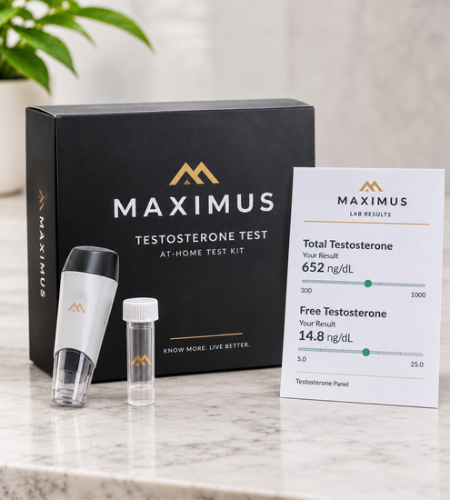
Testosterone is an important hormone involved in several functions, including reproductive health, muscle development, and bone health.
Total testosterone measures the overall amount in the blood, while free testosterone measures the portion that is not attached to certain proteins.
Healthcare professionals may consider additional hormone measurements when evaluating testosterone-related concerns.
2. Complete Blood Count (CBC)
A complete blood count measures different types of blood cells, including red blood cells, white blood cells, and platelets.
It can provide information about:
- Hemoglobin levels.
- Red blood cell measurements.
- White blood cell counts.
- Platelet counts.
- Hematocrit levels.
Doctors commonly use CBC testing as part of general medical evaluations.
3. Vitamin D
Vitamin D plays an important role in bone health and normal muscle function.
A vitamin D blood test measures its level in the body. A healthcare professional can determine whether additional evaluation or dietary changes may be appropriate based on the results.
4. Hormone-Related Markers
Other hormone measurements may help provide additional information about the endocrine system.
These include:
- Estradiol.
- Sex Hormone Binding Globulin (SHBG).
- Luteinizing Hormone (LH).
- Follicle-Stimulating Hormone (FSH).
- Dihydrotestosterone (DHT).
Not everyone needs every measurement. A healthcare professional should determine which tests are appropriate.
How Maximus Approaches Health Lab Testing
Maximus is a men’s health company that provides clinician-guided programs and laboratory testing options associated with its services.
Its testing approach focuses on collecting relevant measurements before and during certain programs. This allows clinicians to review laboratory information alongside other details when evaluating an individual’s situation.
Maximus currently describes three ways to complete required blood testing:
- At-home testing: Customers can use a Maximus test kit for the markers required by their selected protocol.
- Quest Diagnostics: Customers can complete an in-person blood draw using a provided laboratory requisition.
- External bloodwork: Eligible customers can submit recent laboratory results from another healthcare provider if the results meet the required criteria.
The appropriate option depends on the selected program and the clinician’s instructions.
Key Features of Maximus Lab Testing
One useful aspect of the Maximus approach is the availability of different testing methods.
Clinician-reviewed results: Laboratory information is reviewed by clinicians who consider the results in relation to the individual’s program and medical information.
Relevant hormone measurements: Depending on the selected protocol, testing may include testosterone, SHBG, estradiol, LH, and FSH.

Additional blood markers: Its published standard panel also describes measurements such as vitamin D, CBC, PSA, and DHT.
Flexible testing methods: At-home kits, in-person laboratory appointments, and qualifying external results provide different ways to complete required testing.
These features can be useful for people who prefer a structured testing process.
Pricing and Testing Options
According to the published Maximus testing policies, its at-home laboratory kit is priced at $99. The company also accepts qualifying external bloodwork without an additional testing fee when the results meet its requirements.
For in-person Quest Diagnostics testing, published costs vary by panel, ranging from $19.99 to $115.
These prices relate to the laboratory services described in its program policies. They should not be confused with the cost of an entire Maximus program or subscription. Customers should confirm current charges and requirements before ordering.
Pros and Cons
Pros
- Multiple ways to complete required testing.
- Access to clinician-reviewed laboratory results.
- Testing includes relevant hormone measurements.
- Qualifying external laboratory results may be accepted.
- Published information explains testing requirements and costs.
Cons
- Some testing options are connected to specific programs.
- Additional markers may involve extra charges.
- Not every test is available through an at-home kit.
- Laboratory results still require appropriate professional interpretation.
📦 Smart Bundles at Better Prices
Frequently Asked Questions
1. Why is health lab testing important?
It provides measurements of different substances in the body and can help healthcare professionals evaluate health concerns and monitor changes.
2. Which blood tests are commonly used to understand men’s health?
Depending on individual needs, testing may include testosterone, CBC, vitamin D, estradiol, and other hormone-related measurements.
3. Can I complete blood testing at home?
Some laboratory tests offer at-home collection kits. Maximus also provides an at-home option for certain program-related testing requirements.
4. Does Maximus offer clinician-reviewed laboratory results?
Yes. Maximus states that clinicians review submitted laboratory results in connection with its programs.
5. Do normal laboratory results mean everything is fine?
Not necessarily. Reference ranges are only one part of understanding health. Symptoms, medical history, and other findings also matter.
6. How often should someone get blood tests?
Testing frequency depends on age, medical history, symptoms, risk factors, and healthcare recommendations. There is no single schedule that suits everyone.
Related Resources
For additional information about the platform, its services, treatment options, and pricing, explore the Maximus review published on Reviewness.
Conclusion
Understanding your body becomes easier when you have reliable information about important health markers. Health lab testing can provide useful insights into hormones, blood cells, vitamins, and other measurements that contribute to medical evaluations. The key is choosing appropriate tests and understanding the results with professional guidance. Maximus offers several laboratory testing options within its men’s health programs, including at-home kits, in-person testing, and qualifying external bloodwork. Exploring its testing approach can help you understand whether its services match your individual needs.