
Table Of Content
- Save More on Every Order – Grab the Latest Coupons & Deals
- Why Ask Questions Before Hormone Therapy?
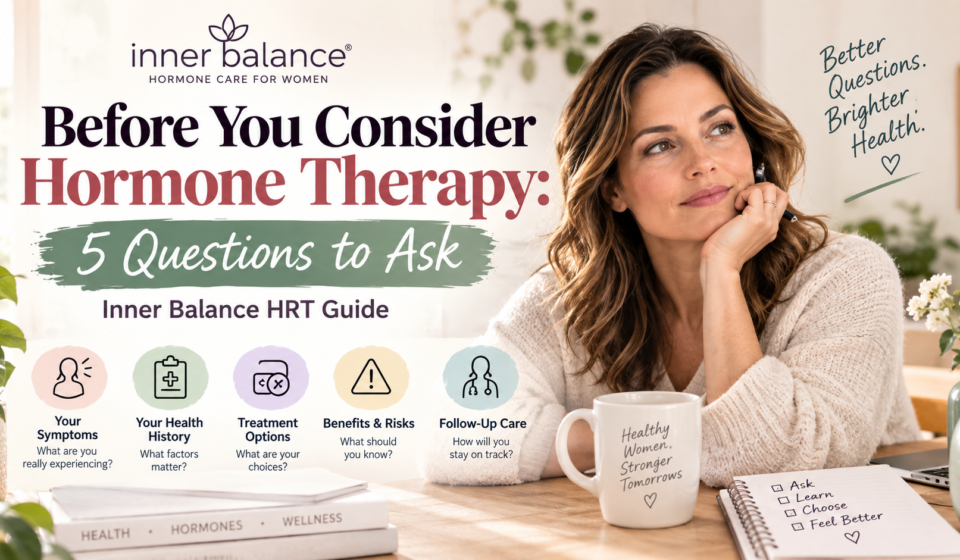
- 5 Questions to Ask Before Starting Hormone Therapy
- 1. What symptoms am I actually trying to treat?
- 2. Could my life stage or health history affect the decision?
- 3. What treatment options are available?
- How Inner Balance Fits Into the Conversation
- 4. What are the potential benefits and risks for me?
- 5. What should follow-up look like?
- Pros and Cons to Consider
- Save More on Every Order – Grab the Latest Coupons & Deals
- Frequently Asked Questions
- What should I ask my doctor before starting HRT?
- Is hormone therapy safe for everyone?
- What symptoms can hormone therapy help?
- Does Inner Balance offer prescription HRT?
- Should I choose hormone therapy based only on a symptom checklist?
- Related Resources
- Conclusion
Considering hormone therapy can raise a lot of questions, especially when symptoms such as hot flashes, sleep changes, mood changes, vaginal discomfort, or other menopause-related concerns begin affecting everyday life. Hormone therapy can be an effective treatment option for some menopause symptoms, but it is not appropriate for everyone. The right choice depends on factors such as your symptoms, age, health history, treatment goals, and potential risks. The Menopause Society recommends discussing individual benefits and risks with a healthcare professional rather than making the decision based on symptoms alone. Before considering treatment through a provider such as Inner Balance, preparing a few specific questions can make a healthcare conversation more productive and help you understand your options.
Save More on Every Order – Grab the Latest Coupons & Deals
Why Ask Questions Before Hormone Therapy?
Hormone therapy is not one-size-fits-all, and estrogen or progestogen can come in different forms. The right option depends on your symptoms and individual medical circumstances.
A good consultation should give you enough information to understand what a proposed treatment is intended to do, what alternatives exist, and what monitoring or follow-up may be needed.

5 Questions to Ask Before Starting Hormone Therapy
1. What symptoms am I actually trying to treat?
Start with the reason you are considering treatment. Are you primarily concerned about hot flashes and night sweats? Sleep disruption? Vaginal dryness? Mood changes? Several symptoms at once?
Writing down your symptoms, when they started, how frequently they occur, and how they affect your daily life can help provide useful context during an appointment.
Hormone therapy is commonly used to treat bothersome menopause symptoms, particularly vasomotor symptoms such as hot flashes and night sweats.
2. Could my life stage or health history affect the decision?
Perimenopause and menopause can produce changing symptoms, but other health conditions can sometimes cause similar problems. Your clinician may need to consider your menstrual history, age, previous diagnoses, medications, surgeries, and family or personal medical history.
Your health history is especially important because hormone therapy may not be appropriate for everyone. The Menopause Society identifies conditions including certain cancers, unexplained uterine bleeding, liver disease, blood-clot history, and cardiovascular disease as situations requiring particular caution or avoidance.
3. What treatment options are available?
Ask your clinician to explain the available approaches rather than focusing on one product immediately. Depending on your symptoms and circumstances, options may include systemic hormone therapy, lower-dose local treatments, nonhormonal treatments, or lifestyle measures.
It is also useful to ask why one delivery method is being recommended over another. Understanding the differences between oral, transdermal, and vaginal approaches can help you have a more informed discussion.
How Inner Balance Fits Into the Conversation
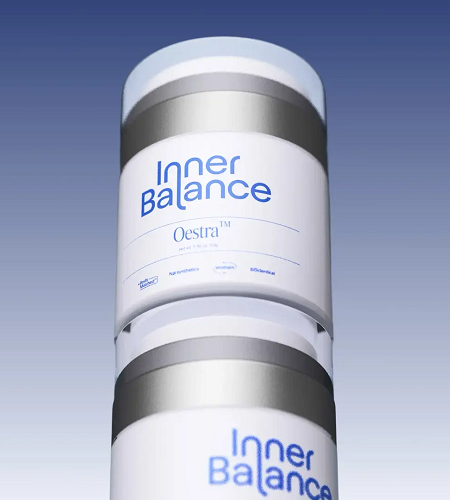
Inner Balance offers prescription-based hormone care for women. Its Oestra® product is described on the company website as a daily vaginal cream containing bioidentical estradiol and micronized progesterone. The company says treatment is clinician-approved, compounded through a licensed U.S. pharmacy, and supported by ongoing clinical follow-up.
These are provider-specific product claims, so they should be considered alongside independent medical guidance and your own health circumstances.
4. What are the potential benefits and risks for me?
This is one of the most important questions to ask. A treatment may offer meaningful symptom relief for some women, but potential risks vary according to the type of hormone therapy and individual health factors.
The Menopause Society notes that hormone therapy can increase risks such as stroke and blood clots in certain circumstances, while also explaining that benefits may outweigh risks for some women.
Ask your clinician:
- What benefits are realistic for my symptoms?
- What side effects should I watch for?
- Does my medical history change the risk?
- Are there nonhormonal alternatives?
- How will we know whether treatment is working?
5. What should follow-up look like?
Starting treatment should not be the end of the conversation. Ask how often you should check in, what symptoms should be reported, and whether your treatment may need adjustment.
Inner Balance states that its Oestra® treatment includes clinician review, ongoing support, and dose adjustments when needed. Your actual care plan, however, should be determined by the licensed clinician responsible for your treatment.
Pros and Cons to Consider
Potential advantages of discussing hormone therapy:
- May provide an option for bothersome menopause symptoms.
- Allows treatment choices to be considered alongside personal health history.
- Creates an opportunity to compare hormonal and nonhormonal approaches.
- Clinician follow-up can help monitor symptoms and treatment response.
Important considerations:
- Hormone therapy is not suitable for every woman.
- Risks differ by treatment type and individual health factors.
- Symptoms alone do not establish that hormone therapy is necessary.
- Treatment should be discussed with a qualified healthcare professional.
Save More on Every Order – Grab the Latest Coupons & Deals
Frequently Asked Questions
What should I ask my doctor before starting HRT?
Ask about the symptoms being treated, possible benefits and risks, available treatment options, contraindications, side effects, and follow-up requirements.
Is hormone therapy safe for everyone?
No. Individual risks vary, and some women should not use hormone therapy. A clinician should review your medical history before treatment.
What symptoms can hormone therapy help?
Hormone therapy is primarily used for bothersome menopause symptoms such as hot flashes and night sweats and can also be used for certain genitourinary symptoms.
Does Inner Balance offer prescription HRT?
Yes. Inner Balance currently offers Oestra®, which its website describes as prescription bioidentical estradiol and progesterone therapy.
Should I choose hormone therapy based only on a symptom checklist?
No. A symptom checklist can help you prepare for a conversation, but treatment decisions should account for your medical history, symptoms, preferences, and potential risks.
Related Resources
For a more detailed look at the company and its approach to hormone care, see the Inner Balance review and bioidentical hormone therapy guide.
Conclusion
Before starting hormone therapy, the most useful step is to ask informed questions rather than rushing toward a particular treatment. Understanding your symptoms, health history, available options, potential benefits and risks, and follow-up plan can help you have a more productive discussion with a qualified healthcare professional. Inner Balance is one provider offering prescription hormone care, including Oestra®, but whether any hormone treatment is appropriate depends on individual circumstances. Use the five questions in this guide as a starting point for a thoughtful conversation about your options.