

Table Of Content
- 🎉 Save More on Every Order – Grab the Latest Coupons & Deals
- Why Probiotic Mistakes Matter
- 4 Common Probiotic Mistakes
- 1. Ignoring the Strain
- 2. Expecting Instant Results
- 3. Forgetting Consistency
- 4. Not Checking the Label
- How Seeking Health Fits the Topic
- Pros and Cons of Targeted Probiotics
- Pricing and Customer Experience
- 🎉 Save More on Every Order – Grab the Latest Coupons & Deals
- Frequently Asked Questions
- Should probiotics be taken with food?
- How long do probiotics take to work?
- Is a higher CFU probiotic always better?
- Do all probiotics need refrigeration?
- Can everyone take probiotics?
- Related Resources
- Conclusion
Are you taking probiotics wrong? Many people assume that taking a probiotic automatically means they are using it correctly, but the details can matter. Common probiotic mistakes include choosing a product without checking its strains, expecting immediate results, taking it inconsistently, or ignoring label and storage directions. Probiotics are also not interchangeable. Their effects can vary by species and strain, so a product designed for one purpose may differ from another. The NIH notes that probiotic effects can be strain-specific. This guide breaks down four common probiotic mistakes and explains how Seeking Health approaches targeted probiotic formulas.
🎉 Save More on Every Order – Grab the Latest Coupons & Deals
Why Probiotic Mistakes Matter
Probiotic supplements contain different strains, combinations, doses, and delivery systems. Because effects can be strain-specific, a high CFU count alone does not determine which product may suit your needs.
Check the full label for strains, serving size, storage, suggested use, and warnings. If you take medication, are pregnant or breastfeeding, or have a serious illness or weakened immune system, consult a healthcare professional.
4 Common Probiotic Mistakes
1. Ignoring the Strain
“Probiotic” is a broad category, not a single ingredient. Different strains may have different studied uses and characteristics. The NIH specifically notes that probiotic effects can be species- and strain-specific.
Choosing a supplement simply because it contains probiotics may not be enough. Check the organisms listed on the label and consider whether the formulation matches your reason for using a probiotic.
2. Expecting Instant Results
Another common mistake is assuming a probiotic should produce an obvious change immediately. Individual responses can vary, and effects are not identical across products or people.
Follow the product’s suggested use and pay attention to how you respond. If symptoms persist or worsen, speak with a healthcare professional rather than increasing the dose yourself.
3. Forgetting Consistency
Taking a probiotic occasionally can make it difficult to follow the intended routine. Consistency can also help you understand how your body responds to a specific product.
Create a practical routine and follow the manufacturer’s directions. Do not assume every probiotic should be taken at the same time or in the same way.
4. Not Checking the Label
The label can provide details that are easy to overlook, including strain names, CFU information, serving size, storage instructions, and warnings.
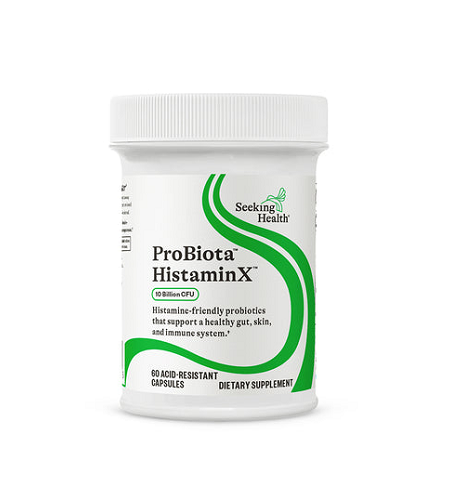
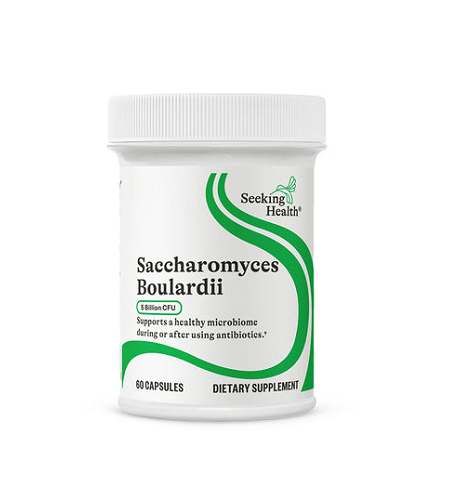
Storage requirements vary. Seeking Health says its Saccharomyces Boulardii does not require refrigeration and should be kept tightly closed in a cool, dry place. Its ProBiota HistaminX directions say to take one capsule upon waking and away from food, as needed. Always follow the directions for the specific product.
How Seeking Health Fits the Topic
Seeking Health offers several probiotic formulas rather than treating all probiotics as interchangeable. Its current collection includes ProBiota HistaminX, ProBiota Bifidobacterium, Saccharomyces Boulardii, and other targeted options.
ProBiota HistaminX is designed as a histamine-friendly probiotic with selected strains and an acid-resistant capsule. Seeking Health recommends one capsule upon waking, away from food, as needed.
ProBiota Bifidobacterium is a different formulation. Seeking Health describes it as a Bifidobacterium-only blend containing seven strains. That distinction shows why the word “probiotic” alone does not tell you what a supplement contains.
Saccharomyces Boulardii is another distinct option. It is a probiotic yeast rather than a bacterial probiotic, and Seeking Health describes it as acid-resistant and temperature-tolerant. The company lists one capsule with food and says refrigeration is not required.
Pros and Cons of Targeted Probiotics
Potential advantages include clearer strain information, formulations built around particular goals, and storage or delivery features that may fit your routine.
The main consideration is that a targeted formula is not automatically right for everyone. Probiotic research cannot always be generalized from one strain or product to another, and costs vary between formulas.
Pricing and Customer Experience
At the time of research, Seeking Health lists ProBiota HistaminX from $42, ProBiota Bifidobacterium from $49, and Saccharomyces Boulardii from $23. Prices can change, so check the official product pages before ordering. The store also displays customer ratings and product reviews, but these are customer experiences rather than clinical evidence.
🎉 Save More on Every Order – Grab the Latest Coupons & Deals
Frequently Asked Questions
Should probiotics be taken with food?
It depends on the product. Follow the manufacturer’s directions rather than applying one rule to every probiotic.
How long do probiotics take to work?
There is no single timeline for all probiotics. Effects can vary by strain, product, and individual response.
Is a higher CFU probiotic always better?
No. CFU count is only one part of a formula. Strain identity, formulation, and intended use also matter.
Do all probiotics need refrigeration?
No. Storage requirements vary. Some products are designed to be shelf-stable, while others have different instructions.
Can everyone take probiotics?
Probiotics are generally low-risk for healthy people, but the NIH notes that serious infections have occurred rarely, particularly among severely ill or immunocompromised people. Ask a healthcare professional if that applies to you.
Related Resources
For a broader overview of the brand’s formulas, see the Seeking Health supplements review covering Prenatal, Histamine Block, ProBiota HistaminX, and more.
Conclusion
The main lesson from “Are You Taking Probiotics Wrong?” is that probiotics are not one-size-fits-all. Checking the strain, following suggested use, staying consistent, and reading storage and warning information can help you use a product more thoughtfully. Seeking Health offers targeted options including ProBiota HistaminX, ProBiota Bifidobacterium, and Saccharomyces Boulardii. If you are comparing formulas, review current labels and directions on the official Seeking Health store and choose based on your individual needs and professional advice when appropriate.