Table Of Content
- Save More on Every Order – Grab the Latest Coupons & Deals
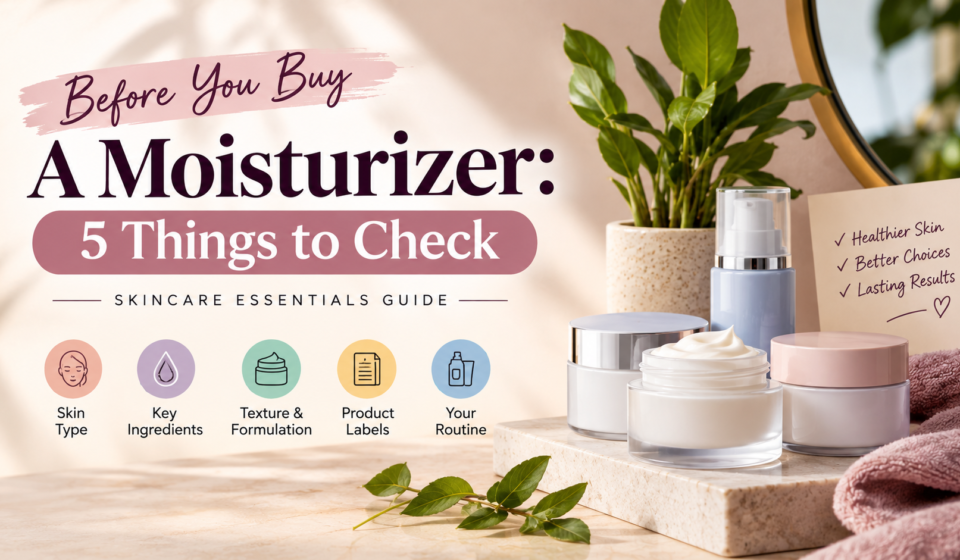
- 1. Check Your Skin Type
- 2. Look at the Ingredients
- 3. Consider the Texture and Formulation
- 4. Read the Product Labels Carefully
- 5. Check Whether It Fits Your Routine
- Exploring Moisturizer Options at Skincare Essentials
- Pros and Cons of Shopping This Way
- Save More on Every Order – Grab the Latest Coupons & Deals
- Frequently Asked Questions
- How do I choose a moisturizer for my skin type?
- What ingredients are good to look for in a moisturizer?
- Is moisturizer necessary for oily skin?
- Should moisturizer be applied before sunscreen?
- Can one moisturizer work for everyone?
- Related Resources
- Conclusion
Choosing a moisturizer sounds simple until you face shelves filled with creams, gels, lotions, serums, and products promising different skincare benefits. Before you buy a moisturizer, it helps to understand what your skin actually needs rather than choosing based only on packaging or popularity. A suitable moisturizer can help maintain hydration and support the skin barrier, but the right formula depends on factors such as skin type, texture, ingredients, and how you plan to use it. The American Academy of Dermatology notes that moisturizers vary considerably and that skin type should guide your choice. Skincare Essentials offers a broad moisturizer collection organized around skin types, ingredients, concerns, and formulations, making it useful for comparing options after you know what to look for.
Save More on Every Order – Grab the Latest Coupons & Deals:
1. Check Your Skin Type
Your skin type is one of the most important factors to consider before buying a moisturizer. Dry skin often benefits from richer creams or ointments, while oily skin may feel more comfortable with lightweight gels or lotions. Combination skin can require a balanced approach, especially when the T-zone becomes oily while other areas feel dry.
If your skin is sensitive, pay closer attention to the formula and consider fragrance-free options. For acne-prone skin, labels such as “oil-free” or “non-comedogenic” can help narrow your choices.
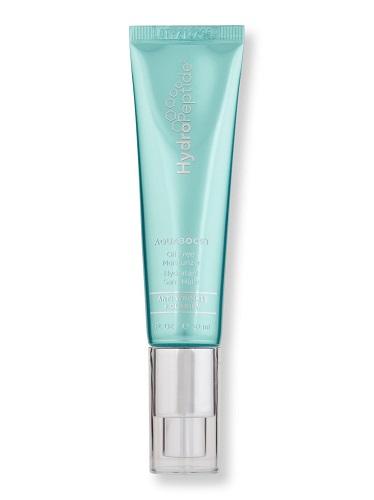
Skincare Essentials makes this comparison easier by offering moisturizer filters for dry, oily, sensitive, combination, normal, mature, and acne-prone skin.
2. Look at the Ingredients
The ingredient list can tell you more than a product’s front label. Common moisturizing ingredients include humectants, which help attract water, and ingredients such as ceramides that can support the skin barrier.
Hyaluronic acid, glycerin, and ceramides are examples worth recognizing when comparing moisturizers. Skincare Essentials specifically highlights ingredients such as hyaluronic acid, ceramides, glycerin, peptides, antioxidants, and shea butter across its skincare selection.
The goal is not to choose the longest ingredient list. Instead, consider which ingredients make sense for your skin concerns and whether the overall formula is comfortable enough for regular use.
3. Consider the Texture and Formulation
Texture matters because a moisturizer needs to fit naturally into your routine. Gels are generally lighter than lotions, while creams contain more oil and tend to provide a richer feel. Ointments are typically the thickest option.
Think about when you’ll use the product. A lightweight formula may be easier to layer during the day, while a richer cream may feel more appropriate when your skin needs comfort.
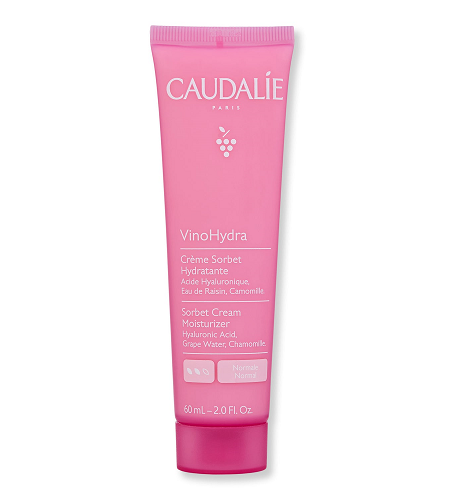
Skincare Essentials categorizes moisturizers and skincare products by formulations including cream, gel, serum, liquid, oil, balm, mist, and spray. This makes texture an important comparison point rather than an afterthought.
4. Read the Product Labels Carefully
Marketing terms can sound reassuring, but it is important to understand what they mean. For example, “non-comedogenic” is commonly used for products designed not to clog pores, while “fragrance-free” can be useful for people concerned about fragrance-related irritation.
The American Academy of Dermatology recommends considering labels such as non-comedogenic for acne-prone skin and fragrance-free products for sensitive skin.
Also look at whether the moisturizer is intended for your skin type and whether it fits your routine. If you are selecting a daytime product, remember that moisturizer does not automatically replace sunscreen unless the product specifically provides appropriate broad-spectrum SPF protection.
5. Check Whether It Fits Your Routine
A moisturizer is most useful when it works with the rest of your skincare routine. Consider the products you already use, including cleansers, serums, treatments, exfoliants, and sunscreen.
Applying moisturizer after cleansing can help seal in water while the skin is still damp. Skincare Essentials also recommends moisturizing after cleansing and explains that moisturizer can be layered after treatment products.
Think about consistency, too. A moisturizer that feels pleasant and fits your routine may be easier to use regularly than one that feels too heavy, greasy, drying, or uncomfortable.
Exploring Moisturizer Options at Skincare Essentials
Once you know your skin type, preferred texture, and ingredient priorities, comparing products becomes much easier. Skincare Essentials currently lists moisturizers from brands including Obagi, ALASTIN, ZO Skin Health, PCA Skin, SkinCeuticals, SkinMedica, and others. Its moisturizer collection can also be filtered by concerns, ingredients, formulation, skin type, and price.
Examples currently listed include Obagi Hydrate®, ALASTIN Restorative Skin Complex, ALASTIN Ultra Nourishing Moisturizer, Obagi Hydrate Luxe®, and ZO Skin Health Hydrating Creme. Availability and pricing can change, so checking the current product page is the most reliable way to compare options.
Pros and Cons of Shopping This Way
Pros:
- Helps match moisturizer choices to your skin type.
- Encourages ingredient-based comparison.
- Makes texture and formulation easier to evaluate.
- Can reduce impulse purchases based only on marketing.
Cons:
- Ingredient lists can still be confusing for beginners.
- The same formula may feel different across skin types.
- Current prices and availability can change.
- Sensitive or persistent skin concerns may require professional guidance.
Save More on Every Order – Grab the Latest Coupons & Deals:
Frequently Asked Questions
How do I choose a moisturizer for my skin type?
Start by identifying whether your skin is dry, oily, combination, normal, sensitive, or acne-prone. Then compare formulas designed for that category.
What ingredients are good to look for in a moisturizer?
Hyaluronic acid, glycerin, and ceramides are commonly used moisturizing ingredients. Your choice should still depend on your individual skin needs.
Is moisturizer necessary for oily skin?
Oily skin can still become dehydrated. Lightweight, oil-free, or non-comedogenic formulas may be more suitable for people concerned about excess shine or clogged pores.
Should moisturizer be applied before sunscreen?
Generally, moisturizer is applied before sunscreen in a morning routine unless the product is specifically formulated as a moisturizer with appropriate sun protection.
Can one moisturizer work for everyone?
Not necessarily. Dermatology guidance emphasizes that moisturizer selection should take skin type and dryness into account.
Related Resources
For a broader routine-building approach, explore this guide to a simple skincare routine with Skincare Essentials: Skincare Essentials Simple Skincare Routine Guide
Conclusion
Before you buy a moisturizer, focus on five practical checks: your skin type, the ingredients, the texture, the product labels, and how well the formula fits your existing routine. These factors can make moisturizer shopping more intentional and help you compare products based on your actual skincare needs rather than marketing alone. Skincare Essentials provides a wide selection of moisturizers and useful filtering options for different skin types, concerns, ingredients, and formulations. If you are ready to compare current options, explore the official Skincare Essentials moisturizer collection and choose a formula that makes sense for your routine.