Table Of Content
- Window Blinds vs. Window Shades: What’s the Difference?
- The Most Popular Types of Blinds for Windows
- 1. Roller Blinds & Roller Shades
- 2. Roman Shades & Roman Blinds
- 3. Vertical Blinds
- 4. Venetian Blinds
- 5. Cellular Shades (Honeycomb Blinds)
- Core Materials: Real Wood, Faux Wood, and Fabric
- Faux Wood Blinds vs. Real Wood
- Premium Upgrades: Motorization and Customization
- Motorized Blinds & Smart Shades
- Cordless and Top-Down Bottom-Up Options
- Top Window Treatment Brands to Consider
- How to Buy Blinds: Online vs. Local Retailers
- Buying Blinds Online
- Buying Local
- Frequently Asked Questions (FAQs)
- 1. What is the difference between room darkening and blackout blinds?
- 2. How do I clean and maintain my window blinds?
- 3. Are motorized blinds worth the extra investment?
- 4. How do I accurately measure my windows for custom blinds?
- 5. Can I install window treatments without drilling into my frames?
- Final Thoughts: Transforming Your Living Space
Meta Description: Looking for the best window blinds and shades? Read our ultimate guide to choosing custom, roller, roman, and motorized window treatments for your home.
The Ultimate Guide to Window Blinds and Shades: How to Choose the Perfect Window Treatments for Your Home
Windows are the eyes of your home, but without the right coverings, they can leave your space feeling exposed, blindingly bright, or structurally unfinished. Choosing the right blinds for windows isn’t just about blocking out the sun; it’s about balancing privacy, enhancing your interior decor, controlling incoming light, and even upgrading your home’s energy efficiency.
With hundreds of styles available—ranging from classic roller blinds and elegant roman shades to high-tech motorized blinds—shopping for the perfect window treatments can easily feel overwhelming.
Should you opt for the organic warmth of wooden blinds, the durability of faux wood blinds, or the sleek look of modern window shutters?
This comprehensive buyer’s guide breaks down everything you need to know about window shades and blinds. We will explore the different types of window treatments, compare top brands like Hunter Douglas blinds and Levolor blinds, and help you figure out exactly how to select the best coverings for every room in your house.

Window Blinds vs. Window Shades: What’s the Difference?
Before diving into specific styles, it helps to understand the fundamental difference between standard window blinds and fabric shades. While people often use the terms interchangeably, they function quite differently.
- Window Blinds: These feature hard structural slats or panels that can be tilted, raised, or lowered. They give you precise control over light angles because you can adjust the slats without opening the entire unit. Common materials include wood, metal, plastic, and vinyl.
- Window Shades: These are made from continuous pieces of soft fabric, woven wood, or textured materials. Instead of tilting, they roll up, stack, or fold away cleanly when pulled up via a cord or motor mechanism.
The Most Popular Types of Blinds for Windows
Choosing the right style depends on your aesthetic preferences, functionality needs, and budget constraints. Let’s look at the most popular options available on the market today.
1. Roller Blinds & Roller Shades
If your style leans clean and minimalist, roller shades for windows are an excellent baseline choice. They consist of a single piece of fabric wrapped around a rolling casing mechanism, allowing them to fit tightly against your window casing. They work beautifully as kitchen blinds or behind drapery panels.
2. Roman Shades & Roman Blinds
Roman shades bring a classic, tailored elegance to spaces like dining rooms and master bedrooms. When pulled up, the fabric stacks into soft, horizontal pleats. You can find these in various premium textiles, ranging from breezy linen roman shades to structured, structured custom roman shades that add dimensional architecture to your walls.
3. Vertical Blinds
Perfect for expansive glass installations, vertical blinds for windows feature slats that hang vertically from a top track. They stack neatly to the side rather than pulling upward, making them the default, time-tested solution for patio doors and sliding glass door blinds.
4. Venetian Blinds
Venetian blinds are the classic slatted window treatments we all know. They feature horizontal slats connected by cords or decorative fabric tapes. Available as wooden venetian blinds or metallic options, they offer unparalleled control over light direction and privacy.
5. Cellular Shades (Honeycomb Blinds)
If lowering utility bills is a priority, cellular shades (often called honeycomb blinds) are your best bet. Engineered with a unique accordion structure that traps air in hollow cells, they create a highly effective thermal barrier over window glass.
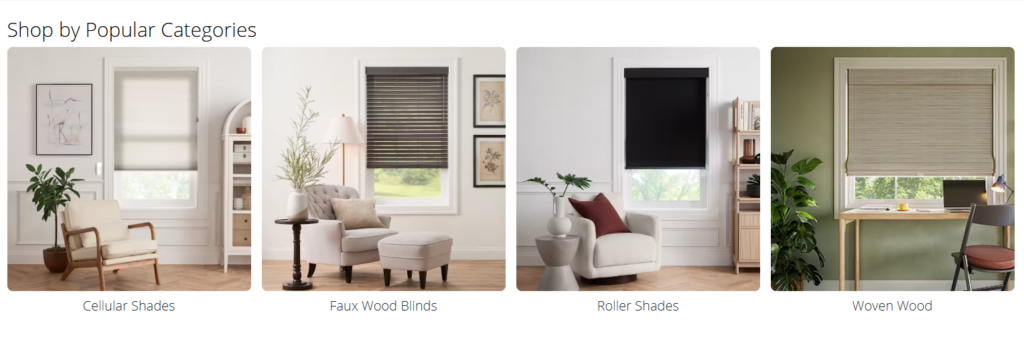
Core Materials: Real Wood, Faux Wood, and Fabric
The material you choose impacts how your window treatments handle moisture, UV light exposure, and everyday wear and tear.
+-------------------+-----------------------------+-------------------------------+
| Material Type     | Best For                    | Pros & Cons                   |
+-------------------+-----------------------------+-------------------------------+
| Real Wood         | Living Rooms, Bedrooms      | + Gorgeous organic texture    |
|                   |                             | - Can warp in high humidity   |
+-------------------+-----------------------------+-------------------------------+
| Faux Wood         | Bathrooms, Kitchens         | + Waterproof and durable      |
|                   |                             | - Heavier than real wood      |
+-------------------+-----------------------------+-------------------------------+
| Fabric / Woven    | Dining Rooms, Nurseries     | + Limitless colors & textures |
|                   |                             | - Harder to wipe clean        |
+-------------------+-----------------------------+-------------------------------+
Faux Wood Blinds vs. Real Wood
Wooden blinds for windows bring an undeniable, high-end organic warmth to living areas. However, natural wood absorbs ambient moisture. For high-humidity spaces, bathroom blinds or kitchen window treatments should utilize faux wood blinds instead. Made from durable PVC or composite materials, they mimic the rich grain of genuine timber but won’t warp, crack, or split when exposed to water or steam.
Premium Upgrades: Motorization and Customization
Standard corded operations are rapidly being phased out for safer, cleaner, and smarter alternatives.
Motorized Blinds & Smart Shades
Imagine scheduling your window coverings to lift automatically at sunrise or lowering your high-reach skylight blinds with a single voice command. Motorized shades and electric blinds integrated with smart home ecosystems (like Lutron shades or Somfy blinds) offer incredible everyday convenience and seamless luxury.
Cordless and Top-Down Bottom-Up Options
For households with curious toddlers or pets, cordless blinds are essential for eliminating dangerous strangulation hazards. If you want to maintain eye-level privacy while letting natural sunlight stream over the top of your windows, look into top down bottom up shades.
Top Window Treatment Brands to Consider
- Hunter Douglas Blinds: The gold standard in high-end innovation. They are famous for luxury products like Hunter Douglas silhouette shaders and energy-efficient duette shades.
- Levolor Blinds: Known for dependable durability, mid-tier custom configurations, and excellent cordless lifters.
- Graber Blinds: A reliable favorite for premium fabrics, exceptional cellular blinds, and gorgeous natural woven shades.
- Bali Blinds: A fantastic budget-friendly, highly customizable brand frequently found at major home improvement retailers.
How to Buy Blinds: Online vs. Local Retailers
When shopping for new window coverings, you have two main routes:
Buying Blinds Online
E-commerce shops like SelectBlinds, Blinds2go, and Blindster allow you to input measurements and order custom blinds online right from your couch. This is usually the cheapest way to get high-quality made to measure blinds without premium markup costs.
Buying Local
If you are worried about mismeasuring or want a professional installation, searching for “blinds near me” or “budget blinds near me” will connect you with full-service design consultancies. Retail giants like Home Depot blinds and Lowes blinds also offer reliable measure-and-install services directly to your home.
Frequently Asked Questions (FAQs)
1. What is the difference between room darkening and blackout blinds?
Room darkening options block most incoming sunlight, but some light still leaks along the outer edges. True blackout blinds or blackout shades use opaque fabrics and specialized side tracks to seal out 99% of ambient outside light, making them perfect for bedrooms and nurseries.
2. How do I clean and maintain my window blinds?
For slatted variants like venetian blinds or horizontal blinds, regular dusting with a microfiber cloth or vacuum brush attachment works wonders. Fabric styles like roman blinds can be gently spot-cleaned with damp cloths and mild soap. Never submerge real wood products in water.
3. Are motorized blinds worth the extra investment?
Yes, especially for hard-to-reach installations like skylight window panes or wide patio door blinds. They also reduce wear-and-tear from manual pulling, keeping your custom window coverings functional for much longer.
4. How do I accurately measure my windows for custom blinds?
Always use a metal measuring tape. Measure the width and height at three distinct points (top, middle, bottom) and use the narrowest dimensions for an inside mount. If you plan on doing an outside mount, measure the exterior molding edge to edge.
5. Can I install window treatments without drilling into my frames?
Absolutely. Look for specialized no drill blinds or click-fit tension brackets. These use high-strength tension mechanisms to securely mount inside your window frame without leaving holes behind—ideal for renters!
Final Thoughts: Transforming Your Living Space
Upgrading your window treatments is one of the fastest, most impactful ways to elevate your home’s interior design and daily comfort. Whether you prefer the organic aesthetic of bamboo shades, the minimalist profile of roller blinds for windows, or the sheer luxury of smart electric blinds for windows, finding the perfect fit comes down to matching your room’s specific needs with your personal style.
Take accurate measurements, order a few physical material swatches online, and invest in a window covering layout that will make coming home feel truly complete.