
Table Of Content
- Save More on Every Order – Grab the Latest Coupons & Deals
- Why Your Gut Microbiome Matters
- 7 Practical Gut Health Tips to Try
- 1. Eat More Fiber-Rich Foods
- 2. Include a Variety of Plant Foods
- 3. Consider Fermented Foods
- 4. Stay Hydrated
- 5. Eat Regular, Balanced Meals
- 6. Support Sleep and Physical Activity
- 7. Notice Your Individual Food Responses
- Why Consider Viome for Gut Health Insights?
- How Viome Fits Into a Gut Health Routine
- Pricing and Shipping
- Pros and Cons of Microbiome Testing
- Save More on Every Order – Grab the Latest Coupons & Deals
- Frequently Asked Questions
- What are the best foods for gut health?
- How can I improve my gut microbiome naturally?
- Can a gut microbiome test diagnose digestive problems?
- What does Viome’s Gut Intelligence Test provide?
- Is a gut health test necessary for everyone?
- Conclusion
Your digestive system does more than process food. It contains a diverse community of microorganisms that interact with your diet, digestion, and overall well-being. Understanding your gut microbiome can help you make more informed choices about what you eat and how you care for your body. If you experience occasional bloating, irregular digestion, or simply want to improve your everyday nutrition, practical gut health tips are a useful starting point.
A balanced approach begins with varied, fiber-rich foods, consistent eating habits, hydration, and attention to how different meals make you feel. For people interested in more individualized insights, Viome offers at-home microbiome testing and personalized food recommendations. Combining everyday healthy habits with a better understanding of your nutritional needs can help you develop a more thoughtful approach to gut health.
Save More on Every Order – Grab the Latest Coupons & Deals
Why Your Gut Microbiome Matters
The gut microbiome is a community of microorganisms that support digestion and metabolism. Its composition can change with diet and lifestyle, making fiber-rich foods and balanced eating habits important for gut health.
However, there is no single ideal diet for everyone. Your preferences, food tolerances, existing health conditions, and nutritional needs all matter.

7 Practical Gut Health Tips to Try
1. Eat More Fiber-Rich Foods
Fiber provides nourishment for certain gut microorganisms and supports normal bowel function. Consider adding oats, beans, lentils, berries, vegetables, nuts, seeds, and whole grains to your meals.
Increase fiber gradually rather than making a sudden, dramatic change. This can help reduce the chance of uncomfortable gas or bloating.
2. Include a Variety of Plant Foods
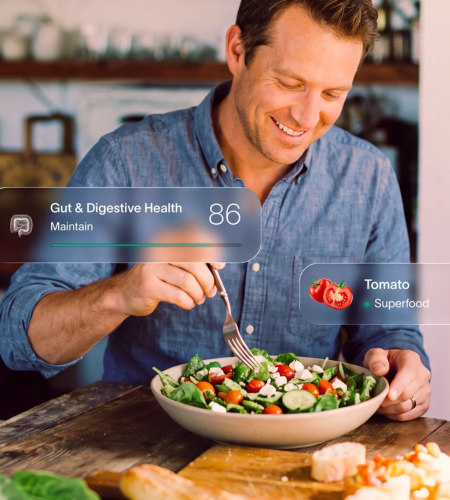
Different plant foods provide different types of fiber and other nutrients. Instead of relying on one so-called superfood, rotate fruits, vegetables, legumes, whole grains, nuts, and seeds throughout the week.
Variety is a practical way to broaden your nutritional intake without following an unnecessarily restrictive diet.
3. Consider Fermented Foods
Foods such as plain yogurt with live cultures, kefir, and some fermented vegetables can be part of a varied diet. Their microorganisms and nutritional profiles differ, so check product labels and choose options that suit your preferences and tolerance.
Fermented foods are not a guaranteed solution for digestive symptoms, and individual responses can vary.
4. Stay Hydrated
Water supports normal digestion and works alongside dietary fiber to help maintain regular bowel movements. Keep water accessible during the day and adjust your intake to your activity level, climate, and individual medical needs.
5. Eat Regular, Balanced Meals
Build meals around a combination of vegetables or fruit, fiber-rich carbohydrates, protein, and healthy fats. Eating slowly and paying attention to fullness may also help you recognize patterns in your eating habits.
You do not need to eliminate entire food groups unless there is a specific medical or nutritional reason to do so.
6. Support Sleep and Physical Activity
Regular physical activity and consistent sleep routines are useful parts of an overall healthy lifestyle. Rather than expecting one habit to transform your microbiome, focus on routines you can maintain comfortably over time.
7. Notice Your Individual Food Responses
Keep a simple food and symptom diary if you want to understand patterns involving bloating, bowel habits, or discomfort. Record meals, approximate portions, symptoms, and timing.
Avoid removing multiple foods based on guesswork. Persistent symptoms deserve professional assessment rather than relying exclusively on a food diary or microbiome test.
Why Consider Viome for Gut Health Insights?
Generic nutrition advice can be a useful starting point, but people sometimes want information that is more specific to their own biology. Viome aims to address this interest through microbiome analysis and personalized recommendations.
The Gut Intelligence Test is worth exploring if you are curious about your gut microbiome and want additional guidance for food choices. Its advertised features include:
- At-home stool sample collection.
- Personalized gut health scores.
- Food recommendations tailored to test results.
- Access to results and recommendations through the Viome app.
- The option to explore personalized gut-support products separately.
You can review the test details directly on the official Viome Gut Intelligence Test page.
How Viome Fits Into a Gut Health Routine
Viome offers at-home testing designed to provide information about microbial activity and personalized nutrition. Its Gut Intelligence Test focuses on the gut microbiome and provides health scores and individualized food recommendations.
The general process involves ordering a test kit, collecting a sample at home, returning it for laboratory analysis, and reviewing the resulting insights. Viome describes its approach as analyzing microbial gene activity using RNA-based methods.

These insights may give you another way to explore your nutrition choices. However, a microbiome report should not be treated as a definitive diagnosis, and its recommendations do not replace medical advice.
Pricing and Shipping
Viome’s listed prices and promotional offers may change. The official product listing has displayed the Gut Intelligence Test at $279 before a promotional reduction to $209, but you should confirm the current price, availability, shipping eligibility, and any additional product costs before ordering. The product page has also advertised free US shipping, which should not be assumed to apply internationally.
If you live outside the United States, check whether Viome ships to your location and whether any additional charges or sample-return restrictions apply.
Pros and Cons of Microbiome Testing
Potential advantages
- Provides more individualized information than general dietary guidance alone.
- May help you explore food choices and nutritional patterns.
- Offers a structured way to review certain microbiome-related measures.
- Can complement a broader effort to build sustainable wellness habits.
Things to consider
- Testing may be expensive compared with starting with basic dietary changes.
- Results do not guarantee improvements in digestion or other health outcomes.
- Personalized recommendations should be evaluated alongside your nutritional needs and medical history.
- Ongoing personalized products may involve additional costs.
For many people, the most useful first steps are still affordable habits such as eating a variety of plant foods, drinking enough water, and maintaining regular activity.
Save More on Every Order – Grab the Latest Coupons & Deals
Frequently Asked Questions
What are the best foods for gut health?
Fiber-rich foods such as oats, beans, lentils, fruits, vegetables, nuts, and whole grains are useful choices. A varied diet is generally more practical than depending on one particular food.
How can I improve my gut microbiome naturally?
Start by gradually increasing dietary fiber, eating a variety of plant foods, staying hydrated, exercising regularly, and maintaining a consistent sleep routine. Individual needs vary.
Can a gut microbiome test diagnose digestive problems?
A consumer microbiome test should not be treated as a diagnostic tool. Consult a qualified healthcare professional if you have persistent digestive symptoms or concerns about a possible medical condition.
What does Viome’s Gut Intelligence Test provide?
Viome describes its test as an at-home gut microbiome assessment that provides personalized health scores and food recommendations based on its analysis. Review the official product page for the current features.
Is a gut health test necessary for everyone?
No. Many people can begin with practical dietary and lifestyle habits without purchasing a test. Testing is an optional way to explore additional information, not a requirement for maintaining a balanced diet.
Conclusion
Understanding your gut microbiome starts with consistent, realistic habits. Prioritize fiber-rich foods, dietary variety, hydration, regular activity, and attention to your individual food responses. Avoid extreme restrictions or promises of quick results.
If you want more personalized nutrition insights, Viome’s Gut Intelligence Test offers another way to explore microbiome-related information and food recommendations. Consider its features, limitations, and cost before deciding whether it fits your needs.
Explore the official Viome website to review its available tests and make an informed decision about your next step in gut health education.