Table Of Content
- ✨ Unlock Special Offers & Discounts
- Why Gym Bag Organization Matters
- 7 Practical Tips to Organize Your Gym Bag
- 1. Start With Your Essential Gym Gear
- 2. Separate Shoes From Clean Clothing
- 3. Use Small Compartments for Accessories
- 4. Pack Clothes and Towels Separately
- 5. Keep Your Water Bottle Easily Accessible
- 6. Protect Your Electronics and Valuables
- 7. Clean and Reset Your Gym Bag Regularly
- How KNKG Fits Into a Better Gym Bag Organization Routine
- What to Consider When Choosing a Gym Bag
- 💎 Special Offers & Incredible Savings
- Frequently Asked Questions
- 1. What should you keep in your gym bag?
- 2. How do you keep your gym bag from smelling?
- 3. Should gym shoes have a separate compartment?
- 4. How often should you clean your gym bag?
- 5. Are gym bags with multiple compartments worth it?
- 6. Which KNKG gym bag is suitable for better organization?
- Related Resources
- Conclusion
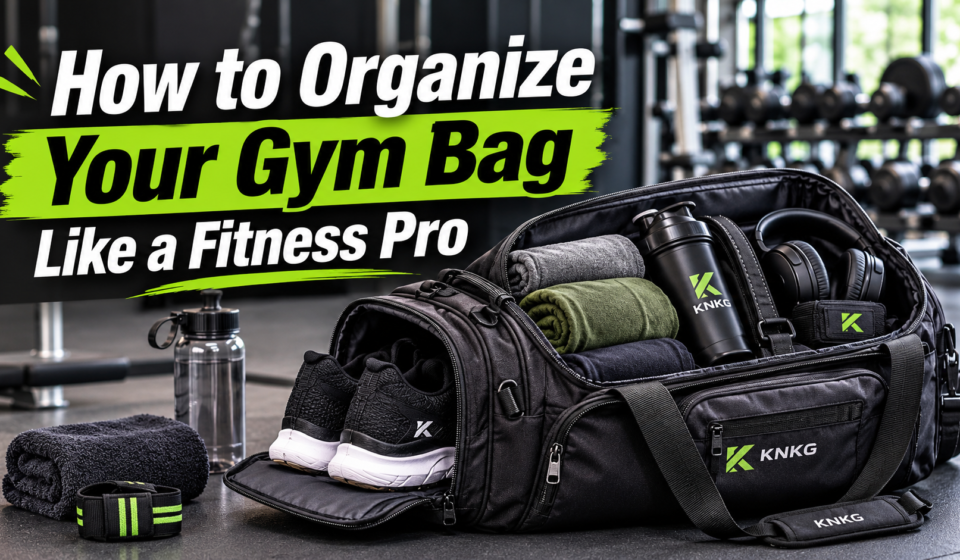
A well-organized gym bag can make your workout routine easier, more comfortable, and less stressful. Instead of searching through tangled headphones, misplaced accessories, sweaty clothes, and water bottles, you can keep everything in its proper place. Learning how to organize your gym bag like a fitness pro starts with choosing the right essentials, separating different types of gear, and creating a packing routine that works for your training schedule.
Whether you visit the gym every morning, lift weights after work, or combine different fitness activities, a thoughtful organization system saves time and keeps your belongings easier to manage. Dedicated compartments and practical storage solutions from KNKG can also help make everyday gym packing more convenient.
✨ Unlock Special Offers & Discounts
Why Gym Bag Organization Matters
An unorganized gym bag can quickly become frustrating. Shoes may mix with clean clothes, small accessories can disappear underneath larger items, and used towels may leave other belongings damp.
Good organization helps you:
- Find workout accessories without unpacking everything.
- Keep shoes separate from clean clothing.
- Protect personal electronics and valuables.
- Carry essential training equipment more efficiently.
- Make post-workout packing and cleaning easier.
The goal is not to carry more equipment. It is to make better use of the space you already have.
7 Practical Tips to Organize Your Gym Bag
1. Start With Your Essential Gym Gear
Before packing, identify what you genuinely need for your workout. Your list will depend on your training style, but common essentials include:
- Workout clothes and an extra pair of socks.
- Training shoes.
- A clean towel.
- Water bottle or shaker.
- Headphones.
- Resistance bands or lifting accessories.
- Personal care products.
Avoid carrying unnecessary items that take up valuable storage space. Keeping your everyday packing list consistent also makes it easier to prepare your bag before leaving home.
2. Separate Shoes From Clean Clothing
Shoes are among the most important items to organize because their soles can carry dirt and moisture from gym floors and outdoor surfaces.
Use a dedicated shoe compartment or a separate washable shoe pouch. After training, allow footwear to air out before storing it for an extended period.
Some KNKG gym bags feature dedicated shoe storage designed to separate footwear from the main compartment. The PLUS Duffel, for example, includes internal shoe zones, making it useful for people who regularly carry training shoes or multiple pairs of footwear. KNKG+1
3. Use Small Compartments for Accessories
Smaller gym essentials are easy to lose when everything shares one large compartment.
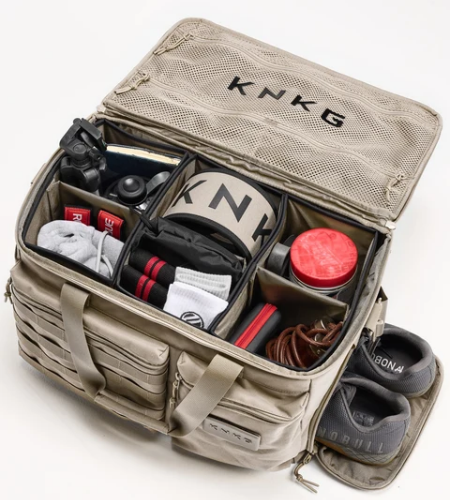
Keep items such as wrist wraps, lifting straps, resistance bands, earbuds, and keys in separate pockets. You can also group similar accessories inside small organizers.
A simple system works well:
- One section for lifting accessories.
- One pocket for electronics.
- One space for personal essentials.
- One compartment for frequently used items.
This arrangement makes it easier to locate equipment without emptying your entire bag.
4. Pack Clothes and Towels Separately
Clean clothing should remain separate from used workout clothes and damp towels.
Pack your fresh clothes in a lightweight packing cube or reusable pouch. After exercising, place used clothing in a separate laundry bag.
Remember to remove damp items when you return home. Leaving sweaty clothing inside a closed gym bag can create unpleasant odors and make cleaning more difficult.
5. Keep Your Water Bottle Easily Accessible
Hydration is an important part of most workout routines, so your water bottle should be easy to reach.
Choose an appropriate side pocket or bottle holder rather than placing an unsecured bottle between clothing and electronics.
KNKG’s CORE and PLUS Duffels offer dual bottle pockets, providing dedicated storage for bottles and helping keep them separate from other belongings. KNKG+1
6. Protect Your Electronics and Valuables
Phones, wallets, headphones, and keys deserve dedicated storage.
Use secure pockets for valuables and keep electronics away from damp towels or used clothing. If you carry a laptop for work or study after training, check whether your gym bag includes a suitable padded laptop compartment.
This is particularly useful for people who travel directly between the gym, office, and other daily activities.
7. Clean and Reset Your Gym Bag Regularly
Organization is not just about packing correctly. Maintaining a clean bag is equally important.
After every workout:
- Remove used clothing and towels.
- Empty food wrappers and disposable packaging.
- Let damp compartments dry.
- Check for forgotten accessories.
- Refill regularly used essentials.
Once a week, inspect the interior and exterior of your bag. Follow the manufacturer’s cleaning instructions to avoid damaging its materials or hardware.
How KNKG Fits Into a Better Gym Bag Organization Routine
Choosing a gym bag with the right storage layout can make organization much easier. KNKG focuses on gym bags and training equipment designed around the practical needs of athletes, weightlifters, and everyday gym-goers.
Its collections include CORE, PLUS, CONQUER, and HERITAGE, offering different storage configurations and designs.
Some relevant options include:
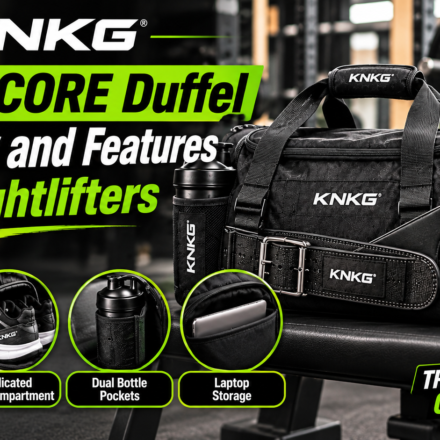
- CORE Duffel: Offers dedicated shoe storage, dual bottle pockets, and an external weightlifting belt attachment.
- PLUS Duffel: Features internal shoe zones, multiple pockets, and dual bottle storage.
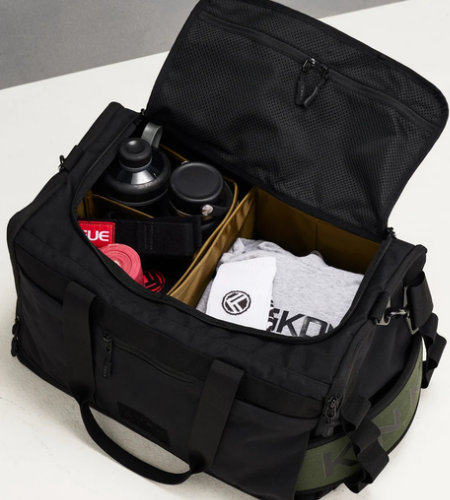
- CONQUER Duffel: Includes removable magnetic dividers, dedicated shoe storage, and a structured interior for customizable organization.
These designs provide different ways to separate workout equipment, clothing, footwear, and personal belongings. KNKG+2
What to Consider When Choosing a Gym Bag
Not every gym bag suits every training routine. Before choosing one, consider these factors:
Storage capacity: A smaller bag may work for basic workouts, while weightlifters and athletes carrying additional equipment may need more space.
Compartment layout: Look for separate areas for shoes, clothing, accessories, and valuables.
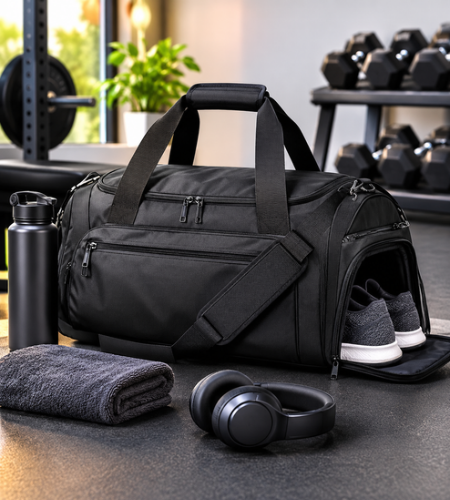
Material quality: Consider durable fabrics, reliable zippers, reinforced construction, and comfortable carrying options.
Organization flexibility: Removable dividers can be useful if your equipment changes between workout sessions.
Cleaning and maintenance: Check whether compartments are easy to access and whether the materials can be cleaned according to the manufacturer’s instructions.
KNKG’s comparison guide provides additional details about differences between its CORE, PLUS, and CONQUER Duffels, helping shoppers compare storage capacity and compartment arrangements before selecting a model. knkg.com+1
💎 Special Offers & Incredible Savings
Frequently Asked Questions
1. What should you keep in your gym bag?
Essential items include workout clothes, training shoes, a towel, a water bottle, headphones, and any accessories required for your exercise routine.
2. How do you keep your gym bag from smelling?
Remove sweaty clothes and damp towels after exercising. Allow the bag and its compartments to dry completely before storing it.
3. Should gym shoes have a separate compartment?
Yes. Separate shoe storage helps prevent dirt from transferring to clean clothing, towels, and other belongings.
4. How often should you clean your gym bag?
Empty it after every workout and perform a more thorough cleaning regularly. Cleaning frequency depends on usage, moisture, and the manufacturer’s care instructions.
5. Are gym bags with multiple compartments worth it?
They can be useful for people carrying different types of equipment. Separate compartments make it easier to organize belongings and access frequently used items.
6. Which KNKG gym bag is suitable for better organization?
The CONQUER Duffel is worth considering if customizable internal dividers are important. The PLUS Duffel is another option for people who prioritize dedicated shoe storage. Your choice should depend on your equipment and preferred storage layout. KNKG+1
Related Resources:
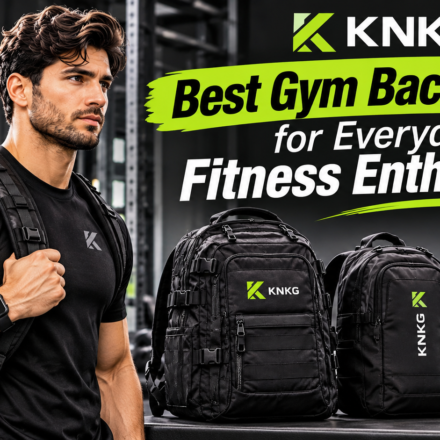
Discover KNKG’s premium gym backpacks, designed for organized storage, everyday training, and active lifestyles. how to choose the right fitness backpack to carry your workout essentials with comfort and convenience.
Conclusion
Learning how to organize your gym bag like a fitness pro is about creating a practical system that keeps workout essentials accessible, clean, and separated. Start with the equipment you actually use, give shoes and clothing their own storage areas, protect smaller accessories, and develop a consistent cleaning routine.
The right bag can make this process easier. KNKG offers several gym bag designs with dedicated storage areas and different organizational features for various training needs. Explore its collections to find a storage solution that complements your workout routine and makes preparing for every gym session simpler.