Table Of Content
- Save More on Every Order – Grab the Latest Coupons & Deals
- Why Hyaluronic Acid for Skin Matters
- How Skincare Essentials Fits the Topic
- What Should You Look for in a Hyaluronic Acid Product?
- Top Hyaluronic Acid Products to Consider
- Pricing, Shipping, and Customer Experience
- Pros and Cons
- Save More on Every Order – Grab the Latest Coupons & Deals
- Frequently Asked Questions
- What does hyaluronic acid do for skin?
- Is hyaluronic acid good for dry skin?
- Should you use hyaluronic acid before moisturizer?
- Can you use hyaluronic acid every day?
- Does hyaluronic acid replace moisturizer?
- Related Resources
- Conclusion
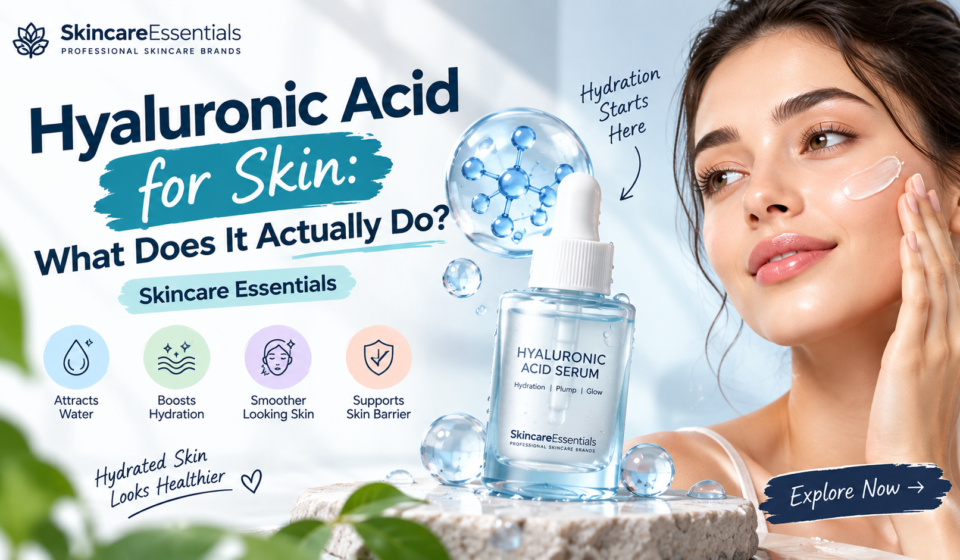
Hyaluronic acid is one of the most recognizable hydration ingredients in skincare, but what does it actually do? In simple terms, hyaluronic acid is a humectant, meaning it helps attract and bind water to the skin. It is naturally found in the body and can help skin look and feel more hydrated, smooth, and supple.
That makes it useful for routines focused on dryness, dehydration, or a more comfortable, plump-looking complexion. However, a hyaluronic acid serum is not automatically a complete moisturizer. It works best as part of a balanced routine that helps hydrate skin and reduce moisture loss. Here is how it works, what to look for, and how Skincare Essentials fits into the search for a suitable product.
Save More on Every Order – Grab the Latest Coupons & Deals:
Why Hyaluronic Acid for Skin Matters
Hyaluronic acid is a humectant. Humectants attract and bind water, helping increase moisture in the outer layer of skin. Cleveland Clinic lists hyaluronic acid among common humectants used in moisturizers for dry skin. It also explains that moisturizers often combine humectants with emollients and occlusives, which help soften skin and reduce moisture loss.
If skin feels tight or dull from dehydration, hyaluronic acid can help boost hydration, but it doesn’t replace your full skincare routine.
Hyaluronic acid can appear in forms such as sodium hyaluronate and hydrolyzed hyaluronic acid. Some formulas combine different forms or molecular sizes. Check the ingredient list rather than choosing based only on the ingredient name.
How Skincare Essentials Fits the Topic
Skincare Essentials carries several products built around hyaluronic acid and hydration, including lightweight serums, gels, and creams. That gives shoppers different textures and formulas to compare.
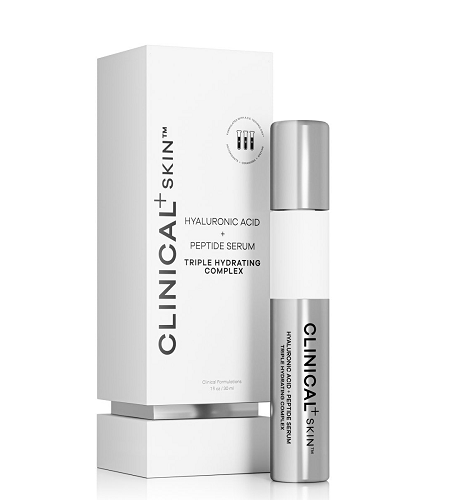
The Clinical Skin Hyaluronic Acid + Peptide Serum is listed at $90 and combines hyaluronic acid with peptides, ceramides, glycerin, antioxidants, and more. Its product page describes immediate and long-lasting hydration and a lightweight, fast-absorbing, non-tacky texture.
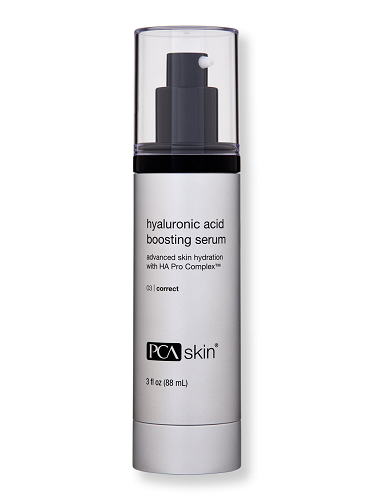
The SkinCeuticals Hydrating B5 Gel is listed at $95. It combines hyaluronic acid with vitamin B5 and is described as an oil-free hydration product with a lightweight gel texture. Skincare Essentials also lists PCA Skin Hyaluronic Acid Boosting Serum, which combines several forms of hyaluronic acid with ceramides and other ingredients.
What Should You Look for in a Hyaluronic Acid Product?
Start with your skin’s needs instead of assuming a higher concentration is automatically better. Consider:
- Texture: A lightweight serum or gel may suit people who dislike heavier products, while a cream may be preferable for a richer moisturizing step.
- Supporting ingredients: Glycerin, ceramides, peptides, and other moisturizing ingredients can complement hyaluronic acid.
- Directions: Some products are intended for morning and evening use, while others have different instructions.
- Existing routine: A simple hydration-focused product can be easier to manage than adding several new actives at once.
- Sensitivity: Check the full ingredient list and patch-test new products when appropriate.
Top Hyaluronic Acid Products to Consider
Clinical Skin Hyaluronic Acid + Peptide Serum. This serum combines hyaluronic acid, peptides, and ceramides to support hydration and the skin barrier.
SkinCeuticals Hydrating B5 Gel — $95. This oil-free gel combines hyaluronic acid and vitamin B5 and is designed for lightweight hydration. It is listed as a 1 fl oz gel.
PCA Skin Hyaluronic Acid Boosting Serum. This serum combines HA-Pro Complex, hyaluronic acid, and ceramides to support hydration and the skin barrier.
Prices and availability can change, so check the official product pages before purchase.
Pricing, Shipping, and Customer Experience
Skincare Essentials provides current pricing and availability on its website. Its shipping information says free shipping is available on most U.S. orders, while qualified weekday orders placed before 2:00 p.m. EST may ship the same day. Typical delivery is listed as 3–5 business days from the ship date.
The store’s return policy states that eligible purchases can generally be returned within 30 days, subject to its conditions. International shoppers should note that free international shipping is not currently offered.
Pros and Cons
Pros
- Multiple hyaluronic acid formats and formulas are available.
- Product pages provide ingredient lists and usage directions.
- Options range from lightweight gels to serum formulas.
- Shipping and return information is provided.
Cons
- Some products are relatively expensive.
- Formulas differ, so comparing ingredient lists is important.
- Free shipping information is primarily stated for U.S. orders.
Save More on Every Order – Grab the Latest Coupons & Deals:
Frequently Asked Questions
What does hyaluronic acid do for skin?
It acts as a humectant that attracts and binds water, helping support skin hydration and a softer, supple appearance.
Is hyaluronic acid good for dry skin?
It can be useful for dry or dehydrated-feeling skin because it helps attract water. For longer-lasting moisturization, pair it with other moisturizing ingredients.
Should you use hyaluronic acid before moisturizer?
Generally, a hydrating serum is applied before moisturizer, but follow the directions for your product.
Can you use hyaluronic acid every day?
Many hyaluronic acid products are designed for daily use, but instructions vary by formula. Follow the product label.
Does hyaluronic acid replace moisturizer?
Not necessarily. Hyaluronic acid is primarily a humectant, while moisturizers may also contain emollients and occlusives that help reduce moisture loss.
Related Resources
For a broader routine, see this simple skincare routine guide to understand where cleansing, treatment, moisturizing, and sun protection can fit together.
Conclusion
So, what does hyaluronic acid actually do? It helps attract and bind water, making it a practical ingredient for hydration-focused skincare. The best choice depends on your skin needs, preferred texture, supporting ingredients, and how the product fits into your routine.
Skincare Essentials offers several hyaluronic acid options, from focused serums to lightweight gels and hydration formulas. Review the ingredient list, directions, current price, and shipping details before choosing. Explore Skincare Essentials to find a hyaluronic acid product that fits your routine.