Table Of Content
- The Story Behind Red Land Cotton: From Farm to Bedroom
- What Makes Red Land Cotton Sheets Unique?
- 1. True Vertical Integration
- 2. The 140 Thread Count Secret
- 3. The “Natural” Difference
- 4. Supporting a Legacy
- Red Land Cotton Products: More Than Just Sheets
- Red Land Cotton Reviews: What Are Customers Saying?
- The Good Stuff (Pros)
- The Caveats (Cons)
- How to Care for Your Red Land Cotton Sheets
- Where to Find Red Land Cotton Sales and Discounts
- Frequently Asked Questions (FAQs) About Red Land Cotton
- Q1: Are Red Land Cotton sheets really made in the USA?
- Q2: Why do Red Land Cotton sheets have a “low” thread count?
- Q3: How do they compare to high-thread-count sateen sheets?
- Q4: Is there a physical store I can visit?
- Q5: What is the “Red Land Cotton Natural” option?
- Q6: Has the company faced any controversy?
- Q7: Are the towels as good as the sheets?
- Final Thoughts: Is Red Land Cotton Worth It?
When I first stumbled across Red Land Cotton, I’ll be honest—I was skeptical. A premium sheet brand grown, ginned, and sewn entirely in the USA? In an era where nearly all textiles are imported, it sounded almost too good to be true.
But after spending time with their products and diving deep into their story, I get it now. Red Land Cotton isn’t just about sheets; it’s about reviving an industry, honoring family heritage, and proving that American manufacturing isn’t dead—it’s just waiting for people like the Yeager family to bring it back to life.
Let’s explore what makes this brand so special, what real customers are saying, and whether those iconic red land cotton sheets are the right investment for your home.
The Story Behind Red Land Cotton: From Farm to Bedroom
Red Land Cotton isn’t the brainchild of some corporate conglomerate. It was born in 2016 on a family farm in North Alabama, where third-generation farmer Mark Yeager had a vision: to create an heirloom-quality bedding line using the high-quality cotton he had been growing for decades .
Mark didn’t want to just sell raw cotton overseas, like 95% of U.S. cotton farmers do. He wanted to control the entire process—to prove that high-quality textiles could be made right here in America.
He partnered with his daughter, Anna Yeager Brakefield, who had moved back from New York City to bring her business expertise and design sensibility to the project. The duo traveled across the South, working with Cotton Incorporated and retired textile experts like Jack Miller to reverse-engineer the classic weave construction and yarn size found in vintage American linens . Their mission was simple: create a product that looked and felt like the sheets your grandmother might have had on her guest bed.
Today, Red Land Cotton has grown from a two-person operation into a company with 36 employees and a 2,500-square-foot facility . They’ve created a 100% U.S.-based supply chain, with cotton spun by Parkdale Mills in Virginia and woven by Milliken and Hamrick Mills in South Carolina .
But even with impressive growth, the mission remains the same: “Keeping the American Dream Alive,” as their website proudly states [citation:0].

What Makes Red Land Cotton Sheets Unique?
You might be wondering: “Aren’t all cotton sheets basically the same?” Trust me, they’re not. Red Land Cotton sheets stand apart from the crowd in several significant ways.
1. True Vertical Integration
Most “American-made” brands might source cotton globally and simply stitch the final product in the U.S. That’s not the case here. Red Land Cotton starts with cotton grown on their own farm—Red Land Farms—in the rich, red soil of Alabama . They gin it themselves, then send it to trusted American mills for spinning and weaving. This level of control ensures unmatched quality at every step.
2. The 140 Thread Count Secret
I know what you’re thinking: 140 thread count? My sheets from the big-box store are 800! But as the saying goes, quality over quantity matters. Red Land’s 140-thread-count percale uses a single-ply yarn construction. Instead of twisting multiple weak fibers together to pump up the thread count, they use a stronger, single yarn that creates a crisp, breathable, and long-lasting fabric . This results in a cool, matte finish similar to luxurious hotel bedding, rather than the slippery, sometimes overly-warm feel of high-thread-count sateen.
3. The “Natural” Difference
One of their best-selling lines is the “Natural” collection. This fabric isn’t bleached or dyed. Instead, it retains the actual, beautiful color of the cotton as it was grown—and because cotton is an agricultural product, this color can vary slightly year to year based on rainfall and sunlight . It’s also flecked with tiny bits of leaves and stems, a subtle reminder of the farm it came from. For anyone with sensitive skin, this unbleached option can be a game-changer .
4. Supporting a Legacy
Every time you buy from Red Land Cotton, you are casting a vote for American manufacturing. You’re helping to bring textile jobs back to the South, support sustainable farming practices, and preserve a way of life that was nearly outsourced out of existence [citation:0].
Red Land Cotton Products: More Than Just Sheets
While their sheets are the flagship product, the brand has expanded its offerings to outfit a complete home. Here’s a look at what you can find on the Red Land Cotton website:
- Bedding: The core collection includes the “Basic Sheet Sets,” duvet covers, and quilts. The Red Land Cotton quilts are made with 100% cotton batting, reminiscent of heirloom quilts of the past .
- Towels: Red Land cotton towels are a fan favorite. Customers rave about how absorbent they are without feeling like a heavy, wet blanket .
- Loungewear: Known as red land cotton loungewear, these pieces are designed to bring the same comfort from your bed to your everyday life .
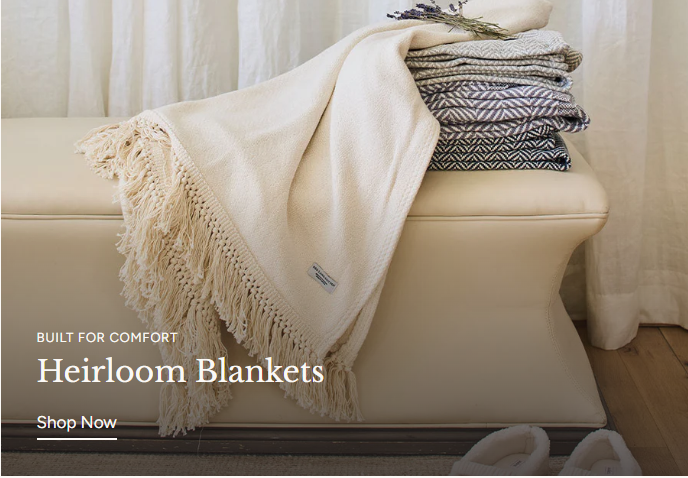
- Throw Blankets: Woven in Maine, these basket-weave throws are perfect for snuggling on the couch or taking to a game [citation:0].
- Special Collections: They have a beautiful collaboration with Colonial Williamsburg, offering heritage-inspired patterns like the Archival Vine collection .
They also have a physical red land cotton store located at 1000 County Road 213 in Moulton, Alabama, where you can see the products in person [citation:0].
Red Land Cotton Reviews: What Are Customers Saying?
So, do the sheets live up to the hype? I’ve scoured red land cotton reviews from various sources, and the consensus is overwhelmingly positive.
On Trustpilot, the brand earns a solid 4.0-star rating. One customer wrote, “These are just about the most comfortable sheets I have ever slept on—more than comparable to what you might experience in a 5-star hotel” . Another happy customer added, “Best quality cotton towels, quilts and more… My favorite USA cotton company” .
However, the most in-depth insights come from detailed user experiences:
The Good Stuff (Pros)
- Heritage and Craftsmanship: Customers love knowing their products were born on a family farm in Alabama, not a faceless factory. “They’re not just sheets; they’re a story of heritage, quality, and comfort,” one reviewer noted .
- Breathability: Hot sleepers rejoice! The 140-thread-count percale weave is celebrated for its breathability. One reviewer mentioned, “I’ve stopped waking up drenched in sweat—a win in my book” .
- Durability: These sheets are built to last. They soften over time without thinning. After months of weekly washes, reviewers report they still look and feel new .
- Sensitive-Skin Friendly: The unbleached “Natural” color option is a big hit for those with skin issues like eczema .
The Caveats (Cons)
- Initial Texture: These are not silky sateen sheets. They are crisp percale. Some users find the feel a bit “ruff” or rough straight out of the package. However, they soften beautifully after a few washes .
- Wrinkling: Because it’s a crisp cotton, it will wrinkle. If you hate ironing, you’ll need to accept a slightly “lived-in” look or shake them out immediately from the dryer .
- Price Point: They are an investment. One reviewer mentioned initial hesitation due to the price, but found that the premium material and longevity justified the cost . They aren’t cheap, but you’re paying for American labor, top-tier cotton, and a product that will outlast cheap imports by years.
How to Care for Your Red Land Cotton Sheets
To get the most out of your investment, follow these simple care tips:
- Wash with Cold or Warm Water: Use a gentle cycle to minimize friction .
- Use Mild Detergent: Avoid harsh chemicals and bleach—especially if you have the Natural fabric .
- Tumble Dry Low or Air Dry: High heat can damage the fibers. Remove them promptly from the dryer to reduce wrinkles .
- Shake Them Out: Give them a good shake before folding to help them regain their crisp appearance .
Where to Find Red Land Cotton Sales and Discounts
Many people search for a redland cotton coupon or redland cotton discount code—and for good reason. It’s a premium product, so saving a bit helps.
To find deals, you should:
- Sign up for the newsletter: This is often the best way to get a first-time shopper discount.
- Check their website directly: They often have sales on specific colors or patterns, as well as a “Seconds Sale” section where you can buy items with minor aesthetic imperfections at a steep discount.
- Shop their bundles: Buying a duvet cover and shams bundle, for example, is cheaper than buying them separately [citation:0].
Frequently Asked Questions (FAQs) About Red Land Cotton
Q1: Are Red Land Cotton sheets really made in the USA?
A: Yes. The cotton is grown on their family farm in North Alabama, and the entire process—from ginning to spinning, weaving, and sewing—is done in the United States, primarily throughout the Southern states .
Q2: Why do Red Land Cotton sheets have a “low” thread count?
A: They use a 140-thread-count percale weave with single-ply yarn. This means they use strong, singular strands of yarn rather than twisting multiple weak ones together to artificially inflate the thread count. This results in a more durable, breathable, and crisp fabric that feels like classic hotel bedding .
Q3: How do they compare to high-thread-count sateen sheets?
A: They are very different. Red Land sheets are cool, crisp, and matte. Sateen sheets are silky, smooth, and heavier. Percale is generally better for hot sleepers, while sateen is for those who prefer a drapey, softer feel .
Q4: Is there a physical store I can visit?
A: Yes! The red land cotton store is located at 1000 County Road 213, Moulton, AL 35650. They are open Monday through Friday from 9 AM to 4 PM and Saturday from 10 AM to 2 PM [citation:0].
Q5: What is the “Red Land Cotton Natural” option?
A: This is their unbleached and undyed fabric. It is the natural color of the cotton as it came from the field and includes tiny flecks of leaves and stems. It’s a popular choice for people with sensitive skin because it doesn’t have any chemical processing or dyes .
Q6: Has the company faced any controversy?
A: There has been some online discussion about their brand identity and marketing. Some people search for terms like “red land cotton woke commercial” or “politics” to try to understand the company’s stance. However, the core of the company’s message, as stated by the founders, is centered on American manufacturing, sustainability, and economic revival, rather than partisan politics [citation:0].
Q7: Are the towels as good as the sheets?
A: Many reviews say they are even better! Customers praise the red cotton towels for being highly absorbent, soft, and durable. They are described as not shedding and not feeling heavy and wet, which is a common complaint with other thick towels .
Final Thoughts: Is Red Land Cotton Worth It?
If you are tired of sheets that pill after a few washes, make you sweat, or are made in countries with questionable labor practices, then Red Land Cotton is absolutely worth considering.
They aren’t for people looking for a cheap, disposable product. They are for people who appreciate craftsmanship, understand the value of a quality product, and want to support the revival of American industry. The initial feel of the sheets might take getting used to if you’re a fan of slippery sateen, but give them a few washes and they will become one of the most comfortable sets of sheets you own.
You aren’t just buying sheets; you’re buying a piece of American heritage. You’re supporting a family farm, American textile workers, and a sustainable cycle. Red Land Cotton proves that you can make beautiful, high-quality products right here in the USA—and that’s a story worth investing in.