Table Of Content
- 🎉 Exclusive Deals & Special Savings
- Why Weekly Grocery Planning Matters
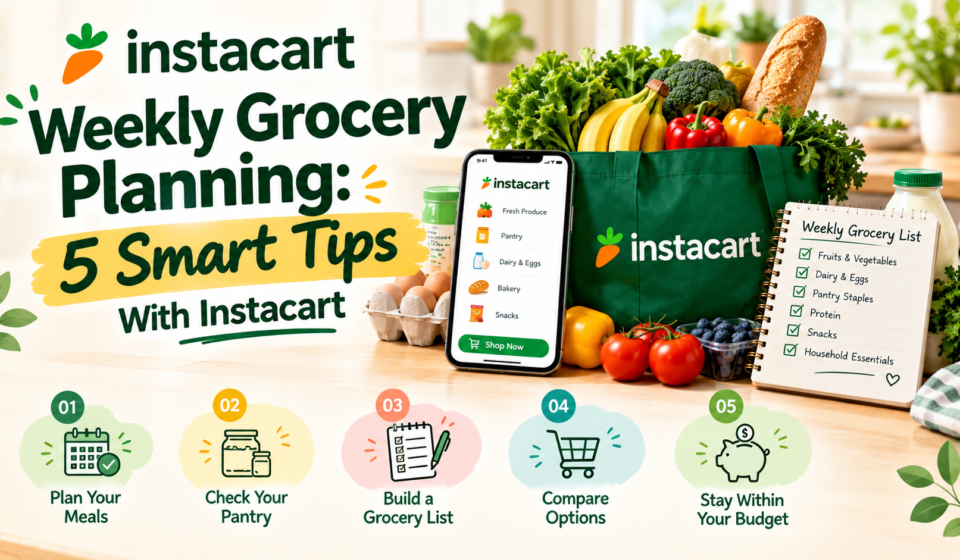
- 5 Smart Tips for Weekly Grocery Planning
- 1. Plan Your Meals Before Shopping
- 2. Check Your Pantry and Refrigerator
- 3. Build an Organized Grocery List
- 4. Compare Shopping Options Before Ordering
- 5. Set a Grocery Budget and Review Your Cart
- How Instacart Fits Into Your Grocery Routine
- Pros and Cons of Using Instacart for Grocery Planning
- 🎉 Amazing Grocery Offers & Discounts
- Frequently Asked Questions
- 1. What is the easiest way to plan weekly groceries?
- 2. Can Instacart help organize a grocery list?
- 3. How can I avoid wasting food?
- 4. Is grocery delivery more expensive than shopping in person?
- 5. Is pickup worth considering?
- Conclusion
Weekly grocery planning can make everyday cooking feel more organized, reduce last-minute shopping trips, and help you make better use of the food you already have. Instead of wandering through grocery aisles without a clear plan, you can decide what to cook, prepare a focused shopping list, and set a realistic budget before ordering.
The challenge is knowing where to start. Buying too much fresh produce can lead to waste, while forgetting essential ingredients may mean another trip to the store. A simple weekly routine can help you avoid these problems and make grocery shopping more manageable.
Instacart can fit into this routine by letting you browse participating grocery stores, organize shopping lists, and choose delivery or pickup where available. Combining thoughtful meal planning with convenient shopping options can help you build a routine that suits your household and budget.
🎉 Exclusive Deals & Special Savings
Why Weekly Grocery Planning Matters
A grocery plan connects your meals, pantry supplies, shopping list, and budget. Rather than buying ingredients individually without considering how they will be used, you can plan several meals around overlapping ingredients.
For example, spinach might work in breakfast eggs, a lunch salad, and a dinner pasta. Buying ingredients with multiple uses can help reduce leftovers and make your shopping list more practical.
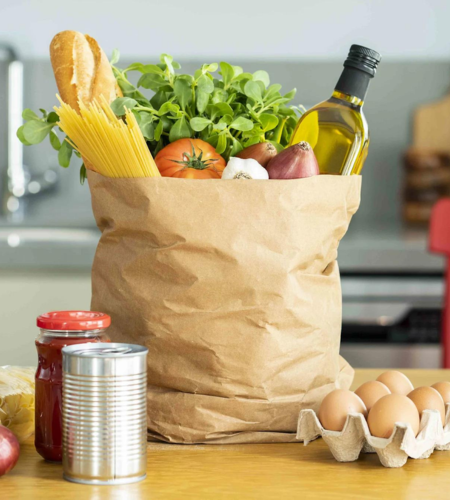
Planning also gives you time to compare products and decide which items are essential. You can identify pantry staples that need replacing, choose affordable alternatives, and avoid adding unnecessary products to your cart.
The goal is not to create a complicated meal schedule. It is to make everyday decisions easier by doing a little preparation before shopping.
5 Smart Tips for Weekly Grocery Planning
1. Plan Your Meals Before Shopping
Start by choosing a few meals for the coming week. Consider your schedule, cooking time, household preferences, and ingredients you already enjoy.
Plan four or five main meals and leave room for leftovers or flexible options.
- Choose meals with shared ingredients.
- Include quick recipes for busy evenings.
- Use ingredients already in your refrigerator.
- Keep a simple backup meal for busy days.
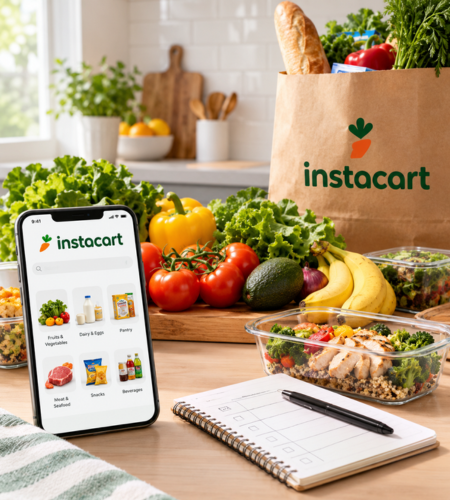
For example, roasted vegetables prepared for dinner can become a lunch bowl the next day. This approach makes ingredients work harder without requiring an entirely new recipe for every meal.
2. Check Your Pantry and Refrigerator
Before creating your shopping list, review what you already have. Check dry goods, canned foods, frozen ingredients, refrigerator shelves, and frequently used household supplies.
Look at expiration dates and use older suitable ingredients before opening new packages. You may discover that you already have pasta, rice, spices, or canned beans needed for several planned meals.
A quick pantry check helps prevent duplicate purchases and reduces the chance of forgotten ingredients sitting unused. It also makes budgeting easier because you only need to shop for what is missing.
Keep a short list of regular essentials, such as cooking oil, eggs, milk, or breakfast ingredients, and update it as supplies run low.
3. Build an Organized Grocery List
Once your meals are planned and your existing supplies are checked, turn the remaining ingredients into a shopping list.
Organize the list by category, such as produce, dairy, bakery, pantry staples, frozen foods, and household essentials. A categorized list makes it easier to check that you have everything without adding random extras.
Instacart offers shopping lists for weekly essentials and saved lists that can be reused for recurring purchases. Its shopping-list tools can help you collect items before adding them to your cart. Features and availability may vary by account or shopping experience.
For a smoother process, separate your list into three groups:
- Must-have ingredients for planned meals.
- Essentials that need replenishing.
- Optional items to consider only if the budget allows.
This keeps your priorities clear and makes it easier to remove unnecessary purchases before checkout.
4. Compare Shopping Options Before Ordering
Convenience matters, but so does the final cost. Before placing an order, compare the prices of important items and review the available delivery or pickup options.
Instacart allows customers to shop participating retailers through its platform. However, product prices may differ from in-store prices because retailers set their own pricing. Delivery charges, service fees, and other applicable costs may also affect the total.
To make a fair comparison, review the complete checkout amount rather than looking only at individual product prices. Consider whether delivery saves enough time to justify its cost, or whether pickup or an in-store visit makes more sense for your situation.
Availability, fees, and ordering options depend on the retailer and location, so check the details shown for your order.
5. Set a Grocery Budget and Review Your Cart
Decide how much you want to spend before shopping. A weekly budget gives you a practical limit and helps you prioritize meals, staples, and household necessities.
As you add products, review quantities and compare alternatives. Larger packages are not automatically better value if some of the food will go unused. Likewise, a lower-priced product may not be the most economical choice if the package contains less.
Before checkout, ask yourself:
- Does each item support a planned meal or household need?
- Do I already have something similar at home?
- Will I realistically use the full quantity?
- Have I checked the complete order total and applicable fees?
If the total is higher than expected, remove optional purchases first. Reviewing the cart before confirming your order helps you make a more deliberate decision.
How Instacart Fits Into Your Grocery Routine
Instacart can be useful when you want to organize grocery shopping online rather than browse every aisle yourself. Depending on your location and participating retailers, you may be able to select delivery or pickup and manage shopping lists through the platform.
Reusable lists for breakfast staples, weekly produce, and cleaning supplies can save time and simplify recurring grocery orders.
The platform also offers a feature called Clementine in some shopping experiences. It can help users explore meal ideas, discover recipes, and build shopping lists, although it is not available to everyone.
These tools support the planning process, but they do not replace checking your pantry, comparing prices, or deciding what your household actually needs.
Pros and Cons of Using Instacart for Grocery Planning
Pros
- Lets you browse participating grocery retailers online.
- Supports shopping-list organization and reusable lists.
- Offers delivery and pickup where available.
- Can reduce the time needed for an in-store shopping trip.
- Makes it possible to review your cart before checkout.
Cons
- Delivery and service fees may increase the total cost.
- Some retailers may list products at prices different from in-store prices.
- Product selection and available time slots depend on location.
- Replacements may be needed when an item is unavailable.
Instacart may be a good fit for busy households or people who value convenience. Shoppers who prioritize minimizing fees may prefer pickup or traditional in-store shopping, depending on the available options and total cost.
🎉 Amazing Grocery Offers & Discounts
Frequently Asked Questions
1. What is the easiest way to plan weekly groceries?
Choose several meals, check your pantry, list the missing ingredients, and set a budget. Review your list before shopping to remove duplicate or unnecessary items.
2. Can Instacart help organize a grocery list?
Yes. Instacart provides shopping-list tools and reusable saved lists. The available features may vary, so check the options in your account.
3. How can I avoid wasting food?
Plan meals around ingredients you already have, buy realistic quantities, and give perishable ingredients more than one possible use during the week.
4. Is grocery delivery more expensive than shopping in person?
It can be. Product prices may differ by retailer, and delivery or service fees may apply. Compare the full checkout total with your likely in-store cost before deciding.
5. Is pickup worth considering?
Pickup may be a useful alternative if you want to order online but prefer collecting groceries yourself. Check the retailer’s pickup availability and any applicable fees before placing your order.
Conclusion
Weekly grocery planning does not need to be complicated. By planning meals, checking your pantry, organizing a list, comparing shopping options, and setting a budget, you can make grocery shopping more intentional and easier to manage.
Instacart can support this routine with online grocery shopping and list-building features, where available. The best approach is to use these conveniences alongside careful planning and a clear understanding of product prices and fees.
Start with a simple list for next week, choose meals that share ingredients, and review your expected costs before ordering. Explore Instacart’s available grocery options to see whether delivery or pickup fits your routine.