Table Of Content
- 💎 Limited-Time Offers & Big Discounts
- What Is a Sleep Cycle?
- Understanding the 4 Stages of Sleep
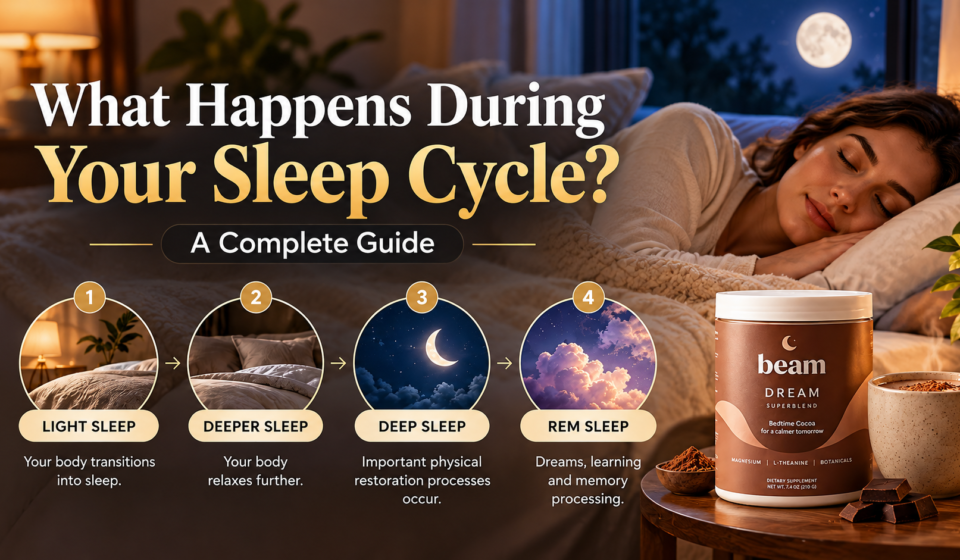
- 1. Light Sleep (N1)
- 2. Deeper Sleep (N2)
- 3. Deep Sleep (N3)
- 4. REM Sleep
- Why Your Sleep Cycle Matters
- How Beam Dream Fits Into a Bedtime Routine
- Key Ingredients in Beam Dream
- Simple Habits That Support Healthy Sleep Cycles
- Pros and Cons of Beam Dream
- 🦇 Halloween Specials & Big Discounts
- Frequently Asked Questions
- 1. How many sleep cycles occur each night?
- 2. Which sleep stage is most important?
- 3. How long does deep sleep last?
- 4. Does Beam Dream increase deep sleep?
- 5. Can bedtime routines improve sleep quality?
- Related Resources
- Conclusion
Have you ever wondered what happens during your sleep cycle after you close your eyes? Although sleep may feel like one continuous period of rest, your brain and body move through several important stages throughout the night.
These stages influence physical recovery, memory processing, emotional regulation, and how refreshed you feel the next morning.
Understanding the four stages of sleep can help you recognize why consistent sleep habits matter and why sleeping longer does not always mean sleeping better.
Alongside healthy bedtime routines, wellness products such as Beam Dream bedtime cocoa are designed to complement relaxation before sleep.
This guide explains how sleep cycles work, what happens during each stage, and practical ways to support better nighttime rest.
💎 Limited-Time Offers & Big Discounts
What Is a Sleep Cycle?
A sleep cycle is a repeating sequence of sleep stages that occurs throughout the night.
Each sleep cycle typically lasts 90–120 minutes, but duration varies.
Sleep is divided into two main categories:
- Non-REM sleep: Includes three stages associated with progressively deeper sleep.
- REM sleep: Associated with vivid dreaming, brain activity, and memory processing.
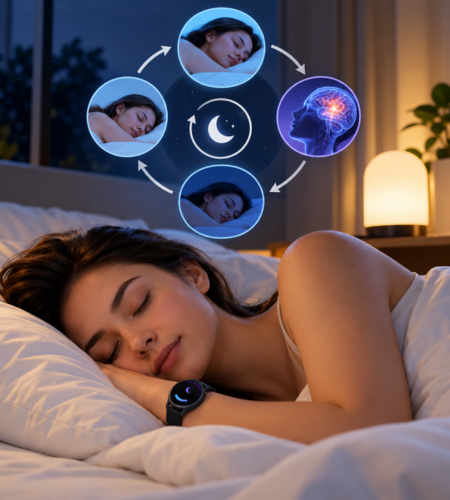
Most adults experience several cycles during a typical night’s sleep.
Early cycles generally contain more deep sleep, while REM periods tend to become longer toward morning.
Understanding the 4 Stages of Sleep
1. Light Sleep (N1)
Light sleep is the transition between wakefulness and sleep.
During this stage, your breathing begins slowing, muscles relax, and brain activity changes.
You may experience brief muscle twitches or a sensation of falling.
N1 usually lasts only a few minutes and is relatively easy to wake from.
2. Deeper Sleep (N2)
N2 is the second non-REM stage and makes up most of an adult’s sleep.
During this stage:
- Heart rate and breathing become slower.
- Body temperature decreases.
- Brain activity includes sleep spindles and K-complexes.
- Awareness of surrounding sounds decreases.

These brain patterns are associated with sleep stability and memory-related processes.
3. Deep Sleep (N3)
Deep sleep is also called slow-wave sleep because of the characteristic brain waves recorded during this stage.
It plays an important role in physical restoration and normal bodily maintenance.
During deep sleep, the body supports tissue repair, immune function, and other recovery-related processes.
Waking from this stage can cause temporary grogginess, sometimes called sleep inertia.
Deep sleep generally occurs more frequently during the first part of the night.
4. REM Sleep
REM stands for Rapid Eye Movement.
During REM sleep, brain activity becomes more similar to wakefulness, while most skeletal muscles experience temporary inactivity.
This stage is strongly associated with vivid dreaming, emotional processing, and memory consolidation.
REM periods usually become longer during later sleep cycles.
Although dreams can occur in other stages, vivid narrative dreams are especially common during REM sleep.
Why Your Sleep Cycle Matters
Healthy sleep involves more than simply spending enough hours in bed.
Your body benefits from moving naturally through different sleep stages.
Deep sleep contributes to physical restoration, while REM sleep supports important cognitive and emotional processes.
Interrupted sleep may reduce the continuity of these stages, potentially affecting next-day alertness and concentration.
Maintaining regular sleep and wake times can help support the body’s internal circadian rhythm.
How Beam Dream Fits Into a Bedtime Routine
Beam is a wellness brand offering products designed around daily routines, including its Dream bedtime cocoa superblend.
Beam Dream combines cocoa with ingredients such as magnesium, L-theanine, and botanicals, depending on the product formulation.
These ingredients are commonly associated with relaxation-focused wellness products.
However, ingredient research does not automatically establish that the complete blend improves sleep architecture or increases deep sleep.
Beam Dream is best understood as an optional part of a calming evening routine rather than a treatment for sleep disorders.
Consumers should review the current ingredient label, serving instructions, and relevant precautions before use.
Key Ingredients in Beam Dream
Beam Dream contains several ingredients selected for its bedtime-focused formula.
- Magnesium: An essential mineral involved in normal muscle and nervous system function.
- L-Theanine: An amino acid studied for its potential relaxation-related effects.
- Apigenin: A naturally occurring plant compound found in chamomile.
- Reishi Mushroom: A botanical ingredient commonly included in wellness supplements.
- Optional Melatonin: A hormone involved in regulating sleep timing.
Beam offers melatonin-containing and melatonin-free options. The formula may vary, so check the product label before choosing.
Simple Habits That Support Healthy Sleep Cycles
Building consistent habits is one of the most practical ways to improve your sleep environment.
Maintain a regular sleep schedule.
Keep your bedroom cool, dark, and quiet.
Limit screen time before bed.
Avoid caffeine near bedtime.
Relax with reading, stretching, or a warm drink.
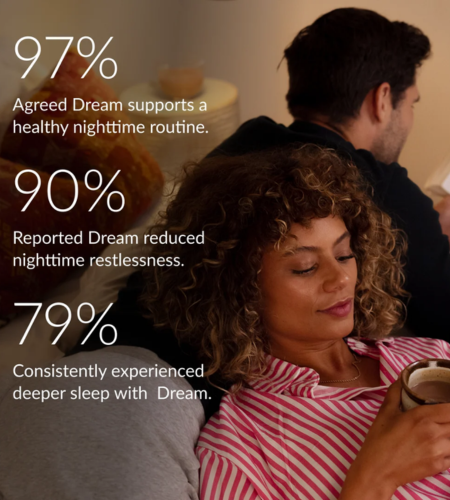
A predictable evening routine can help signal that it is time to prepare for sleep.
Pros and Cons of Beam Dream
Pros
- Convenient cocoa-based bedtime routine.
- Contains relaxation-focused ingredients.
- Offers melatonin-free options.
- May appeal to people who enjoy warm evening drinks.
Cons
- Individual responses to ingredients vary.
- Supplements cannot replace healthy sleep habits.
- Certain ingredients may interact with medications.
- Not everyone needs a bedtime supplement.
🦇 Halloween Specials & Big Discounts
Frequently Asked Questions
1. How many sleep cycles occur each night?
Most adults experience approximately four to six sleep cycles per night, although individual patterns vary.
2. Which sleep stage is most important?
All four stages serve important functions. Deep sleep supports physical restoration, while REM sleep contributes to cognitive and emotional processing.
3. How long does deep sleep last?
Deep sleep duration varies with age, health, and individual sleep patterns. It generally occupies more time earlier in the night.
4. Does Beam Dream increase deep sleep?
Beam markets Dream as a sleep-support product, but evidence does not establish that it reliably increases deep sleep in everyone.
5. Can bedtime routines improve sleep quality?
Consistent schedules, comfortable sleeping conditions, and relaxing evening habits can support healthier sleep patterns.
Related Resources
For additional information about Beam’s wellness products, ingredients, and brand positioning, explore the Reviewness article titled Beam Review: Unpacking the Wellness Brand Everyone Is Talking About.
Conclusion
Understanding what happens during your sleep cycle reveals how light sleep, deeper sleep, deep sleep, and REM sleep contribute to overall rest and recovery.
Maintaining consistent sleep habits remains an important foundation for healthy sleep.
For those interested in adding a relaxing cocoa ritual, Beam Dream offers an optional bedtime supplement.
Explore Beam’s official store to review its current Dream formulas, ingredients, and product information before deciding whether they suit your routine.