Table Of Content
Finding good protein is less about chasing the latest trend and more about choosing sources that fit your body, goals, and daily routine. Whether you want steady energy, support for muscle recovery, help with satiety during weight management, or simply better everyday nutrition, the quality and context of your protein matter.
This guide explains what “good protein” actually means, highlights reliable whole-food options, compares common protein powder types, and offers clear criteria for choosing products that work for women, men, plant-based eaters, and different goals. You will leave with practical next steps rather than marketing noise.
What Does “Good Protein” Really Mean?
Protein is made of amino acids. Nine of them are essential—your body cannot make them, so they must come from food. A “complete” protein supplies all nine in useful amounts. Animal foods (meat, fish, eggs, dairy) are naturally complete. Many single plant foods are incomplete, but combining sources across the day (or using blended plant powders) covers the same needs for most people.
Quality also involves:
- Digestibility and how well your body uses the amino acids
- The overall nutrient package (fiber, vitamins, minerals, healthy fats)
- Minimal unnecessary additives, sugars, or ultra-processed ingredients
- Fit with your preferences (taste, dietary restrictions, convenience)
“Good” is personal. A clean whey isolate may suit one person; a well-formulated plant-based blend may suit another. The goal is consistent intake from sources you can enjoy and tolerate.
Whole-Food Sources of Good Protein
Prioritizing whole foods builds a strong foundation. Here are practical, widely available options that work well for USA and UK shoppers:
Animal-based
- Chicken or turkey breast
- Fish such as salmon, tuna, or white fish
- Eggs
- Greek yogurt or cottage cheese
- Lean beef or pork (in moderation)
Plant-based
- Tofu, tempeh, and edamame
- Lentils, chickpeas, black beans, and other legumes
- Quinoa
- Nuts, seeds, and natural nut butters (portion-controlled)
- Seitan or certain grain-legume combinations
These foods deliver protein alongside other nutrients. For example, legumes add fiber that supports fullness; fatty fish contribute omega-3s. Spreading intake across meals (roughly 20–40 g of protein per eating occasion for many adults) is generally more effective than loading everything into one sitting.
A simple plate approach works well: fill about a quarter of your plate with a protein-rich food at each main meal, then add vegetables, whole grains or starchy vegetables, and healthy fats.
Protein Powders: When and Why They Fit
Powders are tools, not magic. They help when whole-food intake falls short—busy schedules, higher protein targets for training, recovery after workouts, or convenience on the go. They are not required for everyone.
Common types include:
- Whey protein (concentrate or isolate) — Fast-digesting, complete, and rich in leucine, which supports muscle protein synthesis. Isolate versions are lower in lactose and fat.
- Casein — Digests more slowly; sometimes used before longer periods without food.
- Plant-based blends (pea, rice, hemp, or multi-source) — Suitable for vegan or dairy-free needs. Blends improve the amino-acid profile. Look for options that taste good and mix smoothly.
- Collagen peptides — Popular for skin, hair, nails, and joints. Collagen is not a complete protein for muscle building because it lacks or is low in certain essential amino acids. Many people use it alongside other protein sources.
- Egg white or other isolates — Dairy-free complete options for those avoiding milk proteins.
For weight management, lower-calorie powders with solid protein per serving and minimal added sugar can support satiety when used in place of higher-calorie snacks. For muscle gain, higher protein per scoop and consistent total daily intake matter more than any single product.
How to Choose a Good Protein Powder
Use these practical filters instead of marketing claims:
- Protein per serving — Aim for a meaningful amount relative to the calories (many effective options provide 20 g or more).
- Ingredient list — Short and recognizable is usually better. Watch for excessive added sugars, artificial colors, or unnecessary fillers.
- Dietary fit — Dairy-free, vegan, low-carb, gluten-free, or organic as needed.
- Taste and mixability — The best powder is the one you will actually use. Vanilla and chocolate remain popular starting points.
- Third-party testing (when available) — Useful for purity, especially for athletes.
- Goal alignment — Weight loss often favors lower calories and higher satiety; muscle support favors complete amino-acid profiles and adequate total daily protein.
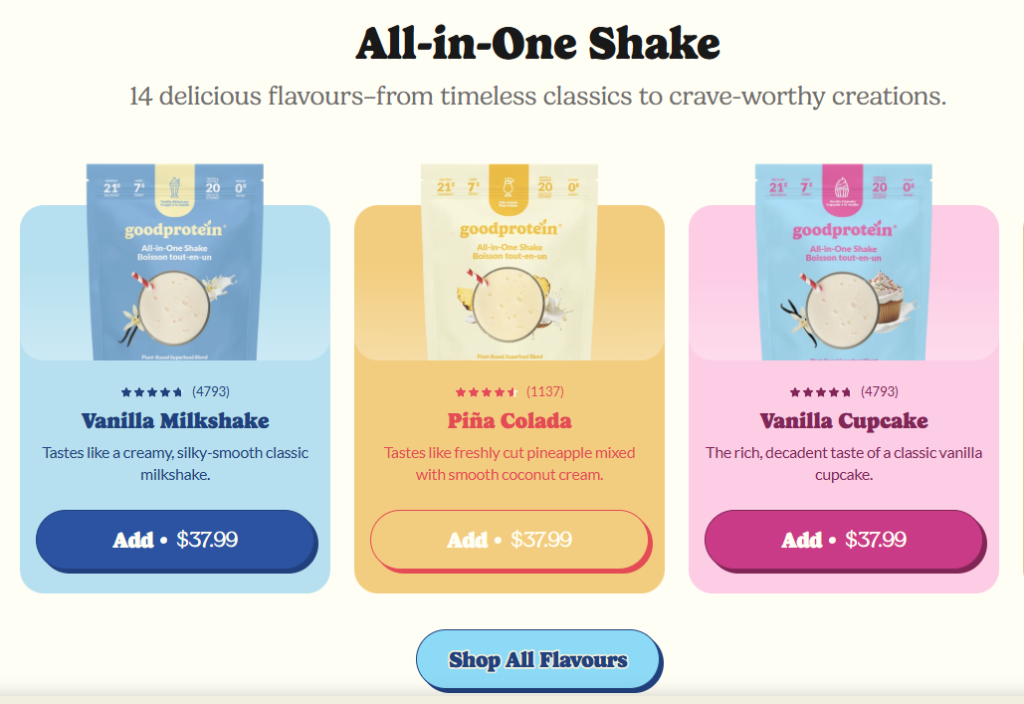
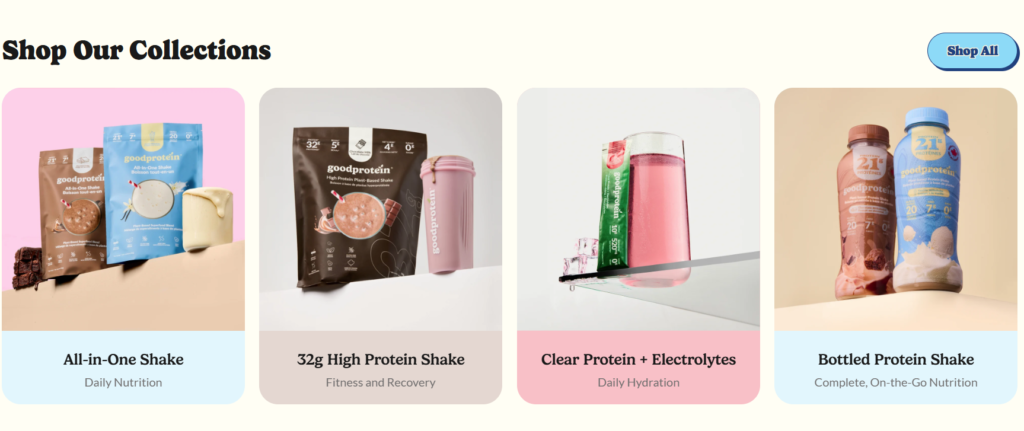
Plant-based options have improved significantly in taste and texture. If you prefer dairy-free or want an all-in-one approach that includes fiber, vitamins, or other nutrients, explore blended formulas. For a closer look at thoughtfully formulated plant-based shakes and clear protein options, visit Good Protein.
Matching Protein to Common Goals
Weight loss or body recomposition Higher protein helps preserve lean mass and increases fullness. Combine whole-food sources with optional lower-calorie shakes or powders. Focus on total daily protein and overall calorie balance rather than any single “fat-burning” claim.
Muscle gain or strength training Consistent protein intake across the day, progressive resistance training, and adequate total calories are the foundation. Whey or high-quality plant blends are convenient post-workout options.
Everyday nutrition and convenience An all-in-one shake can fill gaps on busy days without replacing whole meals long-term.
Women-specific considerations Needs vary with activity level, life stage, and goals. Many women prefer lower-calorie options, plant-based formulas, or collagen for complementary support. Protein targets are individual—working with a registered dietitian can personalize them.
Plant-based or vegan diets Variety across the day plus blended powders helps cover amino acids. Legumes, soy foods, and quinoa remain excellent whole-food anchors.
Practical Tips for Using Protein Well
- Start with food first; use powders to top up.
- Mix powders with water, milk, plant milk, or into smoothies, oatmeal, or yogurt.
- Store powders in a cool, dry place and check expiry dates.
- If you have kidney disease, digestive issues, or other medical conditions, speak with a healthcare professional before significantly increasing protein.
- Taste preferences are personal—sample smaller sizes when possible.
Frequently Asked Questions
What is the best protein powder overall? There is no universal “best.” The right choice depends on your dietary needs, taste preference, budget, and goals. Look for transparent labeling, adequate protein per serving, and ingredients you tolerate.
Is collagen a good protein powder for muscle gain? Collagen can support connective tissue and is popular for skin and joints, but it is incomplete for optimal muscle protein synthesis. Pair it with complete protein sources if muscle is a primary goal.
Can protein powder help with weight loss? It can support satiety and help you hit higher protein targets in a calorie-controlled diet. It does not independently “burn fat.” Sustainable habits matter more.
Are plant-based protein powders effective? Yes, especially blended formulas. They work well for muscle support and everyday nutrition when total daily protein is sufficient.
How much protein do I need each day? Individual needs vary by body weight, age, activity level, and goals. Many active adults aim higher than the basic recommended dietary allowance. A registered dietitian can provide personalized guidance.
Is whey better than plant protein? Whey is highly bioavailable and convenient. High-quality plant blends can deliver comparable results for most people when total intake and training are consistent. Choose based on preference and tolerance.
Do I need protein powder if I eat meat or dairy? Not necessarily. Powders are optional convenience tools. Many people meet their needs entirely through food.
Conclusion
Good protein is the combination of adequate total intake, quality sources, and consistency that fits your life. Whole foods form the base; thoughtfully chosen powders can fill gaps for convenience, taste, or specific goals such as muscle support or weight management. Focus on digestibility, amino-acid coverage, minimal unnecessary additives, and products you will actually enjoy using.
Whether you lean toward animal sources, plant-based options, or a mix, the most effective approach is the one you can sustain. For clean, plant-forward protein shakes and related products designed for everyday use, explore the options at Good Protein. Pair any supplement with balanced meals, movement you enjoy, and professional advice when needed—and you will be well on your way to meeting your protein needs effectively.