Table Of Content
- Save More on Every Order – Grab the Latest Coupons & Deals
- Why Coffee Brewing Mistakes Matter
- 5 Coffee Brewing Mistakes to Avoid
- 1. Using the Wrong Grind Size
- 2. Ignoring Water Temperature
- 3. Skipping Coffee Measurements
- 4. Pouring Water Unevenly
- 5. Storing Coffee Beans Incorrectly
- How Fellow Products Fits Your Coffee Routine
- Top Fellow Products Categories to Consider
- Pros and Cons of Upgrading Your Coffee Gear
- Pricing and Shipping
- Save More on Every Order – Grab the Latest Coupons & Deals
- Frequently Asked Questions
- 1. What is the most common coffee brewing mistake?
- 2. What is the best water temperature for brewing coffee?
- 3. How much coffee should I use per cup?
- 4. Does a coffee grinder make a difference?
- 5. How should I store coffee beans?
- 6. Which Fellow product should beginners consider first?
- Conclusion
Making better coffee at home does not always require expensive equipment or complicated techniques. Sometimes, small coffee brewing mistakes are responsible for a cup that tastes bitter, sour, weak, or inconsistent. Using the wrong grind size, pouring water unevenly, measuring coffee by eye, or storing beans incorrectly can affect your results more than you might expect.
The good news is that these problems are usually easy to address. With a few adjustments to your brewing routine, you can get more consistent flavor from the coffee you already enjoy. Whether you use a pour-over dripper, French press, or automatic coffee maker, understanding the basics makes a difference. Once your technique improves, Fellow Products offers tools such as quality grinders, gooseneck kettles, and digital scales that may help you repeat your preferred results more reliably.
Save More on Every Order – Grab the Latest Coupons & Deals
Why Coffee Brewing Mistakes Matter
Coffee brewing involves several connected variables: grind size, water temperature, coffee-to-water ratio, pouring technique, and bean freshness. Changing one variable can alter how water extracts flavor from the grounds.
Under-extracted coffee may taste sour, while over-extraction can cause bitterness and dryness. Adjust one variable at a time, as these flavors can have multiple causes.
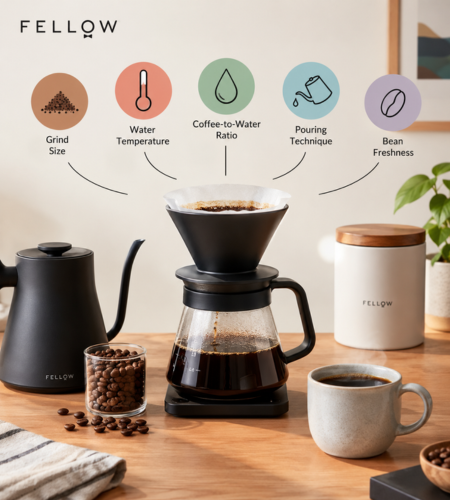
5 Coffee Brewing Mistakes to Avoid
1. Using the Wrong Grind Size
Grind size affects how quickly water passes through coffee and extracts its soluble compounds. A grind that is too coarse for your brewing method may produce weak, under-extracted coffee. A grind that is too fine can slow drainage and contribute to over-extraction.
Use these general starting points:
- Coarse: French press and other immersion methods.
- Medium: Many drip coffee makers and pour-over methods.
- Fine: Espresso machines.
These are starting guidelines, not universal rules. Adjust the grind according to your equipment, recipe, and taste. A burr grinder can be useful when you want more control over particle size and consistency.
2. Ignoring Water Temperature
Water temperature affects extraction. Cool water may under-extract coffee, while excessive heat combined with the wrong grind or brew time can create unpleasant flavors.
For manual brewing, start with 195–205°F (90–96°C). Dark roasts may need cooler water, while lighter roasts may benefit from higher temperatures.
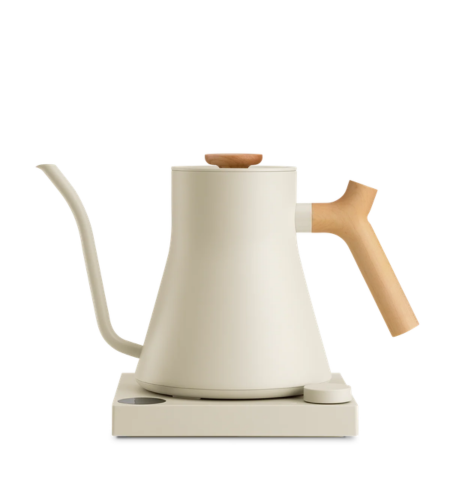
A temperature-controlled kettle can help you select and repeat a preferred setting. If you do not have one, start with a consistent routine and adjust according to taste rather than assuming one temperature suits every coffee.
3. Skipping Coffee Measurements
Estimating coffee with a spoon can make one cup stronger than the next. Measuring both coffee and water by weight gives you a repeatable starting point.
Try a coffee-to-water ratio of 1:16. For example, 20 grams of coffee with 320 grams of water is a reasonable starting recipe for many brewing methods. You can adjust the ratio to suit your preference.
A digital coffee scale helps you measure ingredients accurately and repeat successful recipes. If your coffee tastes too weak, try slightly more coffee; if it tastes too intense, experiment with a little less. Change one variable at a time.
4. Pouring Water Unevenly
Pouring all the water into one spot can leave some grounds less evenly saturated than others. In pour-over brewing, controlled pouring helps distribute water across the coffee bed and supports more consistent extraction.
Start with a small amount of water to wet the grounds, then continue pouring slowly in controlled circles. Keep the coffee bed evenly saturated without pouring aggressively against the filter walls.
A gooseneck kettle can make it easier to control the direction and speed of the pour. However, equipment alone cannot replace technique. Practice a steady flow and use the same recipe while learning.
5. Storing Coffee Beans Incorrectly
Coffee beans gradually lose freshness when exposed to oxygen, heat, light, and moisture. Leaving an opened bag beside a sunny window or storing beans in a loosely closed container can accelerate flavor deterioration.
For better coffee bean storage:
- Keep beans in an airtight container.
- Store them in a cool, dry cupboard away from direct sunlight.
- Avoid repeatedly exposing them to air and moisture.
- Buy quantities you can reasonably use while the beans are fresh.
Whole beans generally retain their flavor better than ground coffee because grinding increases the surface area exposed to air. A suitable airtight, opaque container can help protect beans, although it cannot restore freshness once the coffee has become stale.
How Fellow Products Fits Your Coffee Routine
Fellow Products offers grinders, kettles, scales, brewing tools, and storage accessories to help manage grind size, water temperature, measurements, and bean freshness.
You do not need every accessory to improve your coffee. Start by identifying the problem you experience most often, then consider whether a practical equipment upgrade would help.
Top Fellow Products Categories to Consider
- Coffee grinders: Useful for grinding whole beans to a size suited to your brewing method.
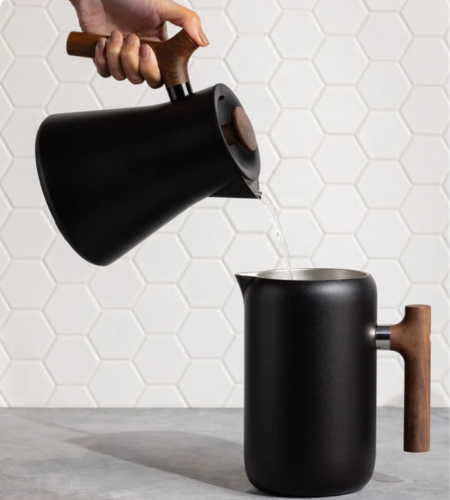
- Electric kettles: Models such as the Stagg EKG offer temperature control and a gooseneck design for pour-over brewing.
- Precision scales: Help measure coffee and water consistently when following a recipe.
- Atmos Vacuum Canister: Designed to remove air and help slow oxidation during coffee bean storage.
- Brewing equipment: Pour-over drippers and coffee makers offer different ways to prepare coffee at home.
Pros and Cons of Upgrading Your Coffee Gear
Potential advantages
- More consistent measurements and brewing routines.
- Greater control over water temperature and pouring.
- Convenient storage options for whole coffee beans.
- Equipment choices for different brewing preferences.
Potential disadvantages
- Specialized equipment can cost more than basic alternatives.
- Some features may be unnecessary for occasional coffee drinkers.
- A new kettle or scale cannot compensate for every brewing mistake.
- Product availability, pricing, and delivery options may vary by location.
Pricing and Shipping
Fellow Products sells equipment across several price ranges, from individual accessories to premium coffee-making appliances. Compare current product prices and features before deciding which upgrade offers the most value for your needs.
Shipping availability, costs, and delivery estimates depend on the destination and order. International customers should confirm whether their location is eligible for delivery and review applicable charges before ordering.
Save More on Every Order – Grab the Latest Coupons & Deals
Frequently Asked Questions
1. What is the most common coffee brewing mistake?
Using an unsuitable grind size and inconsistent coffee-to-water measurements are common problems. Start by adjusting your grind and weighing your ingredients.
2. What is the best water temperature for brewing coffee?
Approximately 195–205°F (90–96°C) is a useful starting range for many brewing methods. The ideal setting depends on the coffee, equipment, and recipe.
3. How much coffee should I use per cup?
A starting ratio of 1 gram of coffee to 16 grams of water works well for many brewing recipes. For example, 15 grams of coffee with 240 grams of water provides a convenient starting point.
4. Does a coffee grinder make a difference?
Yes. A suitable grinder allows you to adjust particle size for different brewing methods. Consistent grinding can also make extraction easier to control.
5. How should I store coffee beans?
Store whole beans in an airtight container in a cool, dry place away from direct sunlight, heat, and moisture. Buy manageable quantities to help maintain freshness.
6. Which Fellow product should beginners consider first?
Choose according to your biggest brewing challenge. A grinder may help with grind consistency, a temperature-controlled kettle may assist with water control, and a precision scale can improve measurement accuracy. You can also improve your technique without purchasing anything.
Conclusion
Better home coffee starts with small, repeatable improvements. Use the right grind size, control your water temperature, measure your ingredients, pour steadily, and store beans properly. These five coffee brewing mistakes are manageable without replacing your entire setup.
If you want more control over your routine, explore the relevant equipment available from Fellow Products and choose tools that address your actual needs. Focus on improving your technique first, then upgrade selectively for a more consistent coffee experience.