Table Of Content
- 🎉 Exclusive Deals & Massive Savings
- Why Understanding GLP-1 Treatment Matters
- 1. Am I a Suitable Candidate for GLP-1 Treatment?
- 2. What Are the Potential Benefits and Risks?
- 3. How Will the Medication Be Taken and Monitored?
- 4. What Will the Treatment Cost Over Time?
- How CoreAge Rx Fits Into Your Research
- 5. What Is My Long-Term Treatment Plan?
- What to Consider Before Choosing a GLP-1 Provider
- 💎 Unlock Special Discounts & Offers
- Frequently Asked Questions
- 1. What is the main purpose of GLP-1 treatment?
- 2. How long does GLP-1 treatment usually last?
- 3. Are GLP-1 medications safe for everyone?
- 4. Is compounded semaglutide the same as FDA-approved semaglutide?
- 5. Can I get GLP-1 treatment through an online provider?
- Conclusion
Thinking about GLP-1 treatment can bring up several important questions, especially if you are considering prescription medication for weight management. These medications have become an increasingly discussed option, but deciding whether they are appropriate requires more than understanding their potential benefits. Your medical history, personal goals, possible side effects, treatment costs, and long-term expectations all deserve careful consideration.
Before starting, it is important to have an informed conversation with a qualified healthcare professional. Understanding how the treatment works and what ongoing support may involve can help you make a decision that fits your health needs. Services such as CoreAge Rx offer online access to prescription treatment evaluations, making it another option to research when comparing available healthcare services.
🎉 Exclusive Deals & Massive Savings
Why Understanding GLP-1 Treatment Matters
GLP-1 stands for glucagon-like peptide-1, a hormone involved in regulating appetite, blood sugar, and digestion. Certain prescription medications work by activating GLP-1 receptors, helping regulate appetite and influencing how quickly food moves through the stomach.
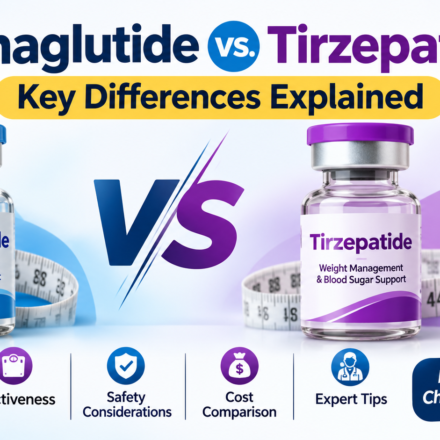
Some medications also target additional receptors. Semaglutide and tirzepatide are two commonly discussed options in weight management.
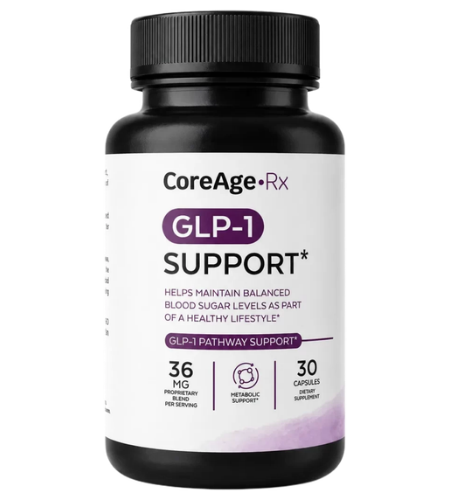
However, not every medication containing these ingredients has the same regulatory status or approved uses. FDA-approved products have undergone regulatory review for their specified indications, while compounded versions are not FDA-approved and do not undergo the same premarket review for safety, effectiveness, and quality.
Here are five important questions to discuss before considering treatment.
1. Am I a Suitable Candidate for GLP-1 Treatment?
The first question should always be whether treatment is medically appropriate for you.
Eligibility depends on several factors, including:
- Current weight and body mass index (BMI).
- Existing health conditions.
- Previous weight-management approaches.
- Current medications and supplements.
- Personal and family medical history.
- Pregnancy plans and reproductive health considerations.
Some prescription weight-management medications are approved for adults who meet specific BMI criteria or have weight-related health conditions. However, eligibility requirements differ between medications.
Your healthcare provider should review your complete health history rather than recommending treatment based only on your weight or appearance.
Ask whether an FDA-approved medication, another treatment approach, or lifestyle-based support would be more appropriate for your circumstances.
2. What Are the Potential Benefits and Risks?
Understanding both sides of treatment is essential.
Depending on the medication and its approved use, GLP-1-based treatments may help regulate appetite, improve feelings of fullness, and support weight management. Certain medications also have specific indications related to blood sugar control or cardiovascular risk reduction.
However, potential benefits do not mean everyone experiences the same results.

Common side effects can include:
- Nausea.
- Vomiting.
- Diarrhea.
- Constipation.
- Abdominal discomfort.
More serious risks can include gallbladder problems, pancreatitis, dehydration-related kidney problems, and other medication-specific complications.
Ask your provider about the risks associated with the exact medication being considered. Discuss any relevant personal or family history, including thyroid cancer or multiple endocrine neoplasia syndrome type 2 where applicable.
You should also understand which symptoms require urgent medical attention and whom to contact if side effects develop.
3. How Will the Medication Be Taken and Monitored?
Before beginning treatment, understand the prescribed dosage, administration method, and follow-up schedule.
Some GLP-1 medications are administered through injections, while others are available in oral forms. Administration instructions vary by product.
Ask your healthcare professional:
- How often will I take the medication?
- How does dose adjustment work?
- What should I do if I miss a dose?
- How should the medication be stored?
- What monitoring or follow-up appointments are needed?
This question is particularly important when considering compounded injectable medications.
The FDA has reported dosing errors involving compounded semaglutide, partly because different concentrations and syringe measurements can create confusion. Never calculate or change your dose independently.
Always request clear written instructions and make sure you understand exactly how to administer the prescribed medication.
4. What Will the Treatment Cost Over Time?
The financial commitment is another important consideration. GLP-1 treatment may involve more than the advertised monthly medication price.
Before choosing a provider, ask about:
- Initial medical consultation fees.
- Medication costs at different treatment durations.
- Whether supplies are included.
- Shipping charges.
- Follow-up consultation costs.
- Refund and cancellation policies.
- Whether insurance or HSA/FSA payments are accepted.
Also consider what happens if your treatment plan needs to change or you experience side effects that require medical attention.
How CoreAge Rx Fits Into Your Research
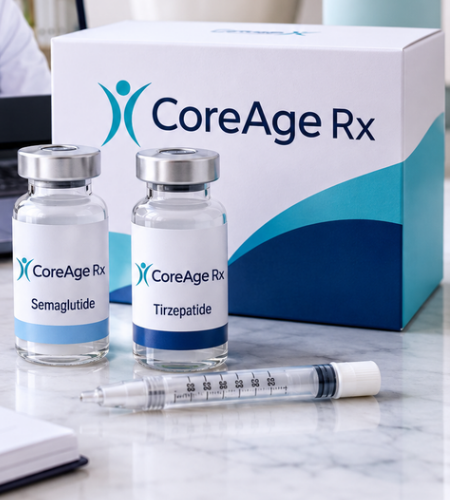
CoreAge Rx is a U.S.-based telehealth service offering online evaluations for prescription treatments. Its weight-management offerings include compounded semaglutide and tirzepatide.
The platform describes a process involving an online medical questionnaire, review by a U.S.-based clinician, and prescription approval when medically appropriate. Its website also advertises medication supplies and shipping as part of its treatment offerings.
When evaluating CoreAge Rx, consider asking:
- Which pharmacy will dispense my medication?
- What is the complete cost of my selected plan?
- Are there additional consultation charges?
- What happens if my provider does not approve treatment?
- How can I contact a clinician after receiving medication?
One important distinction deserves attention: CoreAge Rx advertises compounded medications. Compounded semaglutide and tirzepatide are not FDA-approved products. The FDA recommends considering compounded medications only when an individual’s medical needs cannot be met by an FDA-approved medication. FDA
Review these details carefully before making a financial or medical commitment.
5. What Is My Long-Term Treatment Plan?
GLP-1 treatment should not be viewed as a quick, temporary solution.
Weight management often involves ongoing attention to nutrition, physical activity, sleep, and other health factors. Your healthcare provider should explain how long treatment may be appropriate and what could happen if you discontinue medication.
Ask questions such as:
- How long might I need treatment?
- What happens if I stop taking the medication?
- How will my progress be monitored?
- What lifestyle changes should accompany treatment?
- What alternatives are available if the medication is unsuitable?
Some people regain weight after stopping prescription weight-management medication. Individual outcomes vary, so understanding the maintenance plan is important before starting. NIDDK
A responsible treatment plan should include realistic expectations, regular medical supervision, and a clear strategy for managing changes in your health.
What to Consider Before Choosing a GLP-1 Provider
Not all online treatment services offer the same experience. Compare providers based on medical oversight, medication transparency, communication, and total costs.
Here are some useful considerations:
Potential advantages of online care:
- Convenient online medical assessments.
- Access to licensed healthcare professionals.
- Home delivery where available.
- Easier access to treatment information.
Things to investigate:
- Whether medication is FDA-approved or compounded.
- The identity of the dispensing pharmacy.
- Availability of ongoing clinical support.
- Clear dosage and storage instructions.
- Transparent pricing and refund policies.
CoreAge Rx may be worth researching if you are comparing online prescription services. However, convenience and advertised prices should never replace careful evaluation of medication safety and medical suitability.
💎 Unlock Special Discounts & Offers
Frequently Asked Questions
1. What is the main purpose of GLP-1 treatment?
Certain GLP-1 medications are prescribed to help manage blood sugar or support chronic weight management, depending on the medication and its approved indication.
2. How long does GLP-1 treatment usually last?
Treatment duration varies. Some individuals may require long-term medication, while others may need a different approach based on their health goals and medical circumstances.
3. Are GLP-1 medications safe for everyone?
No. These medications have potential side effects and specific precautions. A qualified healthcare professional must evaluate your medical history before prescribing them.
4. Is compounded semaglutide the same as FDA-approved semaglutide?
No. Compounded medications are not FDA-approved and do not undergo the same FDA premarket review for safety, effectiveness, and quality as approved medications.
5. Can I get GLP-1 treatment through an online provider?
Some telehealth providers, including CoreAge Rx, offer online medical evaluations for prescription treatments. Medication is provided only when a clinician determines it is appropriate and applicable requirements are met.
Conclusion
Starting GLP-1 treatment is an important health decision that deserves careful research and professional guidance. Asking the right questions about eligibility, potential benefits, side effects, medication instructions, costs, and long-term expectations can help you make a more informed choice.
Remember that prescription weight-management medication is not suitable for everyone, and different formulations can have different safety and regulatory considerations.
If you are researching online treatment options, CoreAge Rx is one service you can investigate to understand its consultation process and available treatments. Review its medication information, ask about pharmacy details, and discuss your options with a qualified healthcare professional before proceeding.
The most important goal is to prioritize your health, understand your options, and choose a treatment approach based on reliable medical advice.