Table Of Content
- 🎉 Exclusive Deals & Massive Savings
- What Is Semaglutide?
- What Is Tirzepatide?
- Semaglutide vs. Tirzepatide: Key Differences
- Which Medication Is More Effective?
- Common Side Effects and Safety Considerations
- How CoreAge Rx Fits Into These Treatment Options
- Questions to Ask Your Doctor Before Choosing
- 💎 Unlock Special Discounts & Offers
- Frequently Asked Questions
- 1. Is semaglutide better than tirzepatide?
- 2. What is the main difference between semaglutide and tirzepatide?
- 3. Can semaglutide and tirzepatide be taken together?
- 4. Do both medications require a prescription?
- 5. Does CoreAge Rx offer both medications?
- Conclusion
Semaglutide and tirzepatide are two prescription medications that have attracted considerable attention in modern weight management. Although both can help eligible adults manage body weight and support blood sugar regulation, they work through different hormonal pathways. Understanding semaglutide vs. tirzepatide is important when comparing treatment options, potential benefits, safety considerations, and costs.
Semaglutide works by activating GLP-1 receptors, while tirzepatide activates both GIP and GLP-1 receptors. Neither medication is automatically better for everyone. Individual health conditions, medical history, treatment goals, and tolerability all influence which option may be appropriate. Services such as CoreAge Rx offer access to these medication categories through an online healthcare process, making it useful to understand the differences before exploring treatment.
🎉 Exclusive Deals & Massive Savings
What Is Semaglutide?
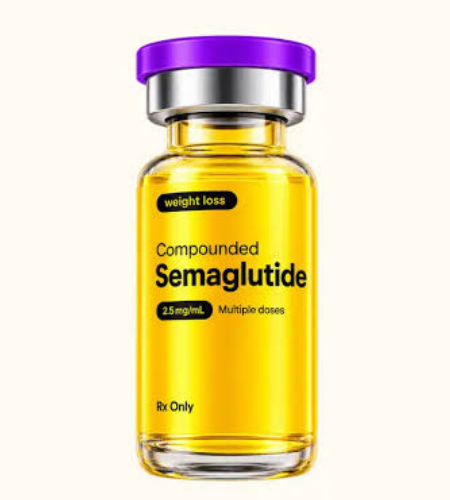
Semaglutide is a medication that mimics glucagon-like peptide-1, commonly known as GLP-1. This naturally occurring hormone helps regulate blood sugar, appetite, and digestion.
Semaglutide works by:
- Stimulating insulin release when blood glucose levels rise.
- Reducing glucagon secretion when appropriate.
- Slowing stomach emptying.
- Influencing appetite signals and feelings of fullness.
It is available under different brand names and formulations. Wegovy is FDA-approved for certain chronic weight management indications, while Ozempic is approved for specific type 2 diabetes indications.
These products contain the same active ingredient but are not interchangeable simply because they share semaglutide.
What Is Tirzepatide?
Tirzepatide is a prescription medication that acts on two hormone receptors: GIP and GLP-1.
GIP stands for glucose-dependent insulinotropic polypeptide. Like GLP-1, it participates in blood sugar regulation and metabolic processes.
Tirzepatide works through several mechanisms:
- Activates GIP and GLP-1 receptors.
- Supports glucose-dependent insulin release.
- Helps regulate appetite.

- Slows stomach emptying, particularly during initial treatment.
Mounjaro is approved for specific type 2 diabetes indications, while Zepbound is approved for chronic weight management in eligible adults.
Its dual-receptor activity is the main biological difference between tirzepatide and semaglutide.
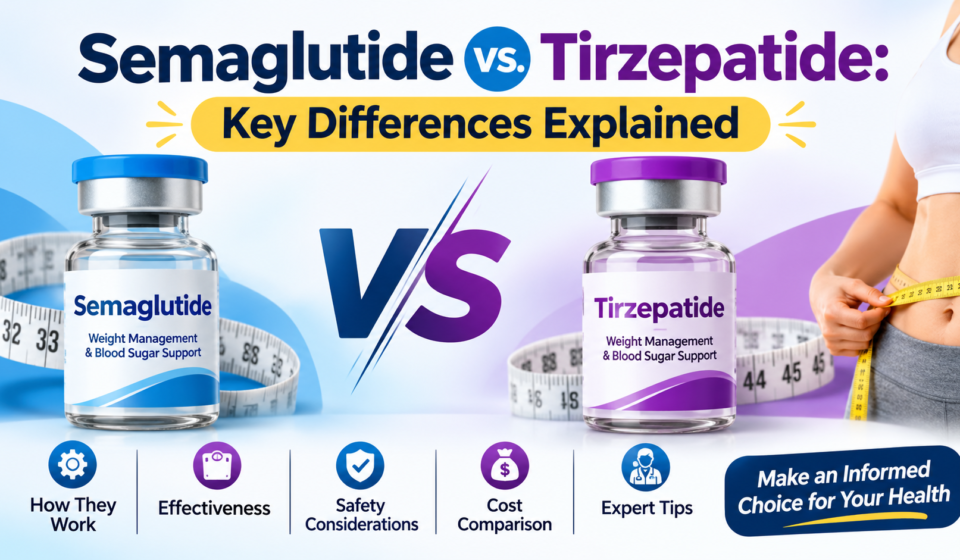
Semaglutide vs. Tirzepatide: Key Differences
Although these medications share some effects, their mechanisms and approved products differ.
| Comparison | Semaglutide | Tirzepatide |
|---|---|---|
| Main action | GLP-1 receptor agonist | GIP and GLP-1 receptor agonist |
| Hormone pathways | One | Two |
| Weight management brand | Wegovy | Zepbound |
| Diabetes brand | Ozempic | Mounjaro |
| Administration | Product-dependent | Product-dependent |
| Common side effects | Digestive symptoms | Digestive symptoms |
Both medications are generally used alongside nutrition and physical activity changes when prescribed for weight management.
Which Medication Is More Effective?
Clinical research suggests that tirzepatide may produce greater average weight reduction than semaglutide in certain studied populations.
For example, the SURMOUNT-5 clinical trial directly compared tirzepatide with semaglutide in adults with obesity without diabetes. Average weight reduction was greater with tirzepatide over the study period.
However, these results should not be interpreted as a guarantee for individual patients.
Factors that influence treatment response include:
- Starting health status.
- Prescribed dosage and treatment duration.
- Medication tolerability.
- Lifestyle habits.
- Other medical conditions.
The most effective option is not necessarily the medication associated with the highest average clinical trial result. Safety, suitability, affordability, and personal medical needs matter too.
Common Side Effects and Safety Considerations
Both medications can cause digestive side effects, particularly when treatment begins or dosages increase.
Common side effects include:
- Nausea and vomiting.
- Diarrhea.
- Constipation.
- Abdominal discomfort.
- Reduced appetite.
Less common but potentially serious complications include pancreatitis, gallbladder problems, dehydration-related kidney injury, and severe gastrointestinal reactions.
Both medications also carry important warnings concerning thyroid C-cell tumors observed in animal studies. They should not be used by people with a personal or family history of medullary thyroid carcinoma or multiple endocrine neoplasia syndrome type 2.
Anyone considering either treatment should discuss their medical history, existing medications, and potential risks with a qualified healthcare professional.
How CoreAge Rx Fits Into These Treatment Options
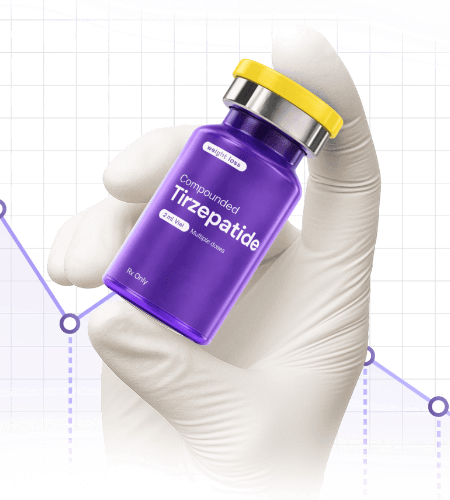
CoreAge Rx is an online telehealth platform offering access to compounded semaglutide and tirzepatide through licensed healthcare providers.
Its treatment options allow eligible individuals to complete an online medical intake and have their information reviewed by a licensed provider.
Relevant offerings include:
- Compounded semaglutide.
- Compounded tirzepatide.
- Medication delivery through pharmacy partners.
- Online medical evaluations.
- Provider-guided prescription decisions.
CoreAge Rx advertises semaglutide starting at $79 per month and tirzepatide starting at $129 per month on its listed plans. Actual costs depend on the selected payment plan and current terms.
An important distinction is that compounded medications are not FDA-approved products. The FDA does not review compounded medications for safety, effectiveness, or quality before marketing. They should only be considered when a patient’s medical needs cannot be met by an FDA-approved medication and a licensed prescriber determines compounding is appropriate.
Questions to Ask Your Doctor Before Choosing
Before starting either medication, consider discussing these questions:
- Which medication is appropriate for my medical history?
- What benefits and risks should I understand?
- How will my treatment response be monitored?
- What should I do if I experience side effects?
- What will treatment cost over several months?
- What happens if I need to discontinue treatment?
These questions can help make the treatment decision more informed and realistic.
💎 Unlock Special Discounts & Offers
Frequently Asked Questions
1. Is semaglutide better than tirzepatide?
Neither is universally better. Tirzepatide produced greater average weight reduction in a direct clinical comparison, but individual suitability and response vary.
2. What is the main difference between semaglutide and tirzepatide?
Semaglutide activates GLP-1 receptors, while tirzepatide activates both GIP and GLP-1 receptors.
3. Can semaglutide and tirzepatide be taken together?
They are generally not recommended together. Combining these medications can increase medication-related risks and should not be attempted without appropriate medical guidance.
4. Do both medications require a prescription?
Yes. Both are prescription medications and require evaluation by an appropriately licensed healthcare professional.
5. Does CoreAge Rx offer both medications?
Yes. CoreAge Rx lists compounded semaglutide and tirzepatide options, subject to medical evaluation and prescription approval.
Conclusion
Understanding semaglutide vs. tirzepatide can help adults make more informed decisions about modern weight management. Both medications influence appetite and blood sugar regulation, but their hormonal mechanisms differ.
Tirzepatide activates two hormone receptors, whereas semaglutide targets GLP-1 receptors. Clinical evidence suggests differences in average weight reduction, but the right treatment depends on individual medical needs, safety considerations, and affordability.
CoreAge Rx provides an online option for exploring compounded versions of both medications through a provider evaluation process. Before considering either treatment, discuss FDA-approved options, compounded medication limitations, potential side effects, and long-term treatment expectations with a qualified healthcare professional.