Table Of Content
- Why Under-Sink Reverse Osmosis Water Filters Matter
- How Does an Under-Sink Reverse Osmosis System Work?
- How AquaTru Fits Under-Sink Water Filtration
- Key Features of the AquaTru Under Sink System
- 1. Four-Stage Reverse Osmosis Technology
- 2. Dedicated Drinking Water Faucet
- 3. Purified Water Storage
- 4. Leak Detection
- 5. Filter Replacement Reminders
- Installation and Maintenance Requirements
- Pricing and Long-Term Ownership Costs
- Pros and Cons of Under-Sink Reverse Osmosis Filters
- Frequently Asked Questions
- 1. Is an under-sink reverse osmosis system better than a countertop filter?
- 2. Does AquaTru Under Sink require a plumber?
- 3. How many contaminants does AquaTru Under Sink reduce?
- 4. How often should under-sink water filters be replaced?
- 5. Does an under-sink reverse osmosis system need electricity?
- Conclusion
Having access to filtered water directly from your kitchen tap can make everyday cooking and drinking more convenient. However, choosing the right home filtration system requires understanding how different technologies work and what they can actually remove. Under-sink reverse osmosis water filters are designed for households that want additional water purification without keeping a large filtration appliance on the kitchen counter. These systems are installed beneath the sink and connect to the household water supply, providing a dedicated source of filtered water. From understanding filtration stages to comparing installation requirements and maintenance expenses, there are several factors worth considering. AquaTru offers an under-sink purification option that brings its multi-stage reverse osmosis technology into a more permanent kitchen setup.
Why Under-Sink Reverse Osmosis Water Filters Matter
A kitchen tap provides convenient access to water, but its quality can vary depending on the local supply, plumbing infrastructure, and treatment process. Although municipal water systems treat drinking water, some households prefer an additional filtration step.
An under-sink reverse osmosis system can help reduce selected dissolved substances and contaminants through a specialized membrane and additional filtration stages.
Its main advantages include:
- Space-saving design: The main purification equipment stays beneath the kitchen sink.
- Convenient access: Filtered water can be dispensed through a dedicated faucet.
- Multi-stage purification: Different filters target different types of impurities.
- Everyday usability: Filtered water can be used for drinking, beverages, and cooking.
- Reduced bottled-water dependence: Households may need fewer single-use bottled water purchases.
These advantages make under-sink systems worth considering for people who regularly use filtered water and prefer a permanent installation.
How Does an Under-Sink Reverse Osmosis System Work?
Reverse osmosis uses pressure to move water through a semi-permeable membrane. The membrane separates water from many dissolved substances, directing filtered water toward a storage tank or dispensing system.
Most multi-stage systems combine several filtration methods to improve purification.
Pre-filtration: A mechanical filter captures sediment, rust, and larger particles that may enter the water supply.
Carbon filtration: Activated carbon helps reduce chlorine, chloramines, and certain chemicals that can affect water taste and odor.
Reverse osmosis membrane: This stage reduces various dissolved contaminants, including selected heavy metals and inorganic substances.
Final carbon filtration: Another carbon stage helps reduce certain remaining chemical compounds and improve the drinking experience.
The exact filtration capabilities depend on the system. Always review its performance data to understand which contaminants have been independently tested.
How AquaTru Fits Under-Sink Water Filtration
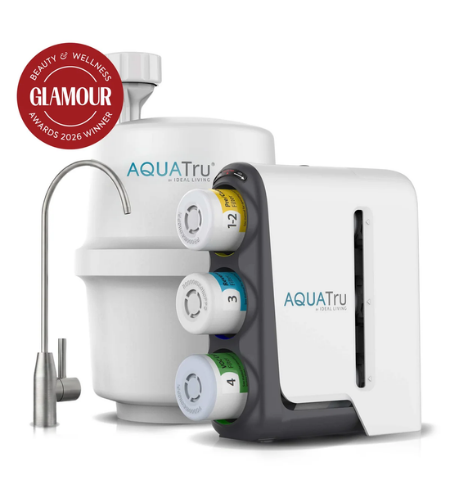
AquaTru offers an under-sink water purification system for households that prefer filtered water directly from a dedicated kitchen faucet. Unlike its countertop models, this system is installed beneath the sink, keeping the main filtration equipment out of sight.
The AquaTru Under Sink purifier combines four-stage reverse osmosis technology with a separate purified-water storage tank. Its design is intended to provide convenient access to filtered water for everyday household activities.
According to the brand, the system is independently tested and certified by IAPMO to applicable NSF standards for reducing 84 contaminants. These include lead, arsenic, fluoride, chlorine, and selected PFAS compounds.
The system also includes leak-detection technology, a control panel, and a dedicated faucet. These features make it an option worth examining for households that want a permanent filtration setup rather than a refillable countertop appliance. AquaTru+1
Key Features of the AquaTru Under Sink System
Several features are worth comparing when evaluating this model.
1. Four-Stage Reverse Osmosis Technology
The system combines pre-filtration, carbon filtration, a reverse osmosis membrane, and final VOC carbon filtration. Each stage has a different role in reducing selected contaminants.
2. Dedicated Drinking Water Faucet
A separate faucet provides access to purified water without requiring users to fill a removable countertop reservoir. This can be convenient when preparing beverages, filling bottles, or cooking.
3. Purified Water Storage
AquaTru lists a storage capacity of up to 1.7 gallons. This allows filtered water to remain available for dispensing when needed.
4. Leak Detection
The built-in leak-detection feature provides an additional monitoring function beneath the sink. It is particularly relevant because water leaks in enclosed kitchen cabinets can be difficult to notice immediately.
5. Filter Replacement Reminders
The system includes visual and audible notifications to help users monitor filter replacement requirements. Its TruPure RO Sanitizer is also designed to simplify periodic system sanitization. AquaTru+1
Installation and Maintenance Requirements
Installation is one of the most important considerations when purchasing an under-sink water purifier.
Unlike countertop systems, the AquaTru Under Sink requires a plumbing connection and installation beneath the kitchen sink. The installation process involves working with pipes, so AquaTru recommends using a certified plumber if you are unfamiliar with plumbing work.
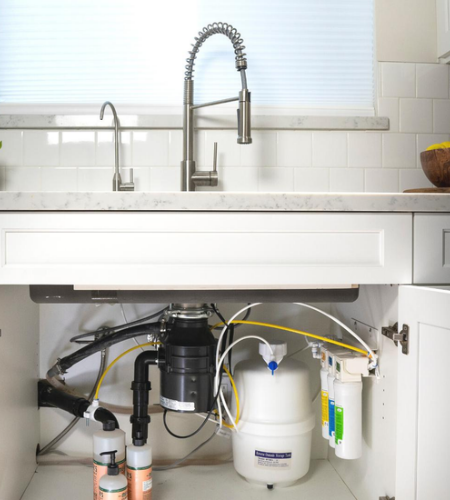
Before purchasing, check:
- Available cabinet space.
- Compatibility with your existing plumbing.
- Access to the required installation connections.
- Space for the storage tank.
- The location of the dedicated faucet.
Filter maintenance also matters. AquaTru provides the following recommended replacement intervals for its under-sink system:
| Filter | Recommended replacement |
|---|---|
| Pre-filter | 6 months or 360 gallons |
| Reverse osmosis filter | 2 years or 1,200 gallons |
| VOC carbon filter | 1 year or 360 gallons |
These are maximum recommended intervals, whichever comes first. Actual requirements should be checked against the latest instructions for your particular model. Help Center+1
Pricing and Long-Term Ownership Costs
AquaTru’s Under Sink system has been listed at $395, although prices may change. Additional costs include replacement filters, installation, and routine maintenance. Compare these expenses before purchasing to understand the long-term investment.
Pros and Cons of Under-Sink Reverse Osmosis Filters
Potential Advantages
- Hidden under-sink design saves counter space.
- Dedicated faucet provides filtered water.
- Multiple filtration stages.
- Large purified-water storage capacity.
- Leak detection and filter replacement reminders.
- May reduce bottled-water purchases.
Potential Disadvantages
- Requires plumbing installation.
- Takes up cabinet space.
- Replacement filters add recurring costs.
- Needs periodic cleaning and sanitization.
- Higher upfront cost than basic water pitchers.
Frequently Asked Questions
1. Is an under-sink reverse osmosis system better than a countertop filter?
Neither option is automatically better. Under-sink systems offer permanent installation and dedicated faucet access, while countertop models are generally easier to set up and move.
2. Does AquaTru Under Sink require a plumber?
AquaTru recommends hiring a certified plumber because installation involves connecting the system to your plumbing and working with pipes beneath the sink.
3. How many contaminants does AquaTru Under Sink reduce?
According to AquaTru, its under-sink purifier is independently tested and certified by IAPMO to applicable NSF standards for reducing 84 contaminants. Check its performance data sheet for specific results.
4. How often should under-sink water filters be replaced?
Replacement intervals depend on the filter type and water consumption. AquaTru lists intervals ranging from six months to two years for its under-sink filters.
5. Does an under-sink reverse osmosis system need electricity?
The AquaTru Under Sink system does not require electricity, according to the brand’s FAQ.
Conclusion
Under-sink reverse osmosis water filters can be a practical choice for households that want convenient access to filtered drinking water without placing another appliance on the kitchen counter. However, installation requirements, cabinet space, filtration performance, and ongoing maintenance should all influence your decision.
AquaTru provides an under-sink purification option featuring four-stage reverse osmosis filtration, a dedicated faucet, leak detection, and filter replacement reminders. Its system may be worth considering if you prefer a permanent kitchen filtration setup.
Before choosing a model, compare its specifications, independently tested contaminant reduction data, installation requirements, and replacement filter costs. Visit the official AquaTru website to review the available under-sink purification options and decide whether they match your household’s needs.