
Table Of Content
- 🎉 Exclusive Deals & Massive Savings
- Why Does Metabolism Change With Age?
- How to Maintain a Healthy Weight as You Get Older
- 1. Prioritize Balanced Meals
- 2. Include Strength Training
- 3. Maintain Consistent Sleep Habits
- 4. Monitor Progress Beyond the Scale
- Key Things to Consider Before Choosing a Program
- How Maximus Fits Into Weight Management
- Pros and Cons of Exploring Maximus
- 📦 Smart Bundles at Better Prices
- Frequently Asked Questions
- 1. Does metabolism naturally slow down with age?
- 2. How can I manage weight after 40?
- 3. Does muscle loss affect weight management?
- 4. Can older adults lose weight safely?
- 5. Does Maximus offer weight-management programs?
- 6. Is medication necessary for managing weight as you age?
- Related Resources
- Conclusion
Getting older can bring noticeable changes in body weight, muscle mass, appetite, and daily energy needs. Many people find that maintaining the same weight becomes more challenging, even when their eating habits have not changed significantly. Understanding metabolism and weight management as you get older can help you make better decisions about food, physical activity, and long-term habits. Aging naturally affects body composition, but weight changes are influenced by several factors, including muscle mass, sleep, activity levels, and overall health. With practical lifestyle adjustments and reliable medical guidance when needed, it is possible to work toward a healthy weight at different stages of life. Maximus is one platform offering clinician-guided options for adults exploring weight management.
🎉 Exclusive Deals & Massive Savings
Why Does Metabolism Change With Age?
Metabolism refers to the processes through which the body converts food into energy. As people age, changes in muscle mass, physical activity, and body composition can influence how many calories the body uses.
Muscle tissue requires more energy than fat tissue. When muscle mass decreases over time, daily energy requirements may also change. A more sedentary routine can contribute to this process.

Several factors can influence weight changes:
- Muscle loss: Gradual reductions in muscle mass can affect strength and energy requirements.
- Reduced activity: Spending more time sitting may lower daily calorie expenditure.
- Hormonal changes: Age-related hormonal changes can influence body composition.
- Sleep patterns: Changes in sleep can affect appetite and everyday routines.
- Eating habits: Portions and food choices may remain the same even when activity levels decrease.
These changes do not affect everyone equally. Genetics, medical history, medications, and lifestyle also play important roles.
How to Maintain a Healthy Weight as You Get Older
Maintaining a healthy weight involves more than simply reducing calories. A balanced approach should consider muscle preservation, food quality, physical activity, and overall well-being.
1. Prioritize Balanced Meals
Choose meals that provide a variety of nutrients. Include vegetables, fruits, whole grains, lean protein sources, and healthy fats.
Protein deserves particular attention because it helps maintain muscle tissue. Options such as eggs, fish, beans, chicken, and dairy products can help provide protein throughout the day.
Avoid extreme food restrictions. Older adults have different nutritional needs, and overly restrictive eating can make it harder to obtain essential nutrients.
2. Include Strength Training
Resistance exercise can help maintain muscle mass and strength as the body ages.
Useful activities include:
- Bodyweight squats and modified push-ups.
- Resistance-band exercises.
- Light weightlifting.
- Exercises designed to improve balance.
- Walking and other enjoyable aerobic activities.

The National Institute on Aging recommends at least 150 minutes of moderate-intensity aerobic activity each week, alongside muscle-strengthening activities. Individual exercise plans should account for physical ability and medical conditions. National Institute on Aging+1
3. Maintain Consistent Sleep Habits
Sleep is an important part of maintaining healthy daily routines. Poor sleep can influence appetite, food choices, motivation, and activity levels.
Try to:
- Maintain a consistent bedtime.
- Create a comfortable sleeping environment.
- Reduce unnecessary screen time before bed.
- Keep a regular daily schedule.
Persistent sleep difficulties should be discussed with a healthcare professional.
4. Monitor Progress Beyond the Scale
Body weight does not tell the complete story. Two people with similar weights can have very different amounts of muscle and body fat.
Consider tracking:
- Changes in strength.
- Waist measurements.
- Physical activity.
- Energy levels.
- Everyday mobility.
- General progress over time.
The goal should be maintaining a healthy body composition rather than chasing a particular number.
Key Things to Consider Before Choosing a Program
Before exploring a weight-management service, consider the following:
- Medical evaluation: Understand whether a licensed clinician reviews your medical history.
- Personal suitability: Check whether the program is appropriate for your age and health circumstances.
- Treatment details: Understand the medications, potential side effects, and monitoring requirements.
- Long-term costs: Review the complete pricing structure before enrolling.
- Ongoing care: Determine how follow-up appointments and medical questions are handled.
Maximus offers an online approach to accessing clinician-guided programs, but it should not replace regular primary healthcare.
How Maximus Fits Into Weight Management
Maximus is an online platform offering clinician-guided programs in areas such as weight management and testosterone care. Its services are designed for adults interested in exploring personalized medical options.
The platform lists several weight-management options, including clinician-prescribed medications and GLP-1-related treatments. Availability and eligibility depend on individual medical circumstances.
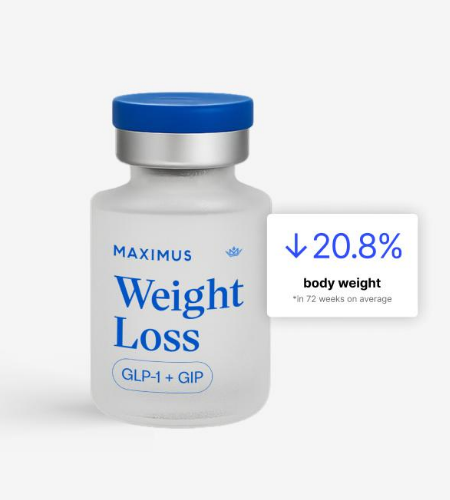
Maximus describes a process involving an initial health questionnaire, clinician evaluation, and personalized recommendations. Additional testing or follow-up monitoring may be required depending on the selected program. Online Testosterone & GLP-1 Weight Loss+1
It is important to understand that prescription treatments are not suitable for everyone. They should be considered only after an appropriate medical assessment.
Pros and Cons of Exploring Maximus
Potential advantages
- Online access to clinician evaluations.
- Multiple weight-management options.
- Personalized recommendations when appropriate.
- Follow-up and monitoring options.
- Information about different treatment approaches.
Things to consider
- Prescription eligibility is not guaranteed.
- Treatment costs can vary.
- Medical treatments may have side effects.
- Availability can depend on location.
- Lifestyle habits remain important for long-term weight management.
📦 Smart Bundles at Better Prices
Frequently Asked Questions
1. Does metabolism naturally slow down with age?
Metabolism and energy requirements can change with age. Reduced muscle mass and lower activity levels can contribute to these changes, although individual experiences vary.
2. How can I manage weight after 40?
Focus on balanced meals, regular physical activity, strength training, adequate sleep, and consistent habits. Consider professional guidance if weight changes are difficult to understand.
3. Does muscle loss affect weight management?
Yes. Muscle contributes to daily energy expenditure. Maintaining muscle through appropriate resistance exercise can help preserve strength and influence body composition.
4. Can older adults lose weight safely?
Yes, but weight management should consider muscle preservation, nutritional needs, and existing medical conditions. Older adults should consult a healthcare professional before beginning a weight-loss program.
5. Does Maximus offer weight-management programs?
Yes. Maximus lists clinician-guided weight-management options, including prescription-based treatments. Eligibility and treatment decisions depend on individual medical evaluations.
6. Is medication necessary for managing weight as you age?
No. Many people can work toward a healthy weight through sustainable eating habits and physical activity. Medication may be considered when medically appropriate, following professional evaluation.
Related Resources
For additional information about the platform, its services, treatment options, and pricing, explore the Maximus review published on Reviewness.
Conclusion
Metabolism and weight management as you get older require a balanced and realistic approach. Changes in muscle mass, activity levels, sleep, and body composition can influence weight, but healthy habits remain valuable throughout adulthood.
Prioritize nutritious meals, regular movement, strength training, and consistent routines. If additional medical guidance is needed, exploring clinician-guided options from Maximus may help you understand the available approaches. Visit the official Maximus website to review its programs and determine whether further evaluation is appropriate.