
Table Of Content
- 🎉 Exclusive Deals & Massive Savings
- Why Testosterone Changes With Age
- Common Changes Men May Notice
- How to Check Testosterone Levels
- How Maximus Fits Into Men’s Hormone Care
- Understanding Testosterone Treatment Options
- Important Considerations Before Treatment
- Why Consider Maximus?
- 📦 Smart Bundles at Better Prices
- Frequently Asked Questions
- Related Resources
- Conclusion
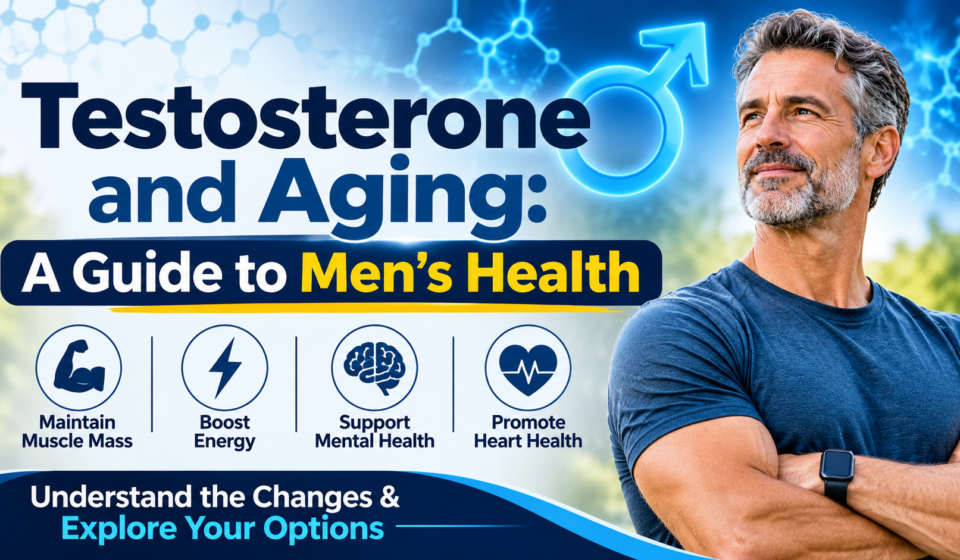
Testosterone and aging are closely connected, as hormone levels can gradually change throughout a man’s life. Testosterone plays an important role in muscle development, bone strength, reproductive function, and other aspects of men’s health. As men get older, they may notice changes in physical strength, energy, motivation, and body composition. However, these changes are not always caused by low testosterone. Sleep habits, stress, medical conditions, and other factors can also influence how men feel. Understanding testosterone and aging can help men recognize possible changes, make informed decisions, and know when to seek professional advice. Maximus offers clinician-guided options for men interested in understanding their hormone levels and exploring appropriate care.
🎉 Exclusive Deals & Massive Savings
Why Testosterone Changes With Age
Testosterone is a hormone primarily produced in the testes. It contributes to several important functions, including:
- Maintaining muscle mass and physical strength.
- Supporting bone density.
- Regulating sex drive and reproductive functions.
- Contributing to red blood cell production.
- Influencing mood and general physical development.

Testosterone levels generally decline gradually with age, although the rate varies between individuals. This does not mean every older man develops testosterone deficiency. Many men maintain levels within the normal range throughout later adulthood.
Other factors can influence hormone levels, including excess body weight, certain medications, chronic medical conditions, poor sleep, and general health.
Common Changes Men May Notice
As men age, they may experience physical and lifestyle changes that deserve attention.
1. Changes in Energy
Some men notice increased tiredness or reduced stamina. However, fatigue can have several causes, including sleep problems, stress, and other medical conditions.
2. Muscle and Body Composition
Maintaining muscle can become more challenging with age. Regular resistance exercise, adequate protein intake, and consistent physical activity can help preserve muscle mass.
3. Changes in Motivation and Mood
Some men report changes in motivation, concentration, or mood. These experiences are not specific to testosterone deficiency and should be evaluated in the context of overall health.
4. Changes in Sexual Health
Reduced sexual desire and fewer spontaneous erections can sometimes be associated with low testosterone. However, cardiovascular conditions, medication effects, and other factors may also contribute.
Recognizing these changes is useful, but symptoms alone cannot confirm a hormone deficiency.
How to Check Testosterone Levels
A blood test is the standard way to measure testosterone levels. Medical professionals generally recommend testing in the morning because hormone concentrations can vary throughout the day.
A proper evaluation usually involves:
- Discussing symptoms and medical history.
- Reviewing current medications and existing conditions.
- Measuring morning testosterone levels.

- Repeating testing to confirm consistently low results.
- Considering additional hormone tests when appropriate.
According to Endocrine Society guidance, a diagnosis of hypogonadism requires compatible symptoms and consistently low testosterone measurements. A single low reading is not enough to establish the diagnosis.
How Maximus Fits Into Men’s Hormone Care
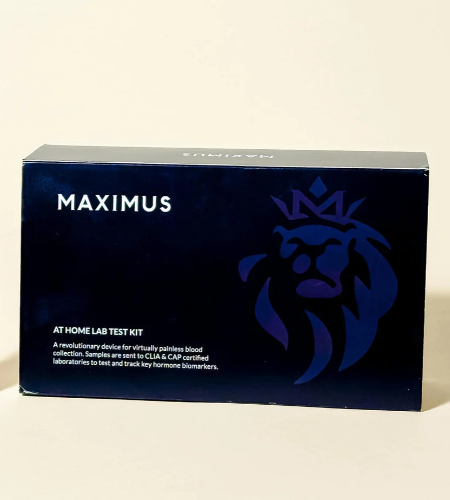
Maximus is a men’s healthcare platform offering clinician-guided programs that include testosterone-related care.
Its approach involves reviewing individual health information before determining whether a particular treatment option is appropriate.
The general process includes:
- Selecting a relevant care program.
- Completing an intake questionnaire.
- Having a licensed clinician review medical information.
- Completing required testing or evaluations.
- Receiving a personalized recommendation when appropriate.
- Continuing with follow-up care and monitoring.
Maximus offers different prescription options, including injectable testosterone, testosterone cream, oral testosterone, and enclomiphene-based protocols.
These options are not interchangeable. Their suitability depends on individual medical circumstances, treatment goals, and clinical assessment.
Understanding Testosterone Treatment Options
Different approaches are available for men with clinically diagnosed testosterone deficiency.
Testosterone Replacement Therapy (TRT)
TRT involves providing testosterone through prescribed forms such as injections, creams, or other available preparations. It may be considered when a healthcare professional confirms testosterone deficiency.
Enclomiphene
Enclomiphene works differently from traditional testosterone replacement. It influences hormonal signaling involved in the body’s own testosterone production. It may be considered in selected circumstances under medical supervision.
Lifestyle and General Health Habits
Not every concern requires prescription treatment. Maintaining a balanced routine can also be important.
Helpful habits include:
- Getting consistent, adequate sleep.
- Following a balanced eating pattern.
- Including resistance training in your routine.
- Maintaining a healthy body weight.
- Managing stress.
- Discussing persistent health concerns with a clinician.
Important Considerations Before Treatment
Testosterone treatment is not suitable for everyone. It requires an individualized assessment and ongoing medical supervision.
One important consideration is fertility. External testosterone treatment can suppress the body’s natural hormone signaling and reduce sperm production. Men planning to have children should discuss this before beginning treatment.
Other considerations include prostate health, blood counts, cardiovascular history, sleep-related conditions, and potential medication interactions.
The Endocrine Society recommends against routinely prescribing testosterone to every older man with lower hormone levels. Treatment decisions should consider symptoms, confirmed test results, potential benefits, and individual risks.
Why Consider Maximus?
Maximus provides a structured approach to accessing men’s healthcare services.
Some features of its platform include:
- Access to licensed healthcare clinicians.
- Individual medical evaluations.
- Different prescription protocol options.
- Follow-up monitoring when required.
- Online communication through its platform.
- Prescription fulfillment through partner pharmacies when approved.
Potential advantages:
- Online access to clinician-guided care.
- Multiple treatment approaches.
- Individualized evaluations.
- Ongoing communication and monitoring.
Things to consider:
- Prescription eligibility is not guaranteed.
- Some programs require additional testing.
- Treatment costs vary by selected protocol.
- Ongoing monitoring may be necessary.
- Prescription treatment carries potential risks and side effects.
Men should review current program details and discuss their circumstances with a qualified healthcare professional before choosing a treatment.
📦 Smart Bundles at Better Prices
Frequently Asked Questions
1. Does testosterone naturally decrease with age?
Yes. Testosterone levels generally decline gradually as men get older, although the amount of change varies.
2. What are common signs of low testosterone?
Possible signs include reduced sexual desire, fewer spontaneous erections, reduced muscle mass, and unexplained fatigue. These symptoms can also have other causes.
3. At what age should men check testosterone levels?
There is no universal age for testing. Men experiencing symptoms that suggest testosterone deficiency should discuss appropriate testing with a healthcare professional.
4. Can exercise help maintain healthy testosterone levels?
Regular physical activity, resistance training, adequate sleep, and maintaining a healthy body weight can contribute to general health and hormonal function.
5. Does testosterone treatment affect fertility?
Yes. External testosterone can reduce sperm production. Men concerned about fertility should discuss alternative approaches with their clinician.
6. Does Maximus provide online men’s healthcare?
Yes. Maximus offers clinician-guided online programs, subject to medical evaluation, prescription eligibility, and applicable regulations.
Related Resources
For additional information about the platform, its services, treatment options, and pricing, explore the Maximus review published on Reviewness.
Conclusion
Testosterone and aging are important topics for men who want to understand changes in their bodies over time. Although hormone levels can gradually decline, age alone does not mean that treatment is necessary. Understanding symptoms, getting appropriate blood tests, and discussing results with a qualified healthcare professional are essential steps. Maximus provides access to clinician-guided men’s healthcare options for eligible individuals. Explore its official website to learn more about available programs and make informed decisions about your health.