


Table Of Content
- Save More on Every Order – Grab the Latest Coupons & Deals
- What Are Skincare Essentials?
- The Basic Skincare Routine: Your Three Essential Steps
- Step 1: Cleanse
- Step 2: Moisturize
- Step 3: Sunscreen
- Basic Skincare Routine Steps: Morning vs. Night
- Morning: Protect
- Night: Cleanse and Support
- Skincare Routine Essentials by Skin Type
- Basic Skincare Routine for Dry Skin
- Basic Skincare Routine for Oily Skin
- Basic Skincare for Sensitive Skin
- Basic Skincare for Combination Skin
- Basic Skincare Routine for Men: Keep It Simple
- What About Serums, Oils, Balms and Eye Creams?
- Vitamin C
- Cleansing Balms and Oils
- Facial Oils
- The Rise of Ingredient-Focused Skincare
- Tea Tree
- Frankincense
- Blue Tansy
- Luxury Skincare vs. Basic Skin Essentials
- The “Less Is More” Skincare Revolution
- Travel Skincare Essentials: What Should You Pack?
- Skincare Essentials for Beginners: The 30-Day Approach
- Week 1: Establish the Foundation
- Week 2: Observe
- Week 3: Add One Targeted Product
- Week 4: Evaluate
- Hidden Skincare Fact: Your Routine Doesn’t Start With a Product
- Don’t Pay Full Price – Unlock Exclusive Store Discounts
- Key Insights: The Skincare Essentials That Matter Most
- 🛍️ SkincareEssentials.com — Pros & Cons
- ✅ Pros
- ❌ Cons
- Skincare Essentials: Frequently Asked Questions
- What are the 3 basic skincare essentials?
- What is the best basic skincare routine for beginners?
- What is a basic skincare routine for men?
- What are the best skincare essentials for dry skin?
- What are the best skincare essentials for oily skin?
- Do I need expensive skincare products?
- Is a cleansing balm an essential skincare product?
- Are natural oils good for skin?
- How many skincare products do I really need?
- What is the correct order for a skincare routine?
- Final Thoughts: Your Best Skin Routine May Be the Simplest One
Meta Description: Discover the skincare essentials you really need, from cleanser and moisturizer to SPF, plus simple routines for beginners, men, dry, oily and sensitive skin.
The skincare aisle has never been more crowded. There are cleansing balms, essences, vitamin C kits, facial oils, eye creams, overnight masks, SPF moisturizers—and seemingly endless products promising “glass skin.”
But here is the uncomfortable truth: you probably don’t need most of them.
The real skincare essentials are surprisingly simple. A good routine begins with understanding your skin, protecting its barrier, cleansing without over-stripping, moisturizing consistently, and using sunscreen every morning. Dermatology guidance also emphasizes that an effective routine does not have to be expensive or complicated.
So whether you’re searching for skin essentials, building a basic skincare routine for beginners, looking for skincare essentials for men, or simply trying to figure out which products deserve space on your bathroom shelf, this guide breaks everything down.
Save More on Every Order – Grab the Latest Coupons & Deals:
What Are Skincare Essentials?
Skincare essentials are the products and habits that form the foundation of healthy-looking skin.
At its simplest, your routine can revolve around three core categories:
- Cleanser — removes dirt, sweat, excess oil and makeup.
- Moisturizer — helps maintain hydration and support the skin barrier.
- Sunscreen — protects exposed skin from ultraviolet radiation.
The American Academy of Dermatology specifically recommends a simple approach built around cleansing, moisturizing and sun protection.
Everything else—serums, exfoliants, facial oils, masks, eye creams and specialized treatments—should be considered optional additions based on your skin type and goals.
That distinction matters.
A 10-step routine isn’t automatically better than a three-step routine. In fact, dermatologists frequently emphasize that consistency matters more than having a huge collection of products.
The Basic Skincare Routine: Your Three Essential Steps
If you’re completely new to skincare, start here.
Step 1: Cleanse
A basic face wash should remove everyday buildup without leaving your skin feeling painfully tight.
Look for a cleanser appropriate for your skin type:
- Oily skin: lightweight or gel cleansers may feel comfortable.
- Dry skin: creamy, hydrating cleansers can be preferable.
- Sensitive skin: choose gentle, fragrance-free options.
- Combination skin: use something effective without aggressively stripping dry areas.
- Acne-prone skin: consider ingredients specifically suited to your concerns.
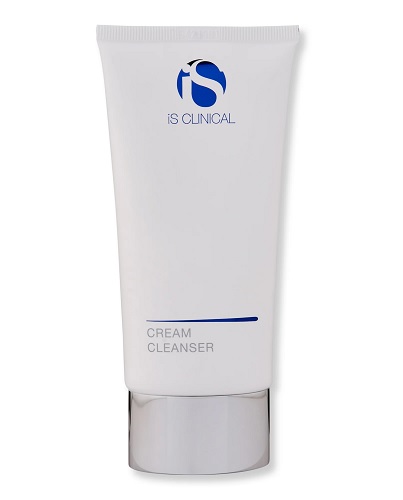
You don’t need to scrub aggressively. Dermatologists generally recommend gentle cleansing, and the AAD advises limiting face washing to around twice daily and after sweating.
This is where searches such as basic face wash, best basic face wash, skin essentials face wash, basic face cleansing routine, and basic facial cleansing steps become relevant.
Step 2: Moisturize
Moisturizer isn’t just for people with dry skin.
Even oily skin can benefit from moisturization. The goal is to choose a formula that matches your skin’s needs rather than avoiding moisturizer altogether.
Useful categories include:
- Lightweight gel moisturizers
- Barrier-supporting creams
- Fragrance-free moisturizers for sensitive skin
- Richer creams for very dry skin
- Non-comedogenic moisturizers for acne-prone skin
Applying moisturizer to slightly damp skin can help retain hydration.
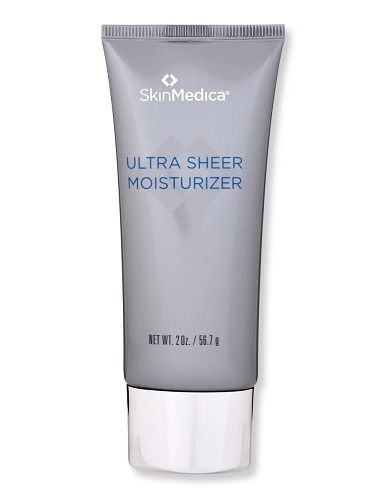
This is why searches for basic moisturizer, best basic moisturizer, good basic moisturizer, basic face lotion, and best basic facial moisturizer are all essentially asking the same underlying question:
What moisturizer can I use consistently without irritating my skin?
Step 3: Sunscreen
If you only add one “extra” step to a basic routine, make it sunscreen.
Broad-spectrum sunscreen with SPF 30 or higher is widely recommended for daily protection.
Sunscreen helps protect against UV-related skin damage, including premature visible aging and sunburn.
And no, sunscreen isn’t only a summer product.
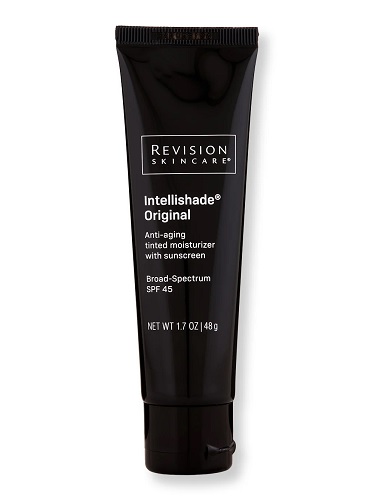
Daily exposure adds up, which is why modern skincare routines increasingly treat SPF as a year-round essential.
Basic Skincare Routine Steps: Morning vs. Night
One of the easiest ways to avoid confusion is to separate your routine into two purposes.
Morning: Protect
A practical morning skincare routine can look like:
Cleanser → Treatment/serum (optional) → Moisturizer → Sunscreen
Your morning routine is primarily about preparing and protecting your skin for the day.
If you’re interested in antioxidant skincare, vitamin C is one possible treatment step—but it isn’t mandatory for beginners.
Night: Cleanse and Support
At night:
Cleanser → Treatment (optional) → Moisturizer
This is where you can introduce targeted products such as retinoids, exfoliating acids or other treatments when appropriate.
The key is not to introduce everything simultaneously.
Cleveland Clinic recommends introducing new products carefully, particularly if your skin is sensitive, because even products marketed as “natural” can trigger irritation or allergic reactions.
Skincare Routine Essentials by Skin Type
The best skin essentials aren’t identical for everyone.
Basic Skincare Routine for Dry Skin
Dry skin often benefits from a gentler approach.
Prioritize:
- Gentle cleanser
- Hydrating moisturizer
- Barrier-supporting ingredients
- Daily sunscreen
- Minimal aggressive exfoliation
Searches such as basic skincare for dry skin, dry skin essentials, and basic skincare routine for dry skin usually indicate someone looking for hydration without an overwhelming routine.
Basic Skincare Routine for Oily Skin
Oily skin doesn’t mean you should strip away every trace of oil.
A simple routine can include:
- Gentle cleanser
- Lightweight moisturizer
- Sunscreen
- Optional targeted ingredients for oiliness or acne
Over-cleansing can leave skin feeling uncomfortable and may encourage people to compensate with even more aggressive products.
Basic Skincare for Sensitive Skin
Sensitive skin requires a “less is more” mindset.
Consider:
- Fragrance-free products
- Gentle cleansers
- Simple moisturizers
- Daily sunscreen
- Fewer active ingredients
Patch-testing new products can be particularly useful if you frequently experience irritation.
Basic Skincare for Combination Skin
Combination skin often requires compromise.
You may have an oily T-zone but drier cheeks, meaning a single heavy product across the entire face may not feel ideal.
A lightweight moisturizer and gentle cleanser can provide a good starting point.
Basic Skincare Routine for Men: Keep It Simple
Men’s skincare doesn’t need to be dramatically different.
The same fundamentals apply:
Cleanse → Moisturize → Protect with SPF
A basic skincare routine for men becomes especially useful when shaving is part of the daily routine.
Shaving can temporarily increase irritation, so avoid unnecessarily aggressive scrubbing immediately afterward.
For men’s skincare essentials, focus on products that are easy to use consistently rather than building a complicated shelf full of products.
Searches including basic skin care for men, basic skin care for guys, mens basic skincare routine, skincare essentials for men, and men’s skincare essentials all point toward the same principle: simplicity wins when it creates consistency.
What About Serums, Oils, Balms and Eye Creams?
This is where skincare becomes much more complicated.
The important question isn’t:
“Is this product popular?”
It’s:
“What problem am I trying to solve?”
Vitamin C
Vitamin C products are commonly used in routines focused on antioxidant support and uneven-looking skin tone.
You may encounter searches for:
- Murad vitamin C moisturizer
- Murad vitamin C kit
- Murad face wash vitamin C
- Murad vitamin C daily moisturizer
- Bare Minerals skincare
- Paula’s Choice glowing skin essentials
These are examples of how consumers increasingly search for skincare around a specific ingredient or desired outcome rather than simply searching “face cream.”
Cleansing Balms and Oils
Cleansing balms and cleansing oils can be particularly useful for removing makeup or sunscreen before a second cleanser.
Popular searches include Oak Essentials cleansing balm, Alpha-H cleansing balm, Kari Gran cleansing oil, and Eve Lom travel essentials.
But a cleansing balm isn’t automatically essential for everyone.
If you don’t wear makeup or water-resistant sunscreen and your regular cleanser works well, you may not need one.
Facial Oils
Facial oils have become another major skincare category.
People search for best natural oil for glowing skin, best natural oil for skin, best face oil for massage, frankincense skin oil, blue tansy oil skincare, rose oil skin care, and living libations oil.
Natural oils can feel luxurious and may help reduce moisture loss, but “natural” does not automatically mean “better” or “safer.”
If you have sensitive or reactive skin, introduce oils cautiously.
The Rise of Ingredient-Focused Skincare
One of the biggest shifts in beauty is the move toward ingredient-led shopping.
Instead of simply searching for “skincare,” people increasingly search for specific ingredients:
Tea Tree
Tea tree products are frequently associated with oily and blemish-prone skin routines.
Searches include tea tree skincare, tea tree oil skincare, best tea tree oil for skin, and tea tree oil for sensitive skin.
However, concentrated essential oils can irritate skin when used improperly. Never assume that applying a potent essential oil directly to the face is automatically safe.
Frankincense
Frankincense has a long history in traditional beauty and aromatherapy.
Modern searches include:
- Best skin ever frankincense
- Frankincense skincare
- Frankincense for face skin
- Frankincense oil for skin care
- Frankincense age-defying cream
- Rejuvenating frankincense skincare kit
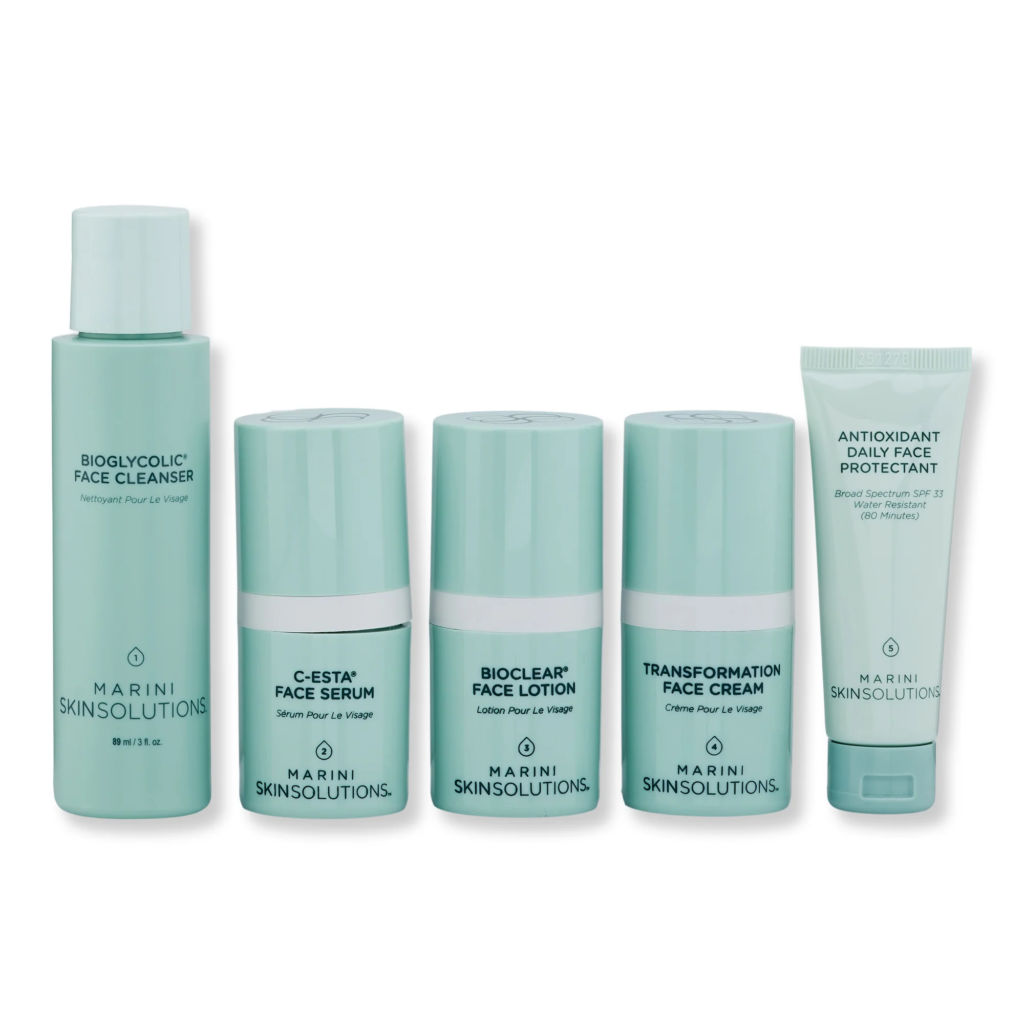
Its popularity illustrates a broader beauty trend: consumers are increasingly interested in botanical and sensory skincare.
Blue Tansy
Blue tansy has also become popular in natural skincare and aromatherapy.
You’ll see searches such as blue tansy skincare, blue tansy eye cream, and blue tansy in skincare.
Again, botanical does not automatically equal irritation-free. Formulation and individual tolerance matter.
Luxury Skincare vs. Basic Skin Essentials
The beauty industry has no shortage of premium skincare.
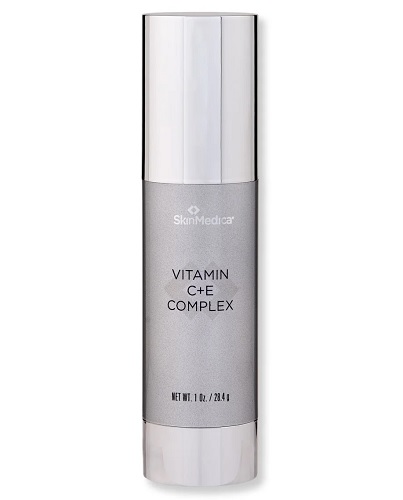
Names such as Sisley, Sulwhasoo, Tatcha, Forest Essentials, Elemis, Albion, Clarins, Kiehl’s, Tata Harper, Paula’s Choice, Murad, Medik8, Obagi, SkinMedica, and Origins frequently appear in searches for sophisticated skincare routines.
Examples include:
- Sisley All Day All Year
- Sulwhasoo firming cream
- Sulwhasoo rejuvenating eye cream
- Tatcha Dewy Skin Essentials
- Tatcha Clarifying Essentials
- Forest Essentials skincare
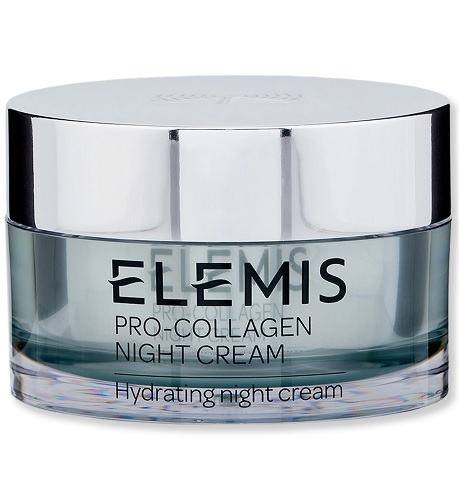
- Elemis Pro-Collagen Essentials Collection
- Medik8 CSA Kit
- Tata Harper Daily Essentials
- Kiehl’s Healthy Skin Essentials Kit
- Clarins Skincare Essentials Kit
- Epionce Kit
- DermaQuest Starter Kit
These products can be appealing, but premium packaging and price do not change the fundamental structure of a healthy routine.
Cleanse. Moisturize. Protect. Then personalize.
The American Academy of Dermatology notes that effective skincare does not have to be expensive, and reducing unnecessary products can also reduce irritation and cost.
The “Less Is More” Skincare Revolution
There is a fascinating contradiction happening in beauty.
Consumers have access to more skincare than ever, yet dermatologists continue to emphasize simplicity.
Why?
Because a complicated routine creates more opportunities for:
- Irritation
- Ingredient conflicts
- Over-exfoliation
- Unnecessary spending
- Product fatigue
- Inconsistent use
Cleveland Clinic similarly emphasizes tailoring skincare to your skin type and goals instead of blindly following an enormous routine.
Think of your routine like a wardrobe.
You don’t need 50 pairs of shoes to get dressed well.
You need a few dependable pieces that actually fit.
Skincare works much the same way.
Travel Skincare Essentials: What Should You Pack?
Travel is where minimalism becomes especially valuable.
A compact travel skincare essentials kit can include:
- Gentle face wash
- Moisturizer
- Sunscreen
- One targeted treatment, if necessary
- Lip moisturizer
- Optional cleansing balm or micellar product
Travel searches such as travel face wash kit, flight skincare essentials, in-flight skincare essentials, Elemis travel essentials, Eve Lom travel essentials kit, and grown alchemist travel essentials kit reflect a growing demand for portable routines.
Don’t turn a three-day trip into a chemistry experiment.
Bring products your skin already knows.
Skincare Essentials for Beginners: The 30-Day Approach
If you’re overwhelmed, try this.
Week 1: Establish the Foundation
Use only:
- Gentle cleanser
- Moisturizer
- SPF
Give your skin time to adjust.
Week 2: Observe
Ask yourself:
- Is my skin comfortable?
- Does it feel excessively dry?
- Is it unusually oily?
- Am I experiencing irritation?
- Is my sunscreen comfortable enough to use daily?
Week 3: Add One Targeted Product
If you have a specific goal, introduce one treatment product.
Don’t introduce three serums at once.
Week 4: Evaluate
Keep what works.
Remove what irritates you.
Ignore products that are popular but irrelevant to your skin.
This approach aligns with the broader dermatology principle that consistent use of a simple routine is often more useful than constantly changing products.
Hidden Skincare Fact: Your Routine Doesn’t Start With a Product
It starts with your skin type and goals.
Before buying another serum, ask:
What am I actually trying to improve?
Is it:
- Dryness?
- Oiliness?
- Uneven tone?
- Breakouts?
- Visible signs of aging?
- Sensitivity?
- Sun protection?
- Overall hydration?
That single question can eliminate dozens of unnecessary purchases.
And if you have persistent acne, painful lesions, a rash, infection, changing moles or another unusual skin problem, professional medical advice is more appropriate than simply adding another cosmetic product.
Don’t Pay Full Price – Unlock Exclusive Store Discounts:
Key Insights: The Skincare Essentials That Matter Most
If you remember nothing else from this guide, remember these points:
- A basic skincare routine can be remarkably simple.
- Cleanser, moisturizer and sunscreen form the foundation.
- SPF 30+ broad-spectrum sunscreen should be part of daily sun protection.
- Your skin type should influence product selection.
- Oily skin still needs hydration.
- Sensitive skin generally benefits from fewer, gentler products.
- Expensive skincare isn’t automatically more effective.
- “Natural” doesn’t automatically mean irritation-free.
- Add treatments according to a specific goal rather than following trends blindly.
- Introduce new products one at a time.
- Consistency matters more than having a 10-step routine.
- If you have persistent or concerning skin symptoms, consult a qualified healthcare professional.
🛍️ SkincareEssentials.com — Pros & Cons
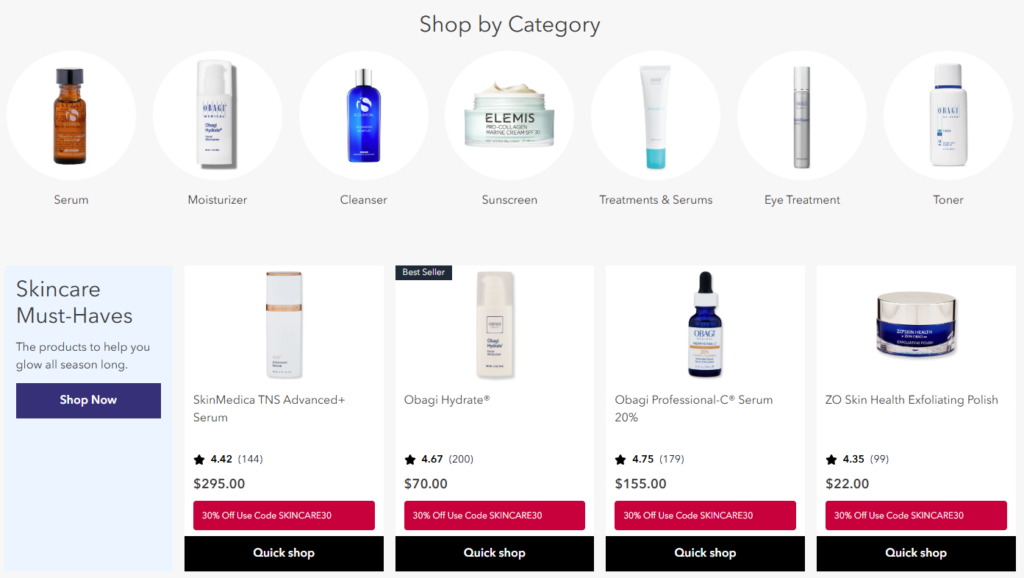
✅ Pros
- 💰 Competitive Prices & Discounts — Offers premium skincare products at competitive prices, with frequent promotions and deals.
- 🧴 Wide Product Selection — Carries cleansers, moisturizers, serums, sunscreens, eye treatments, and other skincare products.
- 🏆 Professional Skincare Brands — Features popular brands such as SkinMedica, Obagi, iS Clinical, PCA Skin, ALASTIN, and ZO Skin Health.
- ⭐ Positive Customer Feedback — Many customers praise the product quality, pricing, packaging, and overall shopping experience.
- 📦 Well-Packaged Orders — Customers frequently mention that their products arrive securely packaged.
- 🚚 Free U.S. Shipping — The store offers free shipping on qualifying U.S. orders.
- 🎁 Rewards Program — Customers can benefit from the store’s loyalty/rewards program.
- 💳 FSA/HSA Eligible Products — The store has a dedicated selection of qualifying FSA/HSA products.
❌ Cons
- ⏳ Shipping Can Sometimes Be Delayed — While many orders arrive quickly, some customers report shipping delays.
- 📦 Some Products May Go Out of Stock — Availability can occasionally change after an order is placed.
- 📞 Customer Service Concerns — Some customers report difficulty getting timely updates when an order is delayed.
- 💸 Refund Issues for Some Customers — A few reviews mention delays or difficulties with returns and refunds.
- ⚠️ Mixed Customer Experiences — Although overall feedback is positive, some negative reviews indicate that the shopping experience can vary.
Skincare Essentials: Frequently Asked Questions
What are the 3 basic skincare essentials?
The three foundational skincare essentials are cleanser, moisturizer and sunscreen. Additional products can be added depending on skin type and specific concerns.
What is the best basic skincare routine for beginners?
A simple beginner routine is gentle cleansing, moisturizing and daily broad-spectrum SPF. Once your skin is comfortable with those products, you can consider adding a targeted treatment.
What is a basic skincare routine for men?
A basic men’s skincare routine can be the same three-step foundation: cleanser, moisturizer and sunscreen. Shaving habits and individual skin concerns can determine whether additional products are useful.
What are the best skincare essentials for dry skin?
Dry skin generally benefits from gentle cleansing, regular moisturizing and daily sunscreen. Look for products that support hydration without excessive cleansing or irritation.
What are the best skincare essentials for oily skin?
Start with a gentle cleanser, lightweight moisturizer and sunscreen. Depending on your concerns, targeted ingredients can be introduced later.
Do I need expensive skincare products?
No. Dermatology guidance emphasizes that effective skincare does not need to be expensive. A small number of well-chosen products can form an effective routine.
Is a cleansing balm an essential skincare product?
Not necessarily. Cleansing balms can be useful for removing makeup or stubborn sunscreen, but they are optional rather than universally essential.
Are natural oils good for skin?
Some facial oils may complement a skincare routine, but natural ingredients can still cause irritation or allergic reactions. Introduce new oils carefully and choose products appropriate for your skin.
How many skincare products do I really need?
For a beginner, three core products—cleanser, moisturizer and sunscreen—are enough to establish a strong foundation. Treatments can be added later based on your goals.
What is the correct order for a skincare routine?
A common morning order is cleanser → optional treatment/serum → moisturizer → sunscreen. At night, sunscreen is omitted and treatment products may be used according to their instructions.
Final Thoughts: Your Best Skin Routine May Be the Simplest One
The modern skincare world makes it incredibly easy to believe that better skin is hidden inside the next bottle.
Sometimes it is.
But often, the bigger breakthrough is simply becoming consistent with the fundamentals.
Your skincare essentials aren’t necessarily the products with the most beautiful packaging, the longest ingredient list, or the highest price tag.
They’re the products you understand, tolerate and actually use.
Start with the basics.
Learn your skin.
Protect it from the sun.
Add targeted products only when you know why you’re adding them.
And remember: skincare isn’t a race toward having the biggest routine.
It’s a long-term habit of taking care of the skin you have.








[…] LEARN MORE […]
[…] EXPLORE MORE […]
[…] GET MORE DEALS […]
[…] EXPLORE MORE […]