Table Of Content
- Save More on Every Order – Grab the Latest Coupons & Deals
- What Is Skincare Pilling?
- 1. Using Too Much Product
- 2. Layering Products Too Quickly
- 3. Product Formulas May Not Work Well Together
- 4. Rubbing Too Hard During Application
- 5. Your Skin or Product Texture May Be Contributing
- How to Troubleshoot Pilling Without Replacing Everything
- Save More on Every Order – Grab the Latest Coupons & Deals
- Frequently Asked Questions
- Does skincare pilling mean my products are not absorbing?
- Should I stop using moisturizer if it pills?
- Why does my sunscreen pill over moisturizer?
- Can makeup cause skincare to pill?
- Is pilling the same as skin peeling?
- Related Resources
- Conclusion
You apply your serum, moisturizer, and sunscreen, expecting smooth skin, but instead, tiny flakes or little balls appear as you rub your face. This frustrating issue is known as skincare pilling. It can make your routine feel ineffective and leave makeup sitting unevenly, especially when you are getting ready in the morning.
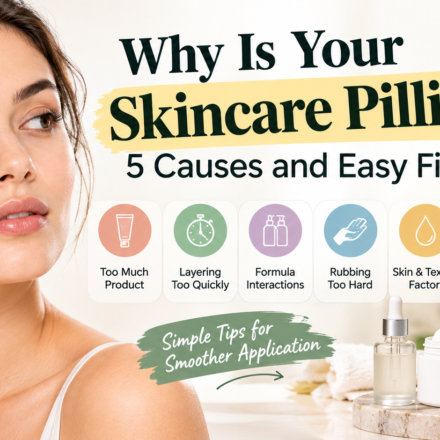
The good news is that skincare pilling does not automatically mean your products are poor quality or that your skin is damaged. It can happen because you use too much product, layer products before they settle, rub too vigorously, or combine formulas that do not work well together. Understanding why skincare is pilling helps you identify the likely cause without replacing your entire routine. Here are five common reasons and practical ways to help your skincare layers apply more smoothly.
Save More on Every Order – Grab the Latest Coupons & Deals:
What Is Skincare Pilling?
Skincare pilling occurs when products like moisturizer, sunscreen, or makeup roll into small crumbs on the skin. Unlike actual skin peeling, pilling is usually product residue, while flaking, itching, or pain may indicate dryness or irritation.
1. Using Too Much Product
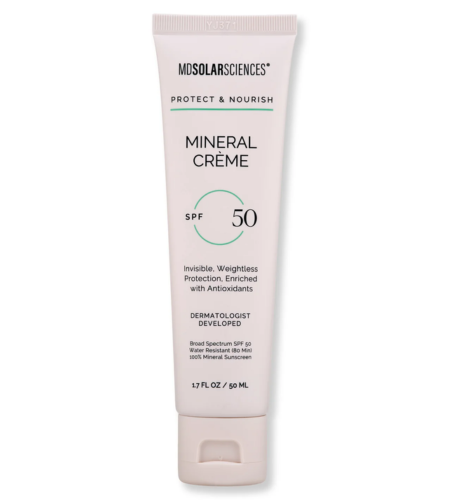
Applying more skincare does not necessarily produce better results. When you use a thick layer of serum, moisturizer, or primer, excess product can remain on the surface. Rubbing another product over it may cause the layers to gather into little rolls.
Easy fix: Start with a modest amount and follow the product’s directions. Spread it evenly rather than repeatedly adding more. However, do not reduce the recommended amount of sunscreen just to prevent pilling. Adequate sunscreen application is important for protection.
If pilling begins after one particular step, try adjusting the amount of that product first while keeping the rest of your routine consistent.
2. Layering Products Too Quickly
Some products need time to settle before you apply the next layer. Applying several products immediately one after another can move the previous layer around, particularly when it still feels wet or slippery.
Easy fix: Apply skincare products one at a time and let each layer settle before applying the next. Adjust the waiting time based on how your skin feels and how the products absorb.
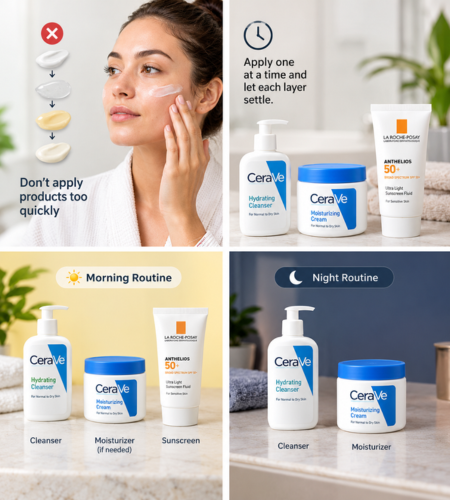
A simple morning routine could include cleanser, moisturizer if needed, and sunscreen. At night, a basic routine might include cleanser and moisturizer. A shorter routine can make it easier to identify which step is causing trouble.
3. Product Formulas May Not Work Well Together
Different skincare products contain different combinations of ingredients that affect their texture and how they form a film on the skin. Some combinations may not layer smoothly, even when each product works well on its own.
For example, a serum, a rich moisturizer, a silicone-based primer, and sunscreen may behave differently when combined than when used separately. This does not mean that water-based and silicone-based products can never be used together; the complete formula and application method matter.
Easy fix: Introduce products gradually and notice which combination causes pilling. Test your serum and moisturizer together, then add sunscreen or makeup as a separate step. If a particular combination repeatedly pills, try changing the order or replacing one product with a simpler alternative.
Avoid assuming that every product needs to be replaced. Isolating the troublesome combination can save both time and money.
4. Rubbing Too Hard During Application
Vigorous rubbing can disturb product layers and encourage them to roll up. Research examining skincare pilling found that application technique was a contributing factor, with rubbing motions associated with more pilling events in the study.
Easy fix: Use gentle, even movements. Spread the product over the skin without repeatedly rubbing the same area. For sunscreen, apply enough to cover exposed skin evenly and follow the product label. Gentle application should not mean using too little sunscreen.
If you notice pilling mainly when applying foundation or concealer, try allowing sunscreen to settle first and apply makeup with gentle pressing or tapping motions, if suitable for your products.
5. Your Skin or Product Texture May Be Contributing
Skin hydration, oiliness, texture, and product ingredients can affect pilling. Keep your routine simple, use products suited to your skin, and apply a suitable moisturizer if needed. Avoid excessive exfoliation, as pilling is not necessarily dead skin.
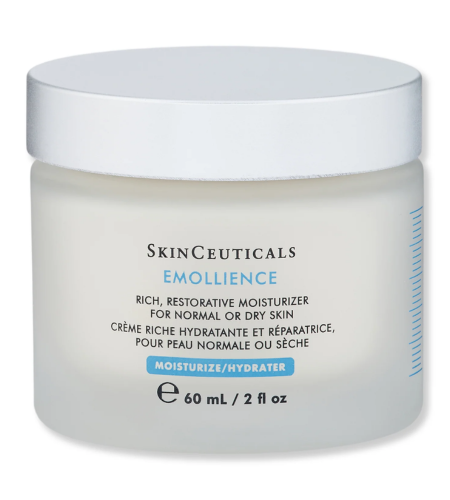
If you experience persistent flaking, burning, redness, or irritation, pause products that seem to worsen the symptoms and seek advice from a qualified healthcare professional when needed.
How to Troubleshoot Pilling Without Replacing Everything
Use a simple process to find the cause:
- Keep your routine consistent and identify the step when pilling first appears.
- Apply a moderate amount of each product, following label directions.
- Give layers time to settle before applying the next product.
- Use gentle movements instead of vigorous rubbing.
- Test product combinations separately to identify a troublesome pairing.
Change one variable at a time. If you change your cleanser, serum, moisturizer, sunscreen, and makeup all at once, it becomes difficult to determine what actually helped.
Skincare Essentials is the store name provided for this guide, but the supplied website, guardblinds.com, does not verify a skincare product range. Rather than assigning unverified products or benefits to the store, use these troubleshooting tips when evaluating products from any retailer. Review product descriptions and ingredient lists carefully before deciding whether a replacement is necessary.
Save More on Every Order – Grab the Latest Coupons & Deals:
Frequently Asked Questions
Does skincare pilling mean my products are not absorbing?
Not necessarily. Pilling means some product is rolling up on the surface, but its appearance alone cannot tell you how much of every ingredient has been absorbed or whether the product has worked.
Should I stop using moisturizer if it pills?
Not automatically. First, try adjusting the amount, application technique, and time between layers. If one combination continues to pill, test a different pairing.
Why does my sunscreen pill over moisturizer?
The sunscreen may interact poorly with the moisturizer, or the underlying layer may still be wet. Try allowing the moisturizer to settle and applying sunscreen gently. Do not compromise the recommended sunscreen amount.
Can makeup cause skincare to pill?
Yes. Primer or foundation can disturb skincare layers, especially if products are rubbed together. Let earlier layers settle and apply makeup gently.
Is pilling the same as skin peeling?
No. Pilling usually involves product forming little rolls or crumbs. Actual skin peeling involves flakes from the skin itself and may be accompanied by dryness or irritation.
Related Resources
For a simple approach to organizing your daily products, explore the topic “Skincare Essentials: Simple Skincare Routine Guide.” A routine with fewer, well-chosen steps can make it easier to identify product combinations that apply comfortably.
Conclusion
If you are wondering why your skincare is pilling, start by checking five possible causes: excess product, rushed layering, formula interactions, vigorous rubbing, and the way your skin and products respond to each other. Make small changes, observe the results, and avoid replacing every product at once.
A simple, consistent routine is often easier to troubleshoot than a complicated one. When exploring skincare options through Skincare Essentials, verify that the supplied store website offers relevant products before relying on it for purchases. The goal is to find a routine that feels comfortable and layers smoothly without compromising important steps such as sunscreen.