Table Of Content
- 🎉 Exclusive Deals & Massive Savings
- What Is Creatine and Why Does It Matter?
- Main Benefits of Creatine
- Different Types of Creatine
- Creatine Monohydrate
- Creatine Micronized
- Creatine Hydrochloride (HCL)
- Buffered Creatine
- How to Use Creatine Correctly
- Myprotein Creatine Products and Options
- What to Consider Before Choosing Creatine
- Pros and Cons of Creatine Supplementation
- 💎 Amazing Deals & Incredible Offers
- Frequently Asked Questions
- 1. Is creatine suitable for beginners?
- 2. Should creatine be taken every day?
- 3. Is creatine better before or after a workout?
- 4. Does creatine cause weight gain?
- 5. Which creatine type is best for beginners?
- Related Resources
- Conclusion
Creatine is one of the most researched sports nutrition supplements, commonly used by people who want to support strength training, exercise performance, and muscle development. However, beginners often have questions about how creatine works, which type to choose, how much to take, and whether daily supplementation is necessary.
Understanding the basics can make choosing a creatine supplement much easier. From creatine monohydrate to alternative formulations, each product may have different features and prices. This guide explains the main benefits, types, and practical usage considerations while exploring creatine options available from Myprotein.
🎉 Exclusive Deals & Massive Savings
What Is Creatine and Why Does It Matter?
Creatine is a naturally occurring compound found primarily in muscles. The body produces some creatine naturally, while foods such as meat and fish provide additional amounts.
Creatine helps replenish ATP, the body’s primary energy source, supporting repeated bursts of high-intensity activity.
Creatine supplementation is commonly considered by people involved in:
- Weightlifting and resistance training.
- Sprinting and explosive exercise.
- High-intensity interval training.
- Strength and power-focused workouts.
It works best alongside consistent training, balanced nutrition, and adequate recovery.
Main Benefits of Creatine
Creatine has several evidence-supported applications in sports nutrition.
1. Supports High-Intensity Exercise
Creatine supplementation can improve performance during repeated short bursts of high-intensity physical activity. This may be useful during demanding gym sessions involving heavy resistance or repeated efforts.
2. Supports Strength Training
When combined with resistance training, creatine may help improve training capacity. Over time, better training performance can contribute to improvements in strength and lean body mass.
3. Helps Support Muscle Development
Creatine is frequently included in muscle-building routines because it can support the ability to perform demanding training sessions. Muscle development still depends on progressive resistance training, adequate protein, and sufficient recovery.
4. Supports Exercise Training Consistency
Regular supplementation helps maintain elevated muscle creatine stores. This makes daily intake a practical consideration for people following structured exercise programs.
Different Types of Creatine
Understanding the available forms helps you choose a product that suits your preferences.
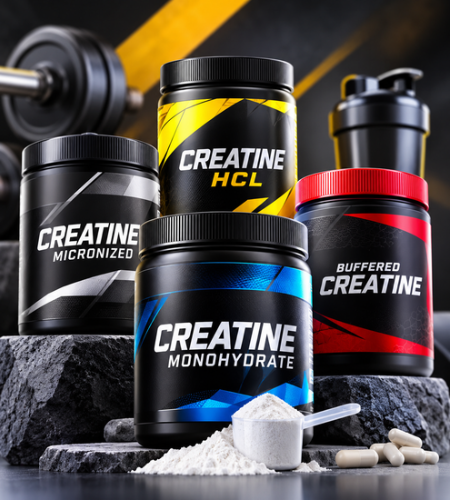
Creatine Monohydrate
Creatine monohydrate is the most extensively researched and commonly recommended form. It is widely available in powder and tablet formats and is generally a practical starting point for beginners.
Creatine Micronized
Micronized creatine monohydrate has smaller particles, which may help it mix more easily into liquids. It provides the same basic creatine compound rather than representing an entirely different form.
Creatine Hydrochloride (HCL)
Creatine HCL combines creatine with hydrochloride. It is marketed as an alternative formulation, but current evidence has not established superior performance benefits over creatine monohydrate.
Buffered Creatine
Buffered creatine is designed with a modified formulation intended to alter acidity. However, there is insufficient evidence that it consistently outperforms standard creatine monohydrate.
For most people, creatine monohydrate remains the sensible starting point because of its extensive research background and established use.
How to Use Creatine Correctly
Creatine is generally taken consistently rather than only on workout days. There are two commonly discussed approaches.
Daily maintenance approach: Taking approximately 3–5 grams of creatine monohydrate daily is a widely used approach. Muscle creatine stores increase gradually over several weeks.
Loading approach: Some protocols use approximately 20 grams daily for 5–7 days, divided into four smaller servings, followed by 3–5 grams daily. Loading can increase muscle creatine stores more quickly, but it is not essential.
For everyday use, consider these practical tips:
- Mix the recommended serving with water or another suitable drink.
- Take it at a convenient time that supports consistency.
- Follow the serving instructions on your product label.
- Maintain adequate hydration.
- Combine supplementation with a structured exercise routine.
People with kidney conditions, those taking relevant medications, pregnant women, and anyone with specific medical concerns should seek professional advice before using creatine.
Myprotein Creatine Products and Options
Myprotein is a sports nutrition brand offering supplements for different training and nutrition preferences. Its creatine category includes products designed for people who prefer straightforward daily supplementation.
Two relevant options include:
1. Creatine Monohydrate Powder
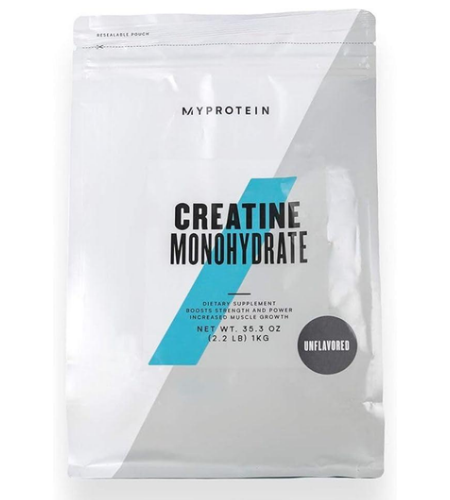
This is a straightforward option for people who prefer mixing creatine into water or another beverage. Myprotein offers unflavoured and flavoured variations, depending on availability.
The unflavoured formulation is listed as 100% creatine monohydrate. Product instructions and serving information should always be checked before use.
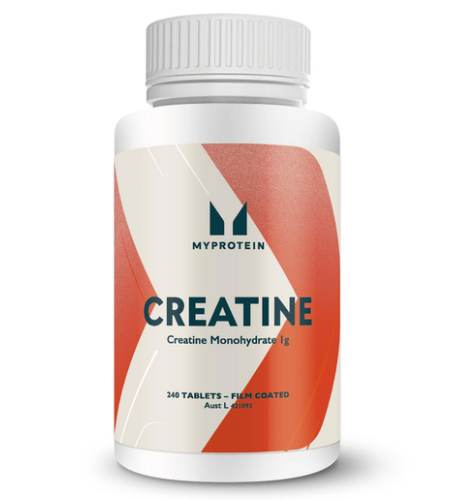
2. Creatine Monohydrate Tablets
Tablets provide an alternative for people who prefer not to measure and mix powder. They may be convenient for travel or busy routines, although the number of tablets needed depends on the product’s serving instructions.
Myprotein also lists selected supplement bundles that combine creatine with other sports nutrition products.
What to Consider Before Choosing Creatine
Not every supplement suits every training routine. Before selecting a product, consider:
- Ingredients: Check whether the product contains pure creatine monohydrate or additional ingredients.
- Serving size: Compare the actual creatine content per serving.
- Format: Choose between powder and tablets according to convenience.
- Flavour: Unflavoured options offer flexibility when mixing with other drinks.
- Price per serving: Compare container size and serving quantity rather than looking only at the total price.
- Availability: Check current stock and delivery options before ordering.
Myprotein’s Australian website displays different creatine products and prices. Prices, discounts, flavours, and availability can change, so check the current product listing before purchasing.
Pros and Cons of Creatine Supplementation
Pros
- Creatine monohydrate has substantial scientific research behind it.
- May support repeated high-intensity exercise performance.
- Available in powder and tablet formats.
- Daily supplementation is relatively straightforward.
- Does not require a complicated workout schedule.
Cons
- Initial water-weight changes may occur.
- Some people experience digestive discomfort.
- Consistency is important for maintaining elevated muscle stores.
- Results depend on training, nutrition, and individual circumstances.
- Different formulations can make product selection confusing.
💎 Amazing Deals & Incredible Offers
Frequently Asked Questions
1. Is creatine suitable for beginners?
Creatine monohydrate is commonly used by beginners and experienced athletes. However, beginners should first understand appropriate use, follow product instructions, and establish a consistent training and nutrition routine.
2. Should creatine be taken every day?
Daily supplementation is commonly recommended to maintain muscle creatine stores. Consistency matters more than taking it at a particular time.
3. Is creatine better before or after a workout?
There is no established requirement to take creatine at a specific time. Choose a convenient time that makes daily supplementation easier.
4. Does creatine cause weight gain?
Creatine can increase water stored within muscles, which may cause an initial increase in body weight. This is not necessarily an increase in body fat.
5. Which creatine type is best for beginners?
Creatine monohydrate is generally the most practical starting option because it is well researched, widely available, and straightforward to use.
Related Resources
For more information about sports nutrition products, explore our detailed Myprotein Impact Whey Protein review, which discusses product features, ingredients, and important purchasing considerations.
Conclusion
Creatine can be a useful addition to a structured fitness routine, particularly for people focusing on strength training and repeated high-intensity exercise. Understanding its benefits, different types, and daily usage makes selecting the right supplement easier.
For most beginners, creatine monohydrate is a sensible starting point. Myprotein offers powder and tablet options to accommodate different preferences. Explore its official product range, compare ingredients and serving sizes, and choose an option that fits your training routine and budget.