Table Of Content
- 🎉 Exclusive Deals & Massive Savings
- What Is Whey Protein?
- Main Types of Whey Protein
- 1. Whey Protein Concentrate
- 2. Whey Protein Isolate
- 3. Hydrolyzed Whey Protein
- Benefits of Whey Protein
- Supports Muscle Growth
- Helps Meet Daily Protein Needs
- Provides Essential Amino Acids
- Convenient for Post-Workout Nutrition
- How to Choose the Right Whey Protein
- Myprotein Whey Protein Options
- Impact Whey Protein
- Impact Whey Isolate
- Pricing and Things to Check Before Buying
- Pros and Cons of Whey Protein
- 💎 Amazing Deals & Incredible Offers
- Frequently Asked Questions
- 1. Is whey protein good for beginners?
- 2. Which is better: whey concentrate or isolate?
- 3. Can I take whey protein without exercising?
- 4. When should I drink whey protein?
- 5. Is whey protein suitable for everyone?
- Related Resources
- Conclusion
Whether you are starting your fitness journey, improving your workout routine, or simply trying to include more protein in your diet, understanding whey protein can help you make better nutritional choices. Whey protein is a popular milk-derived protein supplement used by athletes, gym enthusiasts, and people looking for convenient ways to increase their daily protein intake.
However, choosing the right protein powder is not always straightforward. Concentrate, isolate, and hydrolyzed whey each have different characteristics, nutritional profiles, and price points. Understanding these differences can help you select an option that matches your dietary preferences and fitness goals. Myprotein offers several whey protein options, including its popular Impact Whey Protein and Impact Whey Isolate.
🎉 Exclusive Deals & Massive Savings
What Is Whey Protein?
Whey protein is obtained from milk during the cheese-making process. When milk separates into solid curds and liquid whey, the liquid portion can be processed, filtered, and dried into protein powder.
Whey provides complete protein and essential amino acids, including leucine, which supports muscle protein synthesis and recovery.
People often use whey protein to:
- Supplement daily protein intake.
- Support muscle growth alongside resistance training.
- Help maintain muscle mass.
- Conveniently increase protein intake after exercise.
- Add protein to smoothies, oats, and other meals.
Whey powder is a supplement rather than a replacement for a balanced diet. Whole-food sources such as eggs, dairy, fish, poultry, beans, and lentils remain important parts of everyday nutrition.
Main Types of Whey Protein
Understanding the three main types makes comparing protein powders easier.
1. Whey Protein Concentrate
Whey protein concentrate is one of the most common and affordable forms of whey.
It generally contains around 70–80% protein by weight, although the exact amount varies by processing and product formulation. It also retains some lactose, carbohydrates, and fat.
Best suited for: People looking for an everyday protein supplement who do not need particularly low lactose or fat content.
Myprotein’s Impact Whey Protein is an example of a concentrate-based product.
2. Whey Protein Isolate
Whey protein isolate undergoes additional filtration to increase protein concentration and reduce other components.
It typically contains around 90% protein by weight, with lower levels of carbohydrates, fat, and lactose than concentrate.
Best suited for: People who prefer a higher protein concentration per serving or want to limit their intake of lactose, carbohydrates, and fat.
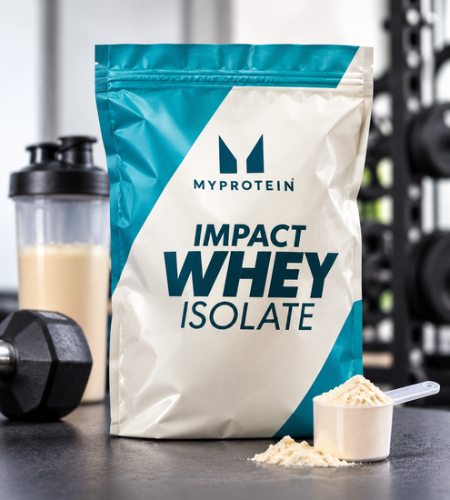
Myprotein’s Impact Whey Isolate is an option in this category.
Although isolate contains less lactose, it remains milk-derived and is not suitable for people with a milk protein allergy.
3. Hydrolyzed Whey Protein
Hydrolyzed whey is processed using enzymes to break some protein chains into smaller peptides.
It is sometimes marketed as easier to digest or faster to absorb. However, additional processing does not automatically make it more effective for everyone.
Best suited for: People specifically interested in hydrolyzed protein formulations who are comfortable with their additional cost.
For most everyday users, concentrate or isolate may provide a more practical balance of nutrition and affordability.
Benefits of Whey Protein
Supports Muscle Growth
Protein supplies amino acids that the body uses to build and maintain muscle tissue. When combined with appropriate resistance training, sufficient protein intake supports muscle development.
Helps Meet Daily Protein Needs
Getting enough protein through food can sometimes be challenging, especially with busy schedules. A protein shake offers a convenient way to supplement meals and snacks.
Provides Essential Amino Acids
Whey contains all nine essential amino acids. Its leucine content is particularly relevant because leucine participates in the process of stimulating muscle protein synthesis.
Convenient for Post-Workout Nutrition
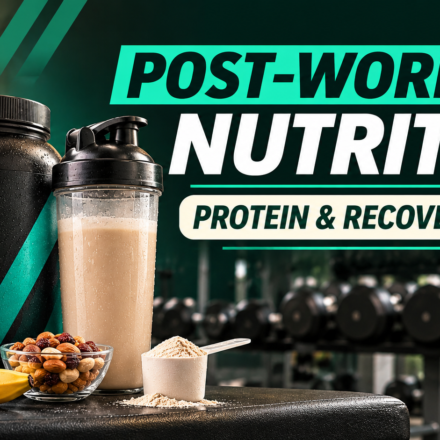
A whey protein shake can be an easy option after exercise when preparing a complete meal is inconvenient. However, total daily protein intake and overall nutrition matter more than following an exact post-workout time window.
How to Choose the Right Whey Protein
Before purchasing a protein powder, consider these practical factors:
- Protein per serving: Compare the actual protein amount rather than relying only on the product’s serving size.
- Ingredients: Review sweeteners, flavourings, allergens, and additional ingredients.
- Lactose content: Isolate generally contains less lactose than concentrate, but individual tolerance varies.
- Budget: Concentrate is often more affordable, while isolate and hydrolyzed products can cost more.
- Taste and mixing: Choose a flavour and texture that fit your preferences.
- Dietary requirements: Check milk and soy ingredients and any relevant allergen warnings.
You should also consider how much protein you already consume through regular meals. More powder does not automatically mean better results.
Myprotein Whey Protein Options
Myprotein is a sports nutrition brand offering protein powders, supplements, and fitness nutrition products.
Two relevant options in its Australian collection include:
Impact Whey Protein
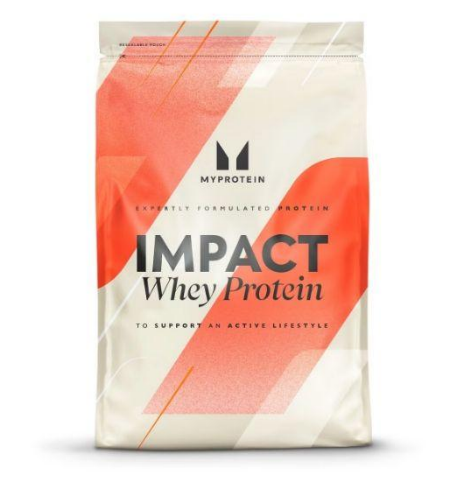
Impact Whey Protein is a concentrate-based powder. The Australian product listing reports approximately 22.2g of protein per 30g serving for its unflavoured version.
It may suit people looking for a straightforward everyday protein supplement with a range of flavour choices.
Impact Whey Isolate
Impact Whey Isolate is a filtered whey option designed to provide a higher protein concentration with less fat and carbohydrate.
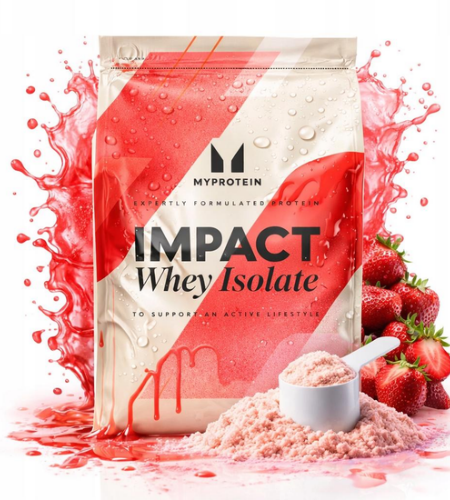
The Australian product listing reports approximately 25.2g of protein per 30g serving for the specified strawberry cream formulation. Nutritional values can vary by flavour.
Both products can be mixed with water or milk according to their product instructions.
Pricing and Things to Check Before Buying
Myprotein’s Australian store has listed Impact Whey Protein at approximately A$49.99 and Impact Whey Isolate at approximately A$67.99 for the displayed product selections.
Prices, pack sizes, flavours, discounts, and availability can change. Shipping eligibility and delivery charges also depend on the order and destination.
Before purchasing, compare the cost per serving, protein content, ingredient list, and total package size rather than choosing solely by the advertised price.
Pros and Cons of Whey Protein
Pros
- Convenient source of complete protein.
- Contains all essential amino acids.
- Available in different formulations.
- Easy to add to drinks and meals.
- Useful for supplementing daily protein intake.
Cons
- Milk-derived products are unsuitable for people with milk protein allergies.
- Concentrate may cause discomfort for some people sensitive to lactose.
- Flavoured varieties can contain sweeteners and additional ingredients.
- Regular purchases can become expensive.
- Supplements cannot replace a balanced diet and appropriate training.
💎 Amazing Deals & Incredible Offers
Frequently Asked Questions
1. Is whey protein good for beginners?
Yes. Beginners can use whey protein to supplement their daily protein intake if needed. A supplement is optional, not a requirement for starting fitness training.
2. Which is better: whey concentrate or isolate?
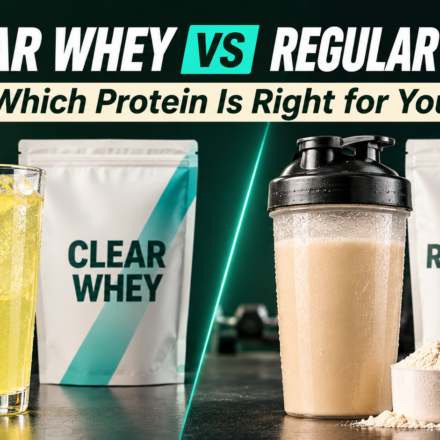
Neither is universally better. Concentrate is generally more affordable, while isolate typically provides more protein per gram and less lactose and fat.
3. Can I take whey protein without exercising?
You can consume whey as a dietary protein source, but its usefulness depends on your overall nutritional needs. It does not independently produce muscle growth.
4. When should I drink whey protein?
You can consume it at a convenient time during the day. After exercise is one common option, but total daily protein intake is more important than precise timing.
5. Is whey protein suitable for everyone?
No. People with milk protein allergies should avoid whey. Those with medical conditions, dietary restrictions, or concerns about protein intake should seek qualified professional advice.
Related Resources
Explore the Myprotein Impact Whey Protein Review 2026: The Ultimate Guide to a Sports Nutrition Brand for additional information about product features, nutritional details, and buying considerations.
Conclusion
Whey protein can be a convenient addition to a balanced nutrition routine, particularly when regular meals do not provide enough protein. Understanding the differences between concentrate, isolate, and hydrolyzed whey makes it easier to compare products and select an appropriate option.
Myprotein offers choices such as Impact Whey Protein and Impact Whey Isolate for different nutritional preferences and budgets. Take time to compare ingredients, protein content, serving sizes, and current prices before choosing. The best whey protein is the one that fits your nutritional needs, preferences, and everyday routine.