Table Of Content
- 🎉 Exclusive Deals & Special Savings
- What Is the Difference Between Healthspan and Lifespan?
- The 4 Pillars of Healthy Aging
- 1. Daily Movement
- 2. Balanced Nutrition
- 3. Quality Sleep
- 4. Social Connection
- How AgelessRx Fits Into a Healthy Aging Plan
- Building a Sustainable Healthy Aging Routine
- 🎉 Exclusive Deals & Special Savings
- Frequently Asked Questions
- 1. Is healthspan more important than lifespan?
- 2. Can you improve your healthspan naturally?
- 3. What are the four pillars of healthy aging?
- 4. What role does AgelessRx play in longevity care?
- 5. Can longevity treatments guarantee a longer life?
- Conclusion
Living longer is a common goal, but many people also want to stay active, independent, and mentally engaged as they grow older. This is where the difference between healthspan and lifespan becomes important. Lifespan refers to the total number of years a person lives, while healthspan describes the period spent in relatively good health and with functional independence.
Understanding healthspan vs lifespan can help you make more informed decisions about your daily routine. Instead of focusing only on age or the number of years ahead, you can also consider how you care for your body, support your mental wellbeing, and maintain meaningful relationships.
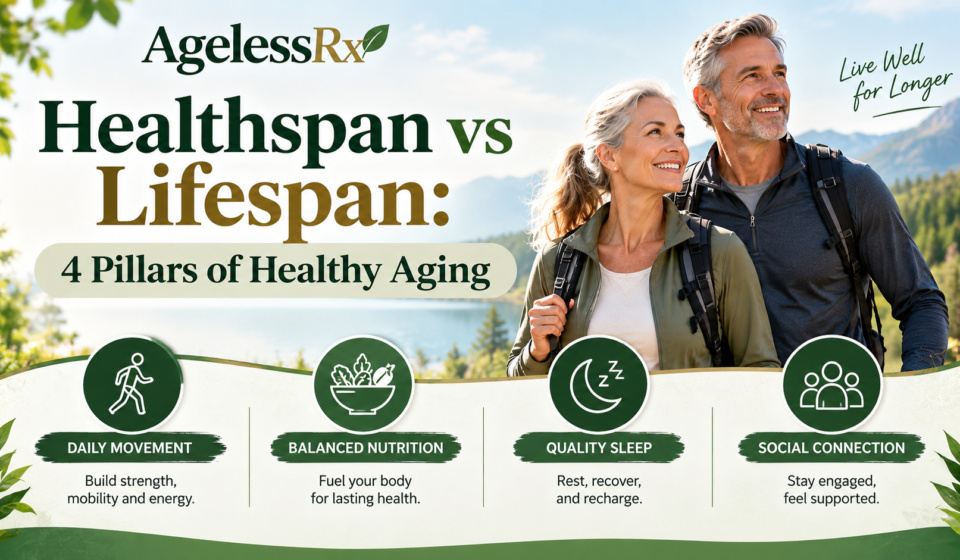
Four practical pillars provide a useful starting point: daily movement, balanced nutrition, quality sleep, and social connection. These habits can support healthy aging, while longevity-focused services such as those offered by AgelessRx provide another avenue to explore clinician-guided care.
🎉 Exclusive Deals & Special Savings
What Is the Difference Between Healthspan and Lifespan?
Lifespan measures how long you live. Healthspan focuses on the years you spend feeling well enough to participate in everyday activities, maintain relationships, and preserve as much physical and mental function as possible.
Two people may live to the same age but experience different health outcomes. One may stay active and independent, while the other may face prolonged illness or limitations.
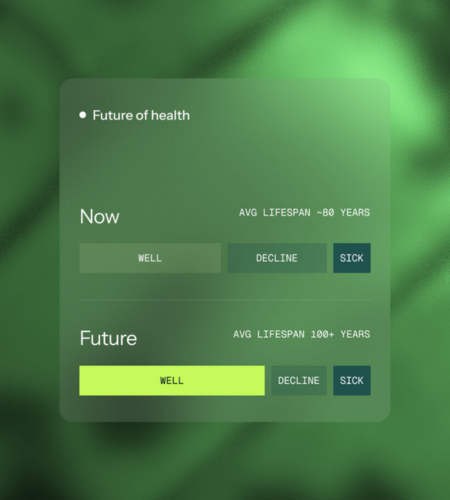
Healthspan is not defined identically in every scientific study, and it does not mean being completely free of health conditions. People can live meaningful, active lives while managing chronic conditions. The broader goal is to support wellbeing, function, and quality of life throughout aging.
Neither healthspan nor lifespan is entirely within your control. Genetics, environment, access to healthcare, and life circumstances all play a role. However, everyday habits and appropriate medical care can help you make informed choices about your long-term health.
The 4 Pillars of Healthy Aging
1. Daily Movement
Regular physical activity helps maintain strength, mobility, balance, and cardiovascular fitness. It can also support mood and everyday independence.
You do not need to begin with an intense workout program. Walking, cycling, swimming, gardening, and other activities you enjoy can help you build a consistent routine. Strength-building and balance exercises may also be useful, depending on your abilities and health needs.

To make movement sustainable:
- Choose activities that suit your current fitness level.
- Break up long periods of sitting.
- Increase activity gradually rather than doing too much at once.
- Include strength and balance exercises when appropriate.
Consistency matters more than choosing a complicated routine. If you have an existing medical condition or have been inactive for a long time, ask a healthcare professional which activities are suitable for you.
2. Balanced Nutrition
Nutrition is another important part of healthy aging. Your body needs a range of nutrients to maintain muscle, support normal body functions, and meet changing nutritional needs over time.
A balanced eating pattern can include vegetables, fruits, whole grains, protein-rich foods, and sources of healthy fats. Fish, beans, lentils, eggs, nuts, and other nutrient-rich foods can contribute to varied meals.
Rather than relying on one superfood or restrictive diet, focus on habits you can maintain. Drink enough fluids, eat a variety of foods, and pay attention to whether your meals provide adequate energy and protein.
Nutritional needs differ according to age, activity, medications, and health conditions. Supplements are not automatically necessary for everyone, and some may interact with medicines. Discuss individual concerns with a qualified healthcare professional.
3. Quality Sleep
Sleep supports physical recovery, memory, attention, and emotional wellbeing. Regularly getting insufficient or disrupted sleep can make it harder to maintain healthy routines and feel your best during the day.
Helpful sleep habits include maintaining a consistent bedtime, creating a comfortable and quiet sleeping environment, limiting late-day caffeine when it affects your rest, and developing a relaxing evening routine.
Notice patterns rather than judging sleep by a single night. If you regularly experience difficulty sleeping, loud snoring, or persistent daytime tiredness, consider discussing these symptoms with a healthcare professional. An underlying sleep problem may require assessment rather than lifestyle adjustments alone.
4. Social Connection
Healthy aging involves more than physical fitness and nutrition. Meaningful relationships, community participation, and emotional wellbeing are also important parts of quality of life.
Social connection can come from family conversations, friendships, community groups, volunteering, shared hobbies, or regular activities with other people. Even small, consistent interactions may help you feel connected to your community.
Try scheduling time with people you care about, joining an activity that interests you, or checking in with someone regularly. If loneliness or low mood persists, seeking professional support can be an important step.
There is no single social routine that works for everyone. The aim is to build connections that feel supportive and fit your circumstances.
How AgelessRx Fits Into a Healthy Aging Plan
Lifestyle habits are a foundation for healthy aging, but some people also want guidance on specific health concerns, selected health markers, or longevity-related treatments.
AgelessRx is a longevity-focused telehealth platform offering online health assessments and treatment options. Users may complete a medical intake and receive an evaluation from a licensed clinician, depending on the service.

These services may be relevant to people who want to explore personalized healthcare as part of a broader wellness plan. However, a longevity treatment is not a substitute for balanced nutrition, physical activity, adequate sleep, social wellbeing, or routine medical care.
Before considering a prescription or other intervention, review the available evidence, potential side effects, costs, and eligibility requirements with a qualified clinician. Not every longevity treatment has been proven to extend human lifespan or improve healthspan.
You can explore the services available through AgelessRx and determine whether a consultation may be appropriate for your needs.
Building a Sustainable Healthy Aging Routine
The four pillars work best when they become part of everyday life rather than a temporary challenge. Start with one realistic change, such as taking a regular walk, adding a nutritious food to your meals, keeping a consistent bedtime, or arranging time with a friend.
Review your progress periodically and adjust your routine as your needs change. Routine checkups, recommended screenings, and discussions about new symptoms can also help you make informed healthcare decisions.
There is no perfect routine that prevents every age-related condition. The goal is to create sustainable habits that support your individual wellbeing over time.
🎉 Exclusive Deals & Special Savings
Frequently Asked Questions
1. Is healthspan more important than lifespan?
Both matter. Lifespan measures the length of life, while healthspan focuses on the time spent in relatively good health. Many people want to support both, with an emphasis on maintaining function and quality of life.
2. Can you improve your healthspan naturally?
Healthy habits, including regular physical activity, balanced nutrition, quality sleep, and social engagement, can support wellbeing as you age. Results vary, and no lifestyle routine can eliminate every health risk.
3. What are the four pillars of healthy aging?
The four pillars discussed in this guide are daily movement, balanced nutrition, quality sleep, and social connection. Together, they address important aspects of physical, mental, and social wellbeing.
4. What role does AgelessRx play in longevity care?
AgelessRx offers longevity-focused telehealth services, including clinician-reviewed treatment options and selected health assessments. Eligibility and suitability depend on the specific service and an individual’s medical circumstances.
5. Can longevity treatments guarantee a longer life?
No. Longevity treatments cannot guarantee a longer lifespan or improved healthspan. Evidence varies between interventions, so discuss potential benefits, risks, and alternatives with a qualified healthcare professional.
Conclusion
Understanding healthspan vs lifespan shifts the focus from simply counting years to considering how you experience them. Daily movement, balanced nutrition, quality sleep, and social connection provide four practical foundations for supporting healthy aging.
Start with manageable habits, maintain regular contact with healthcare professionals, and be cautious about claims promising dramatic results. If you want to explore personalized longevity care, AgelessRx offers services worth reviewing with your individual needs and medical guidance in mind.