Table Of Content
- 🎉 Exclusive Deals & Special Savings
- What Is NAD+?
- What Does NAD+ Do in Your Body?
- 1. Supports Cellular Energy Production
- 2. Helps Maintain Normal Cellular Functions
- 3. Participates in DNA Repair Processes
- 4. Is Relevant to Aging Research
- Why Do NAD+ Levels Matter?
- NAD+ Treatments and AgelessRx
- What Does the Research Actually Show?
- 🎉 Exclusive Deals & Special Savings
- Frequently Asked Questions
- 1. What is the main function of NAD+?
- 2. Does NAD+ naturally decrease with age?
- 3. Can NAD+ supplements reverse aging?
- 4. What is the difference between NAD+ and NADH?
- 5. Should everyone consider NAD+ treatments?
- Conclusion
Your body depends on countless chemical reactions to produce energy, maintain healthy cells, and support everyday biological functions. One important molecule involved in these processes is NAD+, short for nicotinamide adenine dinucleotide. Understanding what NAD+ does in your body can help explain why it has become a major subject in cellular health and longevity research.
NAD+ is present in living cells and plays an essential role in energy metabolism. It also helps support processes involved in DNA repair and cellular communication. Researchers are investigating how NAD+ levels change with age and whether strategies that influence these levels could support healthy aging. However, scientific interest does not mean every advertised benefit has been established in humans.
Learning the basics first makes it easier to evaluate emerging research and understand the NAD+ wellness options offered by providers such as AgelessRx.
🎉 Exclusive Deals & Special Savings
What Is NAD+?
NAD+ is a coenzyme, meaning it helps enzymes perform essential chemical reactions. Your body uses it in many metabolic pathways that convert nutrients from food into usable energy.
NAD+ works alongside its reduced form, NADH. Together, they help transfer electrons during reactions involved in cellular energy production. This process is especially important for mitochondria, the structures that generate much of the energy cells need.
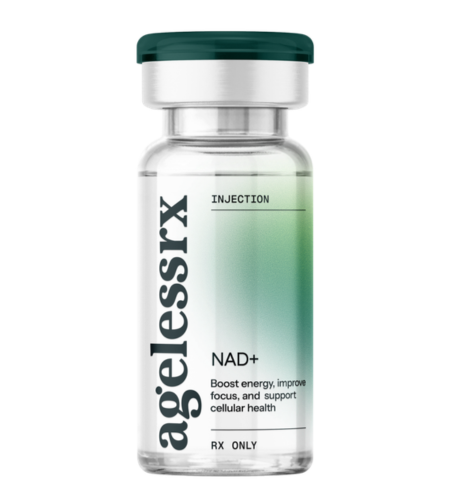
Without NAD+, numerous essential reactions would not function normally. Its role extends beyond energy production, making it an important molecule for understanding metabolism, cellular maintenance, and aging biology.
What Does NAD+ Do in Your Body?
1. Supports Cellular Energy Production
One of NAD+’s best-established roles is helping cells process nutrients. During metabolism, NAD+ accepts electrons and becomes NADH. NADH can then contribute to reactions that help mitochondria produce adenosine triphosphate, or ATP.
ATP supplies energy for activities such as muscle contraction, transporting substances across cell membranes, and maintaining normal cellular functions.
This does not mean that increasing NAD+ automatically makes someone feel more energetic. Energy levels depend on many factors, including sleep, nutrition, physical activity, and underlying health conditions.
2. Helps Maintain Normal Cellular Functions
NAD+ also serves as a resource for enzymes involved in important cellular processes. Certain enzymes use it to regulate biological signals, respond to stress, and maintain normal cell activity.
For example, sirtuins are a family of proteins involved in regulating cellular processes related to metabolism and stress responses. Their activity depends on NAD+ availability.
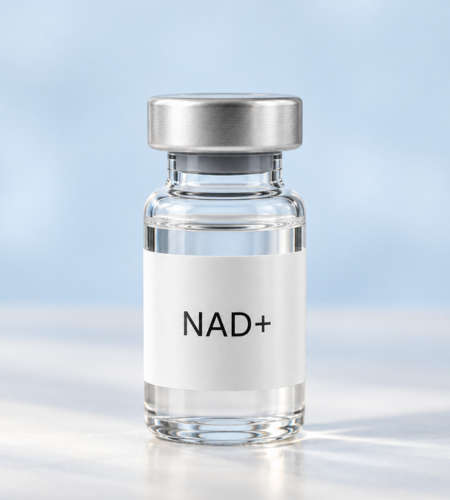
These connections help explain why scientists study NAD+ in relation to cellular health. However, the effects of changing NAD+ levels can vary depending on the tissue, biological pathway, and individual circumstances.
3. Participates in DNA Repair Processes
Cells regularly experience DNA damage from normal biological activity and environmental exposures. The body has repair systems that help identify and respond to this damage.
Some enzymes involved in DNA repair, including poly(ADP-ribose) polymerases, require NAD+ to function. NAD+ therefore contributes to the cellular machinery involved in maintaining genetic integrity.
This role is scientifically important, but it should not be interpreted as proof that NAD+ treatments prevent cancer, reverse aging, or repair all DNA damage in humans.
4. Is Relevant to Aging Research
Studies have reported changes in NAD+ metabolism during aging, including declines in NAD+ availability in various tissues and organisms. Researchers are investigating how these changes relate to metabolism, cellular stress, and other biological processes associated with aging.
Much of the encouraging evidence comes from laboratory and animal studies. Human research has also advanced, but findings about meaningful health outcomes remain mixed.
An important distinction is that increasing a biological marker does not necessarily improve lifespan, prevent disease, or make a person feel better. Those outcomes require separate, well-designed clinical studies.
Why Do NAD+ Levels Matter?
NAD+ levels are influenced by the balance between production, consumption, and recycling within the body. Cells make NAD+ through several pathways, using nutrients and related compounds as building blocks.
Age-related changes in these pathways have become an important area of research. Scientists are exploring whether supporting NAD+ metabolism could help maintain normal cellular function as people grow older.
Nevertheless, there is no single NAD+ level that guarantees good health or indicates how quickly someone is aging. NAD+ biology is complex, and measurements can differ between tissues and testing methods.
Everyday health habits remain important. Balanced nutrition, regular physical activity, adequate sleep, and appropriate medical care support overall health, although they should not be presented as guaranteed ways to raise NAD+ levels.
NAD+ Treatments and AgelessRx
For readers interested in the connection between cellular health and longevity, AgelessRx offers clinician-guided wellness and longevity services, including NAD+-related treatment options.
Its NAD+ offerings have included injections, nasal sprays, patches, and topical face cream. These products differ in their delivery methods, intended uses, costs, and suitability. Availability and eligibility may also vary.
Before considering a treatment, understand the distinction between the molecule’s established biological role and the benefits a particular product claims to provide.
Useful questions to consider include:
- What is the treatment intended to support?
- What evidence exists for that specific formulation and delivery method?
- What are the possible side effects and other safety considerations?
- Is an online medical evaluation required?
- What is the ongoing cost, and what follow-up care is available?
AgelessRx provides information about its treatment options and clinician-guided services. However, a product being available through a healthcare provider does not mean every proposed longevity benefit has been proven.
Prescription products should be considered only after an appropriate evaluation by a qualified medical professional. Compounded medications are not FDA-approved for safety, effectiveness, or quality before marketing.
What Does the Research Actually Show?
Research highlights NAD+’s role in cellular metabolism and maintenance. Human studies suggest NAD+ precursors, such as nicotinamide riboside and NMN, can increase certain NAD-related biomarkers.
However, evidence that changing these biomarkers consistently improves energy, physical performance, metabolic health, or other meaningful outcomes is less conclusive.
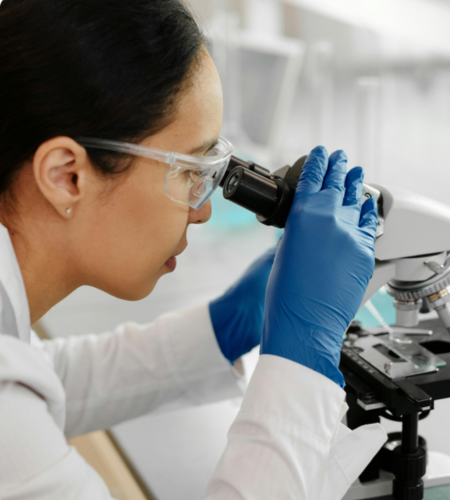
It is also important to distinguish between NAD+ itself and compounds intended to help the body produce more NAD+. Findings from one approach cannot automatically be applied to another.
For anyone exploring NAD+ and longevity, the most useful approach is to look for human clinical evidence, transparent safety information, and realistic explanations of potential benefits and limitations.
🎉 Exclusive Deals & Special Savings
Frequently Asked Questions
1. What is the main function of NAD+?
NAD+ helps transfer electrons during energy metabolism and supports enzymes involved in processes such as DNA repair and cellular signaling.
2. Does NAD+ naturally decrease with age?
Research suggests NAD+ availability declines with age in various tissues, although the extent and patterns of change differ between individuals and biological systems.
3. Can NAD+ supplements reverse aging?
There is currently insufficient evidence to conclude that NAD+ supplements or treatments reverse human aging or extend lifespan. Research is ongoing.
4. What is the difference between NAD+ and NADH?
NAD+ is the oxidized form, while NADH is its reduced form. They work together to transfer electrons during important metabolic reactions.
5. Should everyone consider NAD+ treatments?
No. Suitability depends on individual health needs, the specific treatment, potential risks, and available evidence. Consult a qualified healthcare professional before considering prescription treatments.
Conclusion
Understanding what NAD+ does in your body reveals why this coenzyme is important for cellular energy, metabolism, DNA repair, and normal cell functions. Its connection to aging has created exciting research opportunities, but many proposed longevity benefits still require stronger evidence from human clinical trials.
AgelessRx offers NAD+-related options for people exploring clinician-guided wellness and longevity care. Before choosing a treatment, compare its intended purpose, safety information, cost, and supporting research. A science-informed approach means appreciating what researchers have established while remaining cautious about claims that go beyond current evidence.