Table Of Content
- 🎉 Exclusive Deals & Massive Savings
- Latex vs Memory Foam: What Is the Difference?
- Comfort and Feel
- Latex: Responsive and buoyant
- Memory foam: Contouring and cushioning
- Support and Sleeping Positions
- Latex vs Memory Foam: Temperature and Durability
- How PlushBeds Fits the Topic
- What to Consider Before Choosing
- 🛏️ Exclusive Mattress Deals & Savings
- Frequently Asked Questions
- Is latex better than memory foam for side sleepers?
- Does memory foam feel softer than latex?
- Is a latex mattress always made from natural materials?
- Which mattress is better for combination sleepers?
- Can I compare both mattress types at PlushBeds?
- Conclusion
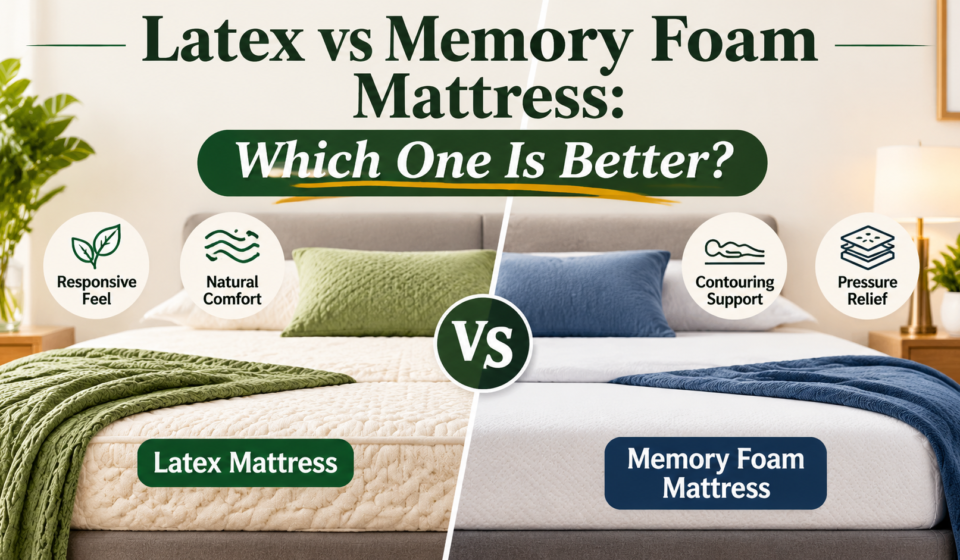
Choosing between a latex and memory foam mattress can feel confusing when both are designed to provide comfortable support. The main difference is how each material responds to your body. Latex generally feels more buoyant and responsive, while memory foam tends to contour closely around your shape.
The right choice depends on your preferred sleeping position, comfort needs, and how much you enjoy sinking into a mattress. Some people prefer a surface that makes movement easier, while others like a more cushioning, body-hugging feel.
Understanding these differences can make mattress shopping simpler. PlushBeds offers latex mattress options for shoppers interested in natural materials and responsive comfort. Comparing the two mattress types can help you decide what to look for before exploring the available choices.
🎉 Exclusive Deals & Massive Savings
Latex vs Memory Foam: What Is the Difference?
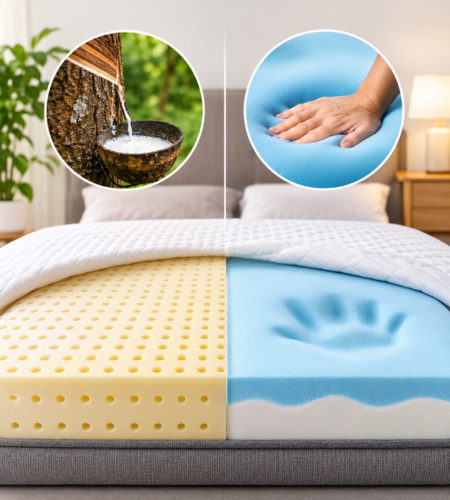
Latex foam is made from natural rubber, synthetic rubber, or a blend, depending on the product. Natural latex is derived from rubber tree sap and is often chosen by shoppers seeking a mattress made with natural materials.
Memory foam is a viscoelastic polyurethane foam designed to respond to pressure and body heat. It gradually conforms to the sleeper’s shape, creating a close-fitting sensation.
Both materials can be used in different mattress constructions, and the feel of a finished mattress depends on more than its foam type. Layer design, firmness, thickness, and the support core can all affect comfort.
Comfort and Feel
Latex: Responsive and buoyant
Latex mattresses usually have a springier feel. Instead of sinking deeply into the surface, sleepers may feel more lifted and supported. This responsiveness can be useful for people who change positions during the night or prefer a mattress that feels easier to move across.
Latex can also be available in different firmness levels, so it is worth checking the specific mattress rather than assuming every latex model feels the same.
Memory foam: Contouring and cushioning
Memory foam is known for adapting closely to the body. This can create a cradling sensation around areas such as the shoulders and hips.
Some sleepers appreciate that close contouring, especially when they prefer a cushioned surface. Others may find the slower response less comfortable when turning or changing positions. Different memory foam formulations can feel noticeably different, so product construction matters.
Support and Sleeping Positions
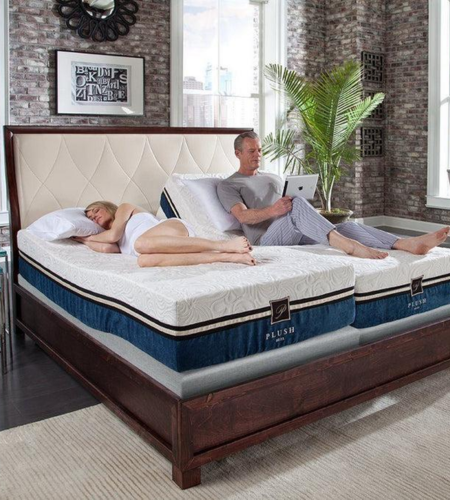
Neither material is automatically better for every sleeping position. The most suitable option depends on firmness, body shape, and how well the mattress keeps the spine in a comfortable alignment.
- Side sleepers: A mattress with enough cushioning around the shoulders and hips may feel more comfortable. Both latex and memory foam can offer pressure-relieving designs.
- Back sleepers: A balanced feel that supports the lower back without excessive sinking may be appealing. Firmness and construction are important.
- Stomach sleepers: Some people prefer a firmer surface that limits excessive sinking around the midsection. Compare firmness carefully.
- Combination sleepers: Latex’s responsive feel may make repositioning easier, while memory foam’s contouring may appeal to those who like a closer fit.
A mattress that feels supportive in a showroom may feel different after a full night, so consider trial terms when comparing options.
Latex vs Memory Foam: Temperature and Durability
Temperature comfort depends on the materials, mattress design, bedding, and sleeping environment. Latex is often chosen for its more open, responsive feel, while memory foam may retain more body heat depending on its formulation and construction.
If you tend to sleep warm, look at the complete mattress design rather than relying on the material name alone. Covers, ventilation, foam density, and additional comfort layers can all influence how a mattress feels overnight.
Durability also varies by product quality and care. Latex is generally resilient and can be a long-lasting material, but no mattress is immune to wear. Memory foam can also provide years of use when properly constructed and maintained.
Check the manufacturer’s warranty and care instructions before making a decision.
How PlushBeds Fits the Topic
PlushBeds offers several latex mattress options, including the Botanical Bliss and Natural Bliss collections. Its range also includes hybrid mattresses that combine latex comfort layers with a coil support system.
The Botanical Bliss collection features GOLS-certified organic latex, while the brand’s product range includes different mattress constructions and comfort profiles. These options may appeal to shoppers who want to compare latex materials and firmness choices.
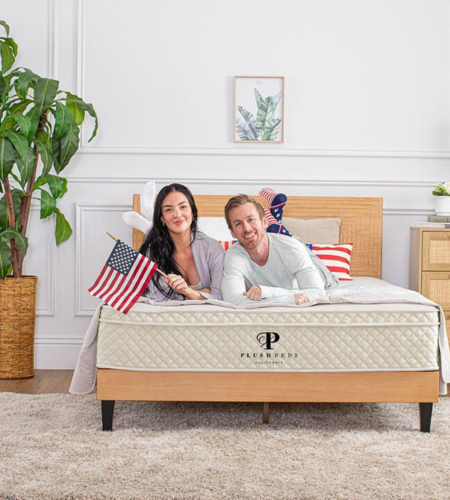
PlushBeds also offers memory foam products, including its Cool Bliss mattress and memory foam toppers. This gives shoppers a way to explore different materials within the same store.
Product details and materials can vary by model, so review the specifications of the mattress you are considering rather than assuming every model has the same construction.
What to Consider Before Choosing
Before selecting a mattress, think about the features that matter most in your bedroom.
- Feel: Decide whether you prefer a buoyant surface or close body contouring.
- Firmness: Consider your sleeping position and whether you prefer a softer or firmer feel.
- Materials: Check whether the mattress uses natural latex, synthetic latex, memory foam, or a combination.
- Temperature: Review the cover and comfort-layer construction if you often sleep warm.
- Movement: Consider how easily you want to change positions during the night.
- Budget: Compare the full mattress price, size, and any additional costs before deciding.
🛏️ Exclusive Mattress Deals & Savings
Frequently Asked Questions
Is latex better than memory foam for side sleepers?
Either material may work well for side sleepers. The important factors are pressure relief, firmness, and whether the mattress provides comfortable support around the shoulders and hips.
Does memory foam feel softer than latex?
Memory foam often feels more contouring, while latex tends to feel more buoyant. However, firmness levels and mattress construction can change how either material feels.
Is a latex mattress always made from natural materials?
No. Latex may be natural, synthetic, or a blend. Check the product’s material information if natural latex is important to you.
Which mattress is better for combination sleepers?
A responsive latex mattress may appeal to people who change positions frequently. Some memory foam mattresses may also work well, depending on how quickly the foam responds and how deeply the sleeper sinks.
Can I compare both mattress types at PlushBeds?
Yes. PlushBeds offers latex and memory foam mattress options, allowing shoppers to review different materials and constructions. Check the individual product details for current specifications.
Conclusion
The choice between a latex vs memory foam mattress comes down to personal comfort. Latex may suit sleepers who prefer a responsive, buoyant feel, while memory foam may appeal to those who enjoy closer contouring and cushioning.
Consider your sleeping position, preferred firmness, material preferences, and temperature comfort before choosing. PlushBeds offers options in both categories, making it useful to compare the materials and construction of individual models.
A mattress should feel comfortable and supportive to you, not simply match a popular recommendation. Explore the official PlushBeds store to review its available mattress options and decide which style best fits your sleep preferences.