Table Of Content
- Save More on Every Order – Grab the Latest Coupons & Deals
- Why the Difference Between a Mattress Topper and a New Mattress Matters
- 1. Check Your Current Mattress Condition
- 2. Decide What Kind of Comfort Adjustment You Need
- 3. Understand the Support Difference
- 4. Compare Your Budget and Long-Term Needs
- How PlushBeds Fits Your Mattress Upgrade
- Pros and Cons of Each Option
- Save More on Every Order – Grab the Latest Coupons & Deals
- Frequently Asked Questions
- Is a mattress topper worth it for an old mattress?
- Can a mattress topper fix a sagging mattress?
- Should I buy a 2-inch or 3-inch mattress topper?
- How do I know when to replace my mattress?
- Is a latex mattress topper a good option?
- Conclusion
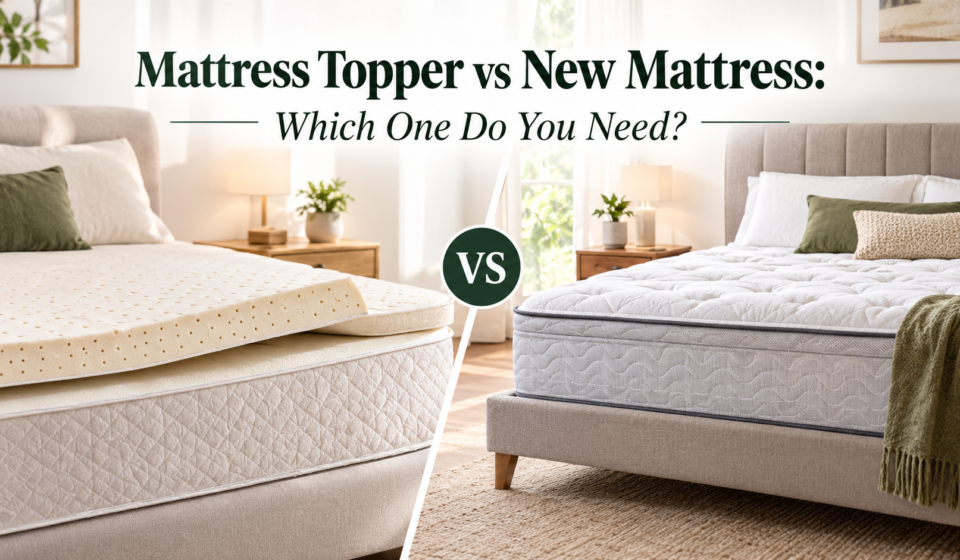
When your bed no longer feels comfortable, replacing the entire mattress may seem like the obvious solution. However, that is not always necessary. Understanding the difference between a mattress topper vs a new mattress can help you choose a practical upgrade without spending more than you need to.
Plush beds mattress topper adds another layer of cushioning to your existing bed, while a new mattress replaces the complete sleep surface. The right choice depends on your mattress’s condition, the type of discomfort you experience, your support needs, and your budget. If your mattress is still structurally sound but feels too firm, a topper may be worth considering. If it has noticeable sagging or damaged support, replacement is usually the more sensible option.
Save More on Every Order – Grab the Latest Coupons & Deals
Why the Difference Between a Mattress Topper and a New Mattress Matters
Both options can change how your bed feels, but they serve different purposes. Choosing the right one starts with understanding what is causing your discomfort.
A mattress topper is an additional layer placed on top of your existing mattress. It can adjust the surface’s softness or firmness and add cushioning without requiring a complete replacement. A new mattress, by comparison, provides a fresh sleep surface with its own comfort layers and support system.

The important distinction is that a topper changes the feel of a mattress, but it cannot reliably repair a worn-out support core. Identifying the actual problem can help you avoid investing in an upgrade that does not address your needs.
1. Check Your Current Mattress Condition
Before choosing between a topper and a new mattress, inspect your existing bed.
If the mattress remains level, has no significant structural damage, and still provides adequate support, a topper may be enough to improve its comfort. For example, someone who finds a firm mattress uncomfortable might prefer an additional layer that creates a softer surface.
However, visible sagging, deep body impressions, damaged springs, or uneven support suggest a more serious problem. Adding another layer will not restore a failing mattress core.
Consider these signs:
- A topper may suit you: Your mattress is level and supportive, but its surface feels too firm or lacks cushioning.
- A new mattress may be necessary: Your mattress sags noticeably, has structural damage, or no longer supports you comfortably.
Age is another consideration. Mattress lifespan varies by construction, materials, use, and care, so age alone should not determine whether you replace yours.
2. Decide What Kind of Comfort Adjustment You Need
Your preferred sleeping surface can change over time. You may want a softer feel, more cushioning around your shoulders and hips, or a different balance between comfort and firmness.
A mattress topper offers a relatively simple way to modify the surface without replacing the underlying bed. The amount of change depends on its material, thickness, and firmness.
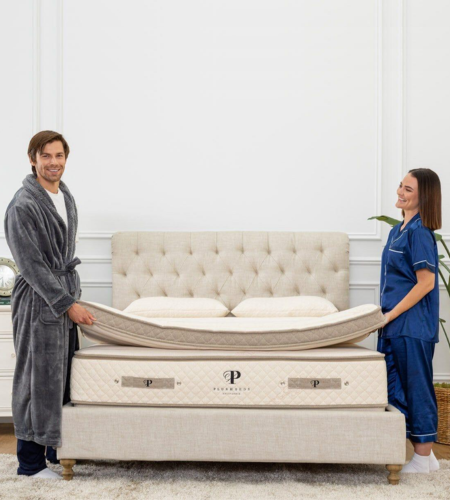
For example, PlushBeds offers organic latex mattress toppers in 2-inch and 3-inch thickness options, with firmness choices available on its product listings. These options may appeal to shoppers who want to adjust their existing mattress using a natural latex layer.
A new mattress makes more sense when your current bed’s overall construction, rather than just its surface feel, is the problem. If you want a different combination of comfort layers and underlying support, replacing the mattress gives you a more complete opportunity to choose a sleep surface that matches your preferences.
3. Understand the Support Difference
Comfort and support are related, but they are not interchangeable. A soft surface may feel pleasant initially, yet your mattress must still provide an appropriate, even foundation.
A topper can change cushioning and the sensation of firmness, but it cannot correct a sagging mattress or rebuild damaged internal components. If your hips sink into a worn section or the bed feels uneven, placing another layer on top may simply cover the symptoms temporarily.
In these circumstances, inspect the bed frame and foundation as well. An unsuitable or damaged foundation can contribute to an uneven sleep surface, so replacing the mattress without checking the base may not solve the entire problem.
When the mattress itself has lost its structural support, consider a replacement that offers the firmness, materials, and construction appropriate for your sleeping preferences.
4. Compare Your Budget and Long-Term Needs
A topper generally costs less than purchasing an entirely new mattress, making it an option for people seeking a smaller comfort adjustment. However, affordability should not be the only deciding factor.
If your mattress is still in good condition, a topper may extend its practical usefulness by improving the surface feel. If the mattress is already worn out, spending money on an additional layer could delay a necessary replacement without resolving the underlying problem.
Before deciding, compare the cost of a suitable topper with the price of a replacement mattress, including any necessary foundation changes. Consider how long you expect to keep the existing bed and whether the proposed upgrade addresses the actual issue.
The best-value choice is the one that meets your needs without paying for a solution that cannot fix the problem.
How PlushBeds Fits Your Mattress Upgrade
PlushBeds offers organic and natural mattress products, including latex toppers and complete mattresses. Its product range gives shoppers different ways to approach a bedroom comfort upgrade.
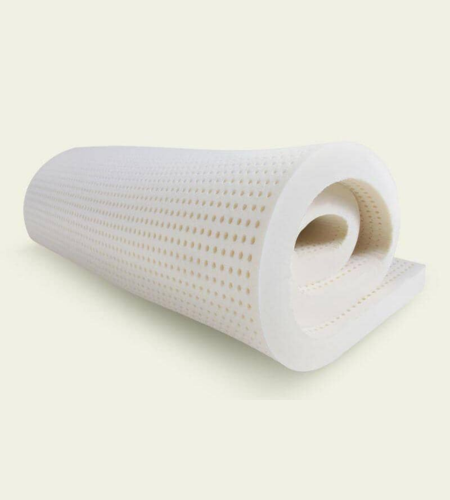
The Organic Latex Mattress Topper offers 2-inch and 3-inch options with different firmness levels to adjust your mattress feel. An optional organic cotton cover is also available.
For shoppers who need a complete replacement, PlushBeds offers organic latex mattresses, including the Botanical Bliss and Organic Bliss Pillowtop models. Their construction and firmness options differ, so review the specifications of each model before making a decision.
The main advantage of considering both categories is that you can evaluate a smaller comfort adjustment alongside a full mattress upgrade. Compare current prices, available sizes, product details, shipping terms, and applicable return policies before choosing.
Pros and Cons of Each Option
Mattress topper
Pros:
- Usually a smaller investment than replacing the mattress.
- Can adjust surface cushioning and firmness.
- Allows you to keep a structurally sound mattress.
Cons:
- Cannot repair deep sagging or damaged support.
- May not provide the desired change if the underlying mattress is unsuitable.
New mattress
Pros:
- Replaces worn comfort layers and internal support components.
- Provides an opportunity to choose different materials and firmness.
- May be more appropriate for a mattress with structural problems.
Cons:
- Usually involves a higher upfront cost.
- Requires more planning for delivery, setup, and disposal of the old mattress.
Save More on Every Order – Grab the Latest Coupons & Deals
Frequently Asked Questions
Is a mattress topper worth it for an old mattress?
It can be worthwhile if the mattress is still supportive and simply feels too firm or uncomfortable at the surface. If it sags or has structural damage, a topper is unlikely to solve the problem.
Can a mattress topper fix a sagging mattress?
No. It may disguise minor surface irregularities temporarily, but it cannot restore the mattress’s internal support. Significant sagging usually calls for a closer inspection and possible replacement.
Should I buy a 2-inch or 3-inch mattress topper?
The choice depends on how much surface adjustment you want, your existing mattress, and your comfort preferences. Review the material and firmness options rather than choosing thickness alone.
How do I know when to replace my mattress?
Consider replacement if you notice persistent sagging, structural damage, uneven support, or continuing discomfort associated with the mattress. Age can provide context, but condition and performance matter too.
Is a latex mattress topper a good option?
A latex topper may suit shoppers looking to adjust their mattress with a resilient cushioning layer. Review the product’s materials, firmness, thickness, care instructions, and suitability for your existing bed before choosing.
Conclusion
Choosing between a mattress topper vs a new mattress comes down to identifying the problem before spending money. A topper may be the practical solution when your current bed remains supportive but needs extra cushioning or a different surface feel. A new mattress is generally the better choice when sagging, damage, or failing support affects the entire sleep surface.
PlushBeds offers both organic latex toppers and complete mattress options, giving you products to compare according to your comfort preferences and budget. Assess your existing mattress first, then explore the relevant PlushBeds product specifications to find an upgrade that makes sense for your bedroom.