Table Of Content
- Save More on Every Order – Grab the Latest Coupons & Deals
- Why Running Gear Essentials Matter
- 1. Running Shoes That Suit Your Needs
- 2. A Breathable Running Hat
- 3. Comfortable Performance Clothing
- 4. A Running Essentials Bag
- 5. A Water Bottle and Hydration Plan
- How Getsprints Fits Your Running Kit
- Build Your Beginner Running Kit on a Budget
- Save More on Every Order – Grab the Latest Coupons & Deals
- Frequently Asked Questions
- 1. What running gear does a beginner need?
- 2. Are expensive running shoes necessary?
- 3. Is a running hat necessary?
- 4. What clothing is best for beginner runners?
- 5. Should beginners carry water while running?
- Conclusion
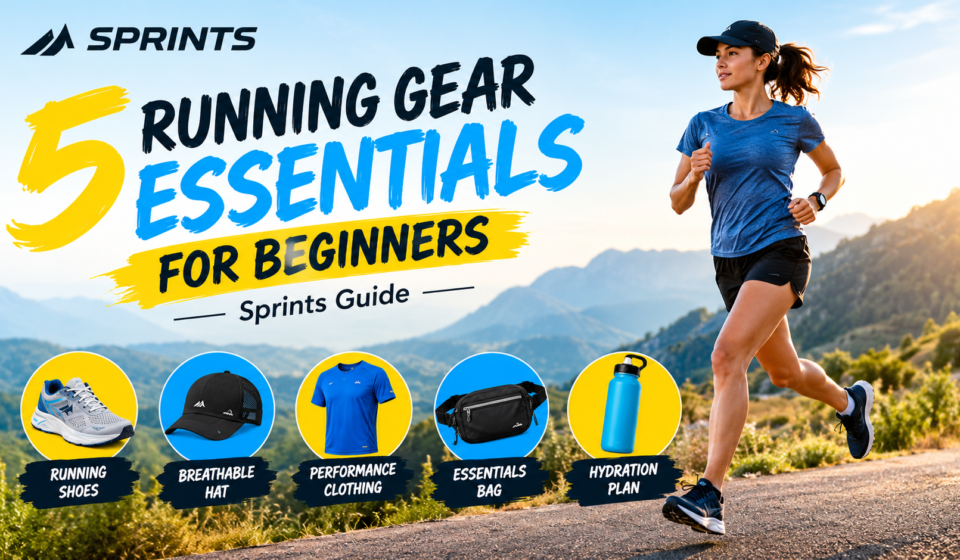
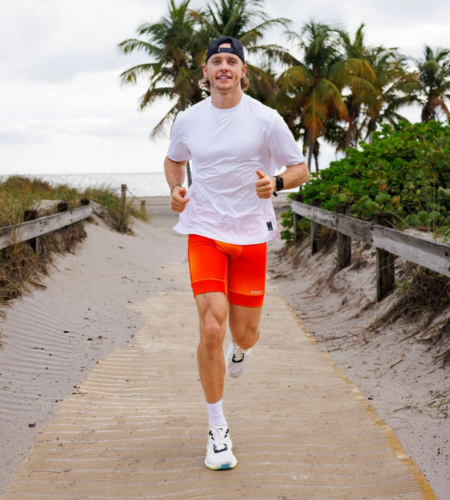
Starting to run does not require an expensive wardrobe or a bag full of specialist equipment. The right running gear for beginners should make your runs more comfortable, help you carry essential items, and support a routine you can maintain. If you are unsure what to buy first, focus on five basics: suitable running shoes, a breathable running hat, comfortable performance clothing, a small essentials bag, and a practical hydration plan.
Choosing equipment based on your running distance, local weather, fit, and personal preferences can help you avoid unnecessary purchases. Getsprints is a store to explore when looking for running-related products, but the smartest approach is to understand what each item should do before choosing a particular product. With a simple checklist, you can build a useful running kit gradually.
Save More on Every Order – Grab the Latest Coupons & Deals
Why Running Gear Essentials Matter
Beginner runners often assume they need specialized equipment before taking their first steps. In reality, a few well-chosen essentials are usually enough to get started. Comfortable gear can reduce distractions, make preparation easier, and help you feel ready to head outdoors.
Your needs depend on your running surface and climate. In hot weather, prioritize lightweight fabrics and sun protection, while cooler conditions may require extra layers.
Start with items that serve a clear purpose. Consider your existing wardrobe and accessories before buying anything new. This practical approach helps you spend your budget on genuine needs rather than equipment you may rarely use.
1. Running Shoes That Suit Your Needs
Running shoes are the first item to consider because fit and comfort matter during repetitive movement. Everyday fashion sneakers may not provide the fit, cushioning, or stability you prefer for running.
When choosing beginner running shoes, consider:
- Fit: Your toes should have comfortable room, without your heel slipping excessively.
- Comfort: Try the shoes on and walk or jog in them if possible.
- Running surface: Think about whether you mainly use roads, tracks, treadmills, or trails.
- Construction: Look for a design that feels appropriate for your needs and training routine.
There is no single shoe that suits every runner. Foot shape, personal comfort, running style, and budget all influence the decision. You do not necessarily need the most expensive model to begin.
2. A Breathable Running Hat
A lightweight running hat can be useful for outdoor sessions, particularly when you run in sunny or warm conditions. A suitable design may help shade your face and manage sweat around your head.
Look for breathable materials, a comfortable fit, and an adjustable closure if available. The hat should remain secure without feeling too tight. A lightweight design can also be easier to pack when you do not need it.
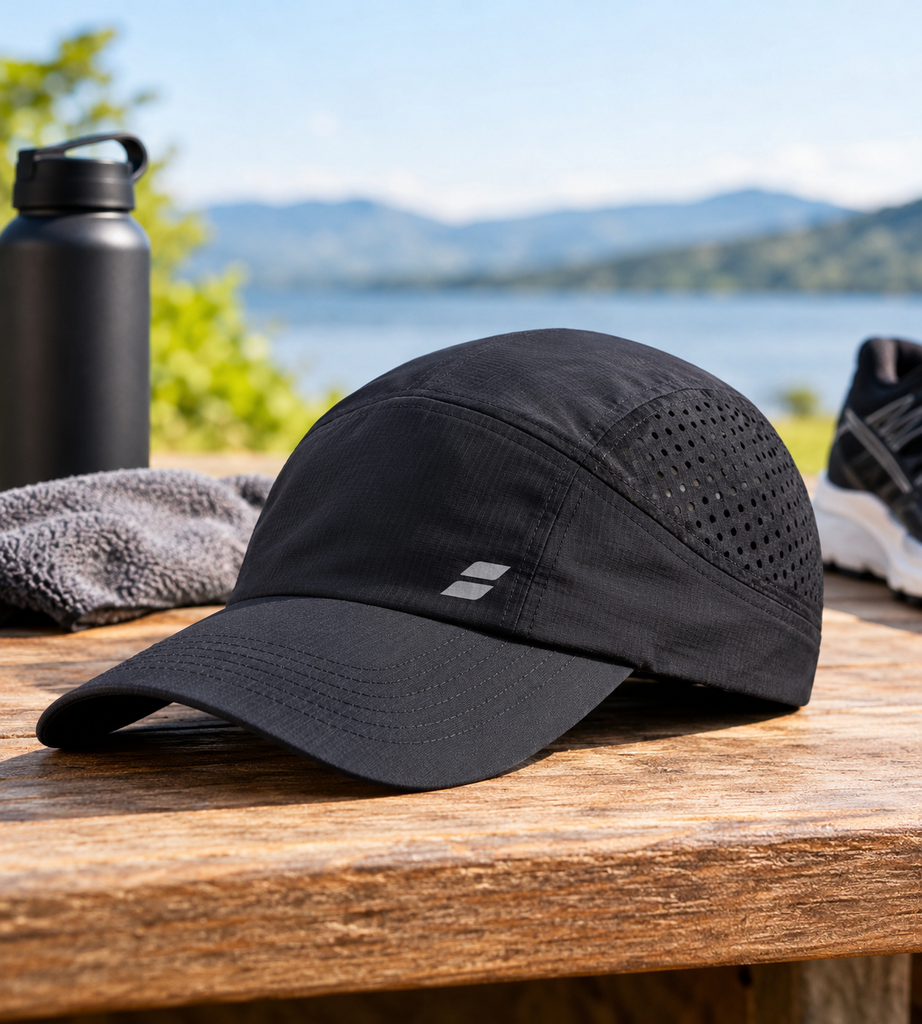
Remember that a hat is not a replacement for other sun-protection measures. Consider sunscreen, suitable clothing, shade, and the timing of your run according to local weather conditions.
3. Comfortable Performance Clothing
Running clothes should allow you to move freely without creating unnecessary irritation. While you can start with clothing you already own, garments designed for exercise may offer useful features such as lightweight construction, breathable fabrics, or sweat management.
For a beginner running kit, consider:
- A comfortable shirt that allows arm and shoulder movement.
- Shorts or running trousers suited to the temperature.
- Fabrics that feel comfortable against your skin.
- Layers for changing weather when necessary.
Fit matters as much as appearance. Clothing that repeatedly rubs, rides up, or restricts movement can become distracting during a run. You do not need a matching outfit; prioritize comfort, weather suitability, and ease of care.
4. A Running Essentials Bag
A small running bag can help organize the items you need before and after a session. Depending on its design, it may hold your phone, keys, identification, tissues, or other small necessities.
Choose a bag based on what you actually carry. A compact waist bag may suit someone who wants to keep their hands free, while a different design may work better for carrying additional items. Check the dimensions, compartments, fastening system, and fit before purchasing.
Avoid carrying unnecessary weight. For short runs close to home, you may only need a key and phone. For longer outings, plan what you need to bring and how you will carry it comfortably.
5. A Water Bottle and Hydration Plan
Hydration is an important part of preparing for physical activity. Your needs can vary with temperature, humidity, running duration, intensity, and individual factors.
For shorter, easy runs, you may be able to plan access to water before and after exercise. Longer sessions or hot conditions may require more deliberate preparation. A reusable water bottle can be convenient for carrying water to your starting point or keeping it accessible during suitable workouts.
Consider the distance, available refill points, and whether you want to carry water while running. There is no universal quantity that suits everyone. Plan sensibly for the conditions, and avoid treating thirst or hydration needs as identical for every runner.
How Getsprints Fits Your Running Kit
Getsprints is the store specified for this running gear guide. Its official website is a place to explore when looking for relevant running products and accessories.
Before selecting an item, check its current product description, materials, sizing information, available colors, and intended use. These details are more useful than choosing an item based on appearance alone.
Product availability, prices, shipping terms, and return conditions can change. Review the current information provided by the store before placing an order. If a product description does not clearly answer an important question, seek clarification rather than assuming a feature is included.
Build Your Beginner Running Kit on a Budget
You do not have to purchase all five essentials at once. Start with suitable running shoes and comfortable clothing, then identify what would make your particular routine easier.
Use this simple checklist:
- Check whether your existing shoes are comfortable and appropriate for running.
- Choose clothing that suits your local weather.
- Add a hat if it is useful for your outdoor conditions.
- Carry only the essentials you need.
- Plan access to water based on your run.
Compare prices and product details before spending. Reusable items may offer convenience over time, but only when their design suits your actual habits. A simple kit that you regularly use is more practical than a collection of accessories that stay at home.
Save More on Every Order – Grab the Latest Coupons & Deals
Frequently Asked Questions
1. What running gear does a beginner need?
Start with comfortable running shoes and clothing that allows free movement. A hat, small essentials bag, and water bottle can be useful depending on your route, weather, and running duration.
2. Are expensive running shoes necessary?
No. Prioritize fit, comfort, and suitability for your running surface rather than price alone. Compare available options and choose a pair that feels comfortable.
3. Is a running hat necessary?
Not for every run. A breathable hat can be useful outdoors in sunny conditions, but your needs depend on the weather, route, and personal preference.
4. What clothing is best for beginner runners?
Choose comfortable, lightweight clothing that allows movement. Breathable, moisture-managing fabrics may help you feel more comfortable during sweaty sessions.
5. Should beginners carry water while running?
It depends on the duration, weather, and access to drinking water. Consider your route and conditions when deciding whether to carry a bottle or plan a water stop.
Conclusion
The five running gear essentials for beginners are suitable running shoes, a breathable hat, comfortable performance clothing, a practical essentials bag, and a sensible hydration plan. Not every item is necessary for every runner, so focus on your comfort, local weather, route, and budget.
Build your kit gradually and prioritize products that solve a real need. Getsprints is worth exploring for relevant apparel and accessories, provided you check the latest product details before purchasing. Start with the basics, prepare for your next run, and let your equipment evolve as your running routine develops.