Table Of Content
- Save More on Every Order – Grab the Latest Coupons & Deals
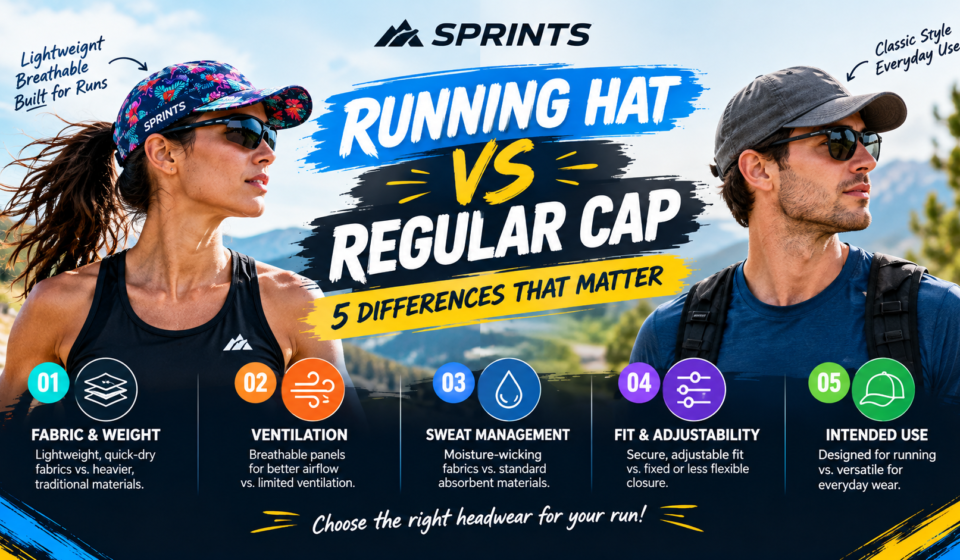
- 1. Fabric and Weight
- 2. Ventilation and Airflow
- 3. Sweat Management
- 4. Fit and Adjustability
- 5. Intended Use and Personal Style
- How Getsprints Fits Your Running Hat Search
- Save More on Every Order – Grab the Latest Coupons & Deals
- Frequently Asked Questions
- Is a running hat better than a regular cap?
- Can I wear a regular cap while running?
- What fabric is best for a running hat?
- Should a running hat have ventilation?
- How should I choose the right running hat size?
- Conclusion
Choosing between a running hat and a regular cap may seem like a small decision, but the right headwear can make outdoor exercise more comfortable. Both styles can provide shade, yet they may differ in fabric, airflow, sweat management, fit, and intended use. Understanding these differences helps you choose a cap that suits your running routine instead of relying on appearance alone.
A regular cap can work well for everyday activities and casual walks. A running hat, meanwhile, may include lightweight materials and ventilation features designed with exercise in mind. The best choice depends on the weather, how long you run, and what feels comfortable on your head. This guide compares five important features and explains what to look for when exploring running accessories from stores such as Getsprints.
Save More on Every Order – Grab the Latest Coupons & Deals
1. Fabric and Weight
One of the main differences between a running hat and a regular cap is the material used in its construction.
Regular caps often use cotton, canvas, or other everyday fabrics. These materials can be comfortable for casual wear, and their suitability depends on the particular design. However, some everyday caps may feel heavier or retain moisture during a sweaty run.

Running hats often use lightweight synthetic or technical fabrics. Depending on the model, these materials may help manage moisture and reduce the feeling of bulk during movement. Not every running hat has the same construction, so check the product description instead of assuming all performance caps are lightweight.
What to check: Look at the fabric composition, overall weight if listed, care instructions, and how the material feels against your skin. Choose a cap that suits your activity and climate.
2. Ventilation and Airflow
Running can increase body temperature, particularly during warm or humid weather. Ventilation is therefore another feature worth comparing when choosing headwear.
Running hats often feature mesh panels or breathable fabrics for better airflow. Regular caps vary in ventilation, with some offering eyelets and others using thicker materials.
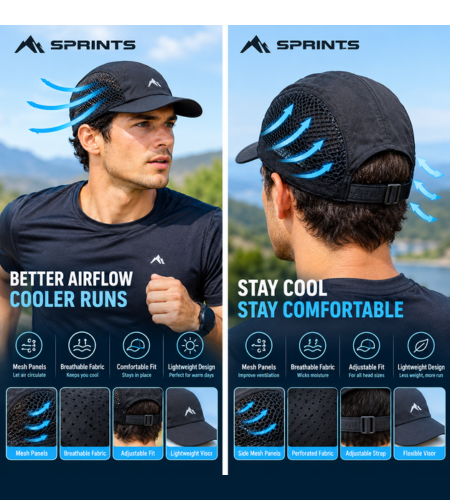
Remember that ventilation does not make a hat immune to heat. Your pace, the weather, fabric coverage, and individual comfort all matter.
What to check:
- Look for mesh panels or other ventilation features.
- Consider whether the fabric feels breathable.
- Check how the cap fits around your head.
- Choose coverage appropriate for your running conditions.
For outdoor runners, a lightweight, breathable design may be worth prioritizing during warmer months.
3. Sweat Management
Sweat management is another important difference. During exercise, moisture can collect around your forehead and under the cap, potentially becoming uncomfortable.
Some running hats use moisture-managing fabrics or built-in sweatbands. These features may help manage perspiration, although their effectiveness depends on the materials, fit, and amount of sweat produced.
Regular caps may also have sweatbands, but their construction varies. A cotton cap is not automatically unsuitable for running; it simply may behave differently from a technical fabric design.
When comparing products, check whether the sweatband is integrated, how the material should be cleaned, and whether the manufacturer provides care instructions. Washing requirements matter because frequent cleaning can affect fabric appearance and durability.
A practical tip is to avoid wearing a damp cap for longer than necessary after exercise. Let it dry according to its care instructions before storing it.
4. Fit and Adjustability
A hat that feels comfortable while standing still may shift when you begin running. Fit is important because repeated movement can make an incorrectly sized or poorly adjusted cap distracting.
Both running hats and regular caps may have adjustable straps, snapbacks, hook-and-loop closures, or fitted designs. Neither category automatically guarantees a better fit.
Look for an adjustment system that feels secure without creating uncomfortable pressure. The brim should provide useful shade without obstructing your view, and the cap should remain stable when you move your head.
Before purchasing, consider:
- Your head circumference and the available sizing.
- Whether the closure can be adjusted easily.
- Whether the cap feels secure during movement.
- Whether the brim suits your preferred coverage.
If possible, try the cap on before buying it. When shopping online, check the size chart and return conditions so you understand your options if the fit is unsuitable.
5. Intended Use and Personal Style
The final difference is how you plan to use the cap. A regular cap may be a practical choice for commuting, errands, casual walks, and everyday outfits. A running hat may be more suitable if its construction addresses your exercise needs.
Think about your typical routine. Someone running short distances in mild weather may be comfortable wearing an ordinary cap. Someone running regularly in warm conditions may prefer a lightweight design with additional ventilation and sweat-management features.
Appearance also matters. Color, patterns, brim shape, and branding can influence which hat you enjoy wearing. However, style should complement practical considerations rather than replace them.
If you want one cap for several activities, compare its comfort, material, care requirements, and versatility before deciding.
How Getsprints Fits Your Running Hat Search
Getsprints is the store identified for this guide. When exploring its running accessories, compare the available headwear against the features that matter most to you.
Look for product information covering fabric, ventilation, sweat management, closure style, sizing, and care. Product photographs can help you assess colors and patterns, but written specifications are more useful for confirming construction details.
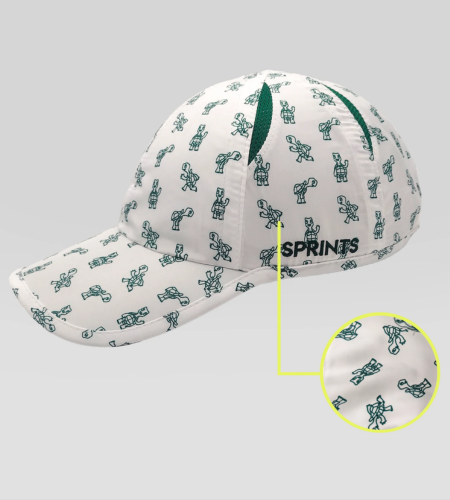
Do not assume that every product described as a running hat includes every performance feature. Check the details of the individual item before making a decision.
Prices, availability, and store policies can change, so verify current information on the official Getsprints website. Without verified product-specific information, it would be misleading to claim that a particular hat has superior materials, customer ratings, or performance.
Save More on Every Order – Grab the Latest Coupons & Deals
Frequently Asked Questions
Is a running hat better than a regular cap?
A running hat may be more suitable for exercise if it offers lightweight fabric, ventilation, and useful sweat-management features. A regular cap can also work, depending on its design and your comfort.
Can I wear a regular cap while running?
Yes. If it fits securely, feels comfortable, and suits the weather, a regular cap may be suitable for casual or recreational running.
What fabric is best for a running hat?
There is no single best fabric for everyone. Lightweight technical materials may suit runners who prioritize breathability and moisture management. Consider comfort, climate, and care requirements.
Should a running hat have ventilation?
Ventilation can be helpful, particularly in warm weather. Mesh panels or breathable construction may improve airflow, although the overall design and weather conditions also affect comfort.
How should I choose the right running hat size?
Check the manufacturer’s size chart, measure your head if needed, and review the available adjustment system. A suitable cap should feel secure without excessive pressure.
Conclusion
When comparing a running hat vs a regular cap, focus on five differences: fabric and weight, ventilation, sweat management, fit, and intended use. A performance-oriented running hat may offer useful features for regular exercise, while a comfortable everyday cap may be perfectly adequate for some runners.
Start with the conditions in which you run and the features you genuinely need. Then compare the available options at Getsprints, review their current product specifications, and choose headwear that balances comfort, function, and personal style.