Table Of Content
- Save More on Every Order – Grab the Latest Coupons & Deals
- Why Vitamin C Serum Matters
- 1. Check the Type of Vitamin C
- 2. Consider the Concentration
- 3. Look at Packaging and Formula Stability
- 4. Match the Formula to Your Skin’s Tolerance
- 5. Check How It Fits Your Daily Routine
- How Skincare Essentials Fits Your Buying Decision
- Save More on Every Order – Grab the Latest Coupons & Deals
- Frequently Asked Questions
- Is a higher percentage of vitamin C always better?
- Can I use vitamin C serum every day?
- Should I use vitamin C serum in the morning or at night?
- Can vitamin C serum replace sunscreen?
- How can I tell if a vitamin C serum has changed?
- Related Resources
- Conclusion
Vitamin C serum is a popular skincare product for people who want to improve the appearance of uneven skin tone and add an antioxidant to their routine. However, choosing one can be confusing. Products vary in vitamin C type, concentration, packaging, texture, and price, and a higher percentage does not automatically mean a better choice for your skin.
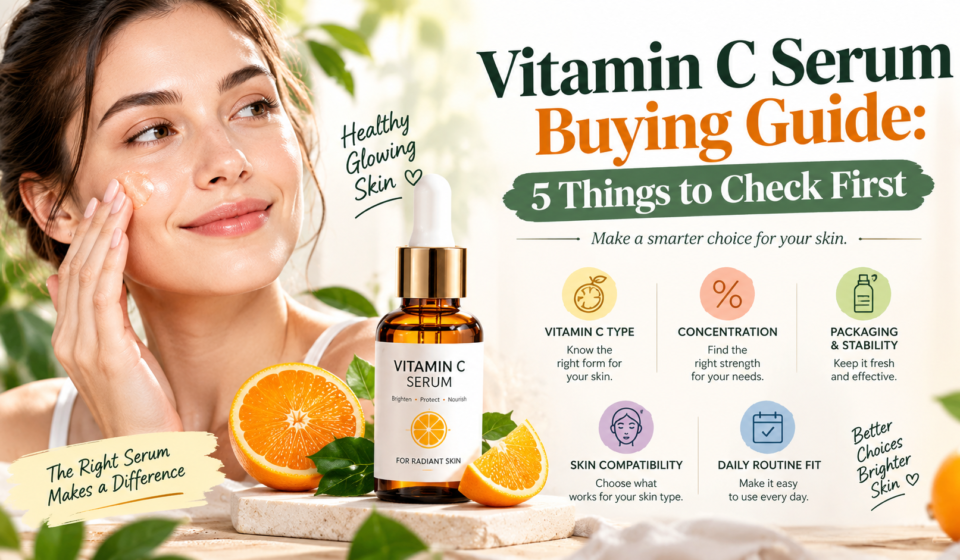
This vitamin C serum buying guide explains five important features to check before purchasing. Understanding the ingredient label, formula stability, skin compatibility, and everyday use can help you compare options without being distracted by marketing claims. Whether you are new to vitamin C or considering a different formula, focus on what the product contains, how it is packaged, and whether it fits your existing skincare routine.
Save More on Every Order – Grab the Latest Coupons & Deals:
Why Vitamin C Serum Matters
Vitamin C is an antioxidant that may help brighten dull skin, improve uneven skin tone, and support natural collagen production. Results depend on the formula, regular use, and individual skin characteristics.
A serum is an optional skincare step, not a replacement for sunscreen or moisturizer. Choose a suitable formula for your skin concerns, rather than focusing only on price.
1. Check the Type of Vitamin C
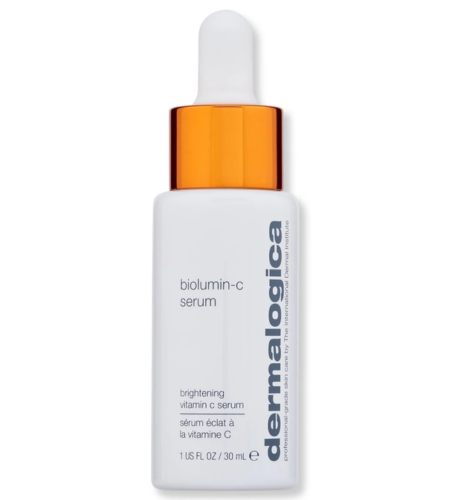
Start by reading the ingredient list rather than relying only on the product name. L-ascorbic acid, also called ascorbic acid, is a well-known form of vitamin C used in topical skincare. Other products use vitamin C derivatives, which differ in formulation characteristics and available evidence.
When comparing products, look for the specific vitamin C ingredient and review the manufacturer’s directions. Do not assume that all vitamin C forms behave identically or have the same level of research behind them.
If you are a beginner, choose a clearly labeled product from a seller that provides complete ingredient information. Transparent labeling makes it easier to understand what you are applying and to compare similar formulas.
2. Consider the Concentration
Vitamin C serums come in different concentrations, but a higher percentage isn’t always better. The right choice depends on the formula, ingredient type, and your skin’s tolerance.
L-ascorbic acid serums commonly contain 10%–20% vitamin C, but the ideal concentration depends on your skin type and tolerance. Stronger formulas may cause more irritation without offering a better fit for everyone.
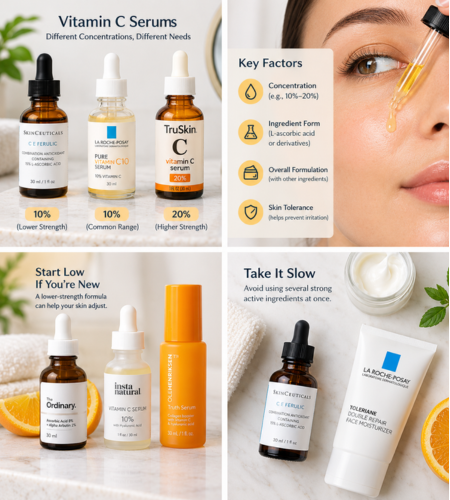
If you have never used vitamin C, consider starting with a lower-strength product designed for regular skincare use and follow its directions. Avoid introducing several strong active ingredients at the same time, since that can make irritation harder to identify.
3. Look at Packaging and Formula Stability
Vitamin C, particularly L-ascorbic acid, can be sensitive to light, air, and heat. Packaging can therefore be an important feature when comparing products.
Look for a well-sealed, opaque or dark container that helps limit exposure to light. An air-restrictive pump may also reduce repeated exposure compared with some open containers, although packaging alone cannot guarantee stability.
Check the manufacturer’s storage instructions and expiration information. Avoid leaving the serum in direct sunlight or in a hot location, such as a sunlit windowsill. Changes in color, smell, or texture may indicate that a product has changed, but appearance alone cannot reliably determine its safety or effectiveness. When in doubt, follow the manufacturer’s guidance.
4. Match the Formula to Your Skin’s Tolerance
Your skin’s response matters as much as the ingredient percentage. Some people tolerate vitamin C comfortably, while others experience dryness, stinging, redness, or irritation.
When comparing options, consider your existing routine and any history of sensitivity. A simple formula with clear directions may be easier to introduce than a product containing multiple active ingredients. Fragrance-free options may be worth considering if fragrance tends to bother your skin, though no ingredient list guarantees that irritation will never occur.
Introduce a new serum gradually according to its directions. Testing a small area first may help you notice an unwanted reaction before applying it more widely. Stop using the product if significant irritation develops. If you have a persistent skin condition or are unsure which ingredients suit you, ask a qualified healthcare professional for advice.
5. Check How It Fits Your Daily Routine
A useful skincare product should fit comfortably into your routine. Vitamin C serum is often applied in the morning after cleansing and before moisturizer and sunscreen, although the product’s instructions should guide your use.
A simple morning routine could look like this:
- Cleanse with a gentle cleanser.
- Apply vitamin C serum as directed.
- Use moisturizer if your skin needs it.
- Finish with broad-spectrum sunscreen with SPF 30 or higher.
Vitamin C may complement sun protection, but it does not replace sunscreen. Apply sunscreen generously and reapply according to its directions, particularly during extended outdoor exposure.
Also consider the serum’s texture. If it feels sticky, pills under other products, or does not fit your routine, you may find it difficult to use consistently. Check the return policy before buying if you are uncertain whether a retailer allows opened skincare products to be returned.
How Skincare Essentials Fits Your Buying Decision
Skincare Essentials is the store name provided for this guide. However, the supplied official website, guardblinds.com, does not establish that it sells vitamin C serum or other skincare products. Specific products, prices, shipping terms, and customer experiences therefore cannot be verified from the supplied information.
Before purchasing, check product availability, review the full ingredient list, and confirm the concentration and usage instructions.
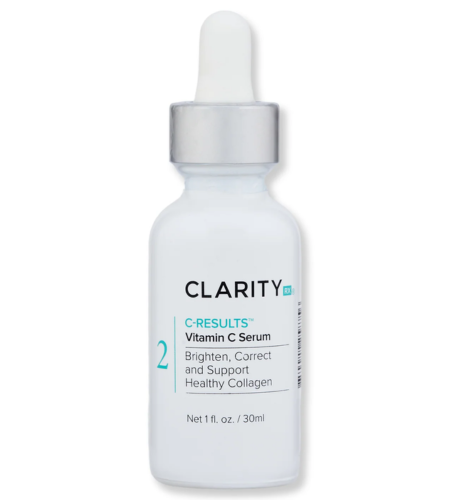
Also, review the retailer’s current delivery and return policies carefully before placing an order, including estimated shipping times, delivery charges, eligibility for returns, and any applicable refund conditions. Comparing these details can help you understand the overall purchasing experience and avoid unexpected costs or restrictions.
When evaluating a product, look beyond its packaging, promotional language, and general marketing claims. Compare the complete product description, ingredients, concentration, usage instructions, and other relevant details to make a more informed purchasing decision.
Save More on Every Order – Grab the Latest Coupons & Deals:
Frequently Asked Questions
Is a higher percentage of vitamin C always better?
No. A higher concentration is not automatically more effective or suitable for every skin type. The form of vitamin C, the complete formula, and your tolerance all matter.
Can I use vitamin C serum every day?
Some products are designed for daily use, but follow the specific directions and introduce the serum gradually if you are new to it or have sensitive skin.
Should I use vitamin C serum in the morning or at night?
Many people use it in the morning before moisturizer and sunscreen. Nighttime use may also be suitable depending on the product instructions and your routine.
Can vitamin C serum replace sunscreen?
No. Vitamin C serum is not a substitute for sunscreen. Use broad-spectrum sunscreen with SPF 30 or higher and follow its application and reapplication directions.
How can I tell if a vitamin C serum has changed?
Check the product’s expiration date, storage guidance, and instructions about changes in appearance. If its color, smell, or texture changes noticeably, consult the manufacturer before continuing to use it.
Related Resources
For help organizing your products into manageable daily steps, explore the topic “Skincare Essentials: Simple Skincare Routine Guide.” A simple routine can make it easier to introduce a new serum and notice how your skin responds.
Conclusion
The best way to approach a vitamin C serum buying guide is to look beyond the percentage on the label. Check the vitamin C type, concentration, packaging, skin compatibility, and how the product fits your routine. Introduce new products carefully, maintain daily sun protection, and give your skin time to respond without expecting guaranteed results.
When exploring options under Skincare Essentials, verify that the supplied website offers the product you want and review its current details before purchasing. An informed choice starts with a suitable formula, clear labeling, and realistic expectations.