Table Of Content
- 🎉 Save More on Every Order – Grab the Latest Coupons & Deals
- What Is Tin Can and How Does It Work?
- Why Consider a Screen-Free Phone for Kids?
- Key Tin Can Features and Benefits
- 1. Approved Contacts
- 2. Wi-Fi Calling Without a Phone Jack
- 3. Scheduled Calling Hours
- 4. Free Tin Can-to-Tin Can Calls
- 5. Additional Calling Features
- Tin Can Pricing and Subscription Costs
- Pros and Cons of Tin Can for Kids
- Is Tin Can Worth It for Younger Children?
- 🎉 Save More on Every Order – Grab the Latest Coupons & Deals
- Frequently Asked Questions
- Does Tin Can require Wi-Fi?
- Can kids call regular mobile phones?
- Is Tin Can safer than a smartphone?
- Does Tin Can have parental controls?
- Is Tin Can worth the price?
- Conclusion
Choosing a first phone for your child can be challenging. You may want them to call friends, grandparents, and other family members independently, but you might not be ready for the distractions of smartphones, social media, messaging apps, and online games. That is where a screen-free phone can offer a different approach.
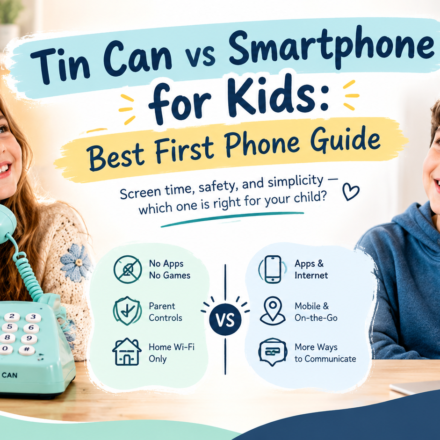
Tin Can is a Wi-Fi home phone designed specifically for children. It allows kids to make voice calls with approved contacts without providing a screen, texting, or gaming features. Parents manage contacts and calling schedules through a companion app, creating a more controlled way for children to stay connected.
But is Tin Can worth it for kids? The answer depends on your family’s budget, Wi-Fi access, communication needs, and whether your child would benefit from a dedicated phone at home.
🎉 Save More on Every Order – Grab the Latest Coupons & Deals
What Is Tin Can and How Does It Work?
Tin Can is a modern take on the traditional landline, designed to encourage voice conversations without smartphone distractions. It connects to your home’s Wi-Fi network and a regular electrical outlet, so you do not need a traditional telephone jack.
Parents use the Tin Can app to manage contacts and call times, while kids call approved contacts using the phone.

The main idea is simple: give children a way to communicate independently without handing them a smartphone.
Unlike a mobile phone, Tin Can is designed to stay in one place. Children cannot carry it to school or use it while travelling, making it more suitable for home communication than an all-purpose device.
Why Consider a Screen-Free Phone for Kids?
Children often want more independence as their friendships develop. They may want to arrange playdates, call a school friend, or talk to grandparents without asking a parent to make every call.
A screen-free phone can help families introduce this independence gradually.
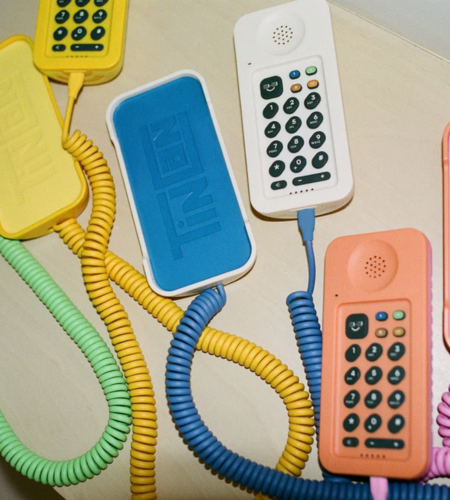
Potential benefits include:
- Fewer digital distractions: Without apps, games, or texting, the phone focuses on voice communication.
- More independent conversations: Children can learn to dial numbers, speak clearly, and end calls appropriately.
- Parent-managed contacts: Families can control who is allowed to communicate with the device.
- A dedicated calling space: A home phone creates a simple routine for keeping in touch with friends and relatives.
However, a screen-free device does not automatically teach every aspect of digital safety or communication etiquette. Children still need guidance about privacy, appropriate conversations, and what to do if something makes them uncomfortable.
Key Tin Can Features and Benefits
Tin Can combines a traditional telephone experience with modern parental controls. Here are the main features families should understand before purchasing.
1. Approved Contacts
Parents manage incoming and outgoing contacts through the companion app. This helps limit communication to people the family has approved rather than allowing unrestricted calls from unfamiliar numbers.
It is particularly useful for parents who want their children to connect with friends and relatives without opening access to every caller.
2. Wi-Fi Calling Without a Phone Jack
Tin Can uses home Wi-Fi rather than a conventional telephone connection. Setup requires a compatible Wi-Fi connection, the companion app, and an electrical outlet.
Because it relies on internet connectivity and power, it may not work during certain network or electricity outages.
3. Scheduled Calling Hours
Parents can set quiet hours to restrict ordinary incoming and outgoing calls during selected periods. This can help families establish boundaries around bedtime, homework, and family activities.
4. Free Tin Can-to-Tin Can Calls
The Can 2 Can plan includes calling other Tin Can devices without a monthly subscription, subject to the service’s terms. This can be appealing if your child’s friends or relatives also have compatible devices.
5. Additional Calling Features
The device also offers features such as speed dial, voicemail, speakerphone, and call logs. Emergency calling is supported, but families should configure it correctly and maintain an alternative way to contact emergency services if internet or power disruptions prevent a call.
Tin Can Pricing and Subscription Costs
The official Tin Can product listing shows a device price of $100. Its calling options are an important part of the overall cost.
The Can 2 Can plan provides calls between Tin Can devices without a monthly subscription. The Party Line plan is listed at $9.99 per month and enables calls to approved regular phone numbers, including compatible mobile and landline numbers. The official offer also includes a free first month of the Party Line plan.
Before purchasing, check the current product page for the latest price, availability, shipping details, and plan terms. Subscription charges can affect the total cost over time, especially for families who want children to call relatives who do not own Tin Can devices.
Pros and Cons of Tin Can for Kids
Pros
- No screen, texting, games, or social media.
- Parents control approved contacts.
- Scheduled quiet hours help establish boundaries.
- Wi-Fi connectivity eliminates the need for a traditional phone jack.
- Children can practise making calls more independently.
Cons
- Requires home Wi-Fi and electrical power.
- Not portable like a mobile phone.
- Calling regular phone numbers requires the paid Party Line plan.
- Its usefulness may depend on whether friends and family are reachable through the available calling options.
- It is an additional household purchase rather than a replacement for every communication need.
The most important consideration is whether your child will use it regularly. A feature-rich device offers little value if your family rarely makes voice calls or your child’s friends cannot be reached through the available plans.
Is Tin Can Worth It for Younger Children?
Tin Can may be worth considering for children who are ready to communicate more independently but are not ready for a smartphone. It can be especially appealing to families who value voice conversations and want to introduce technology with clear boundaries.
The right age depends on your child’s maturity, phone skills, and ability to follow basic phone etiquette and contact rules.

Older children who want messaging, portable communication, or more flexible ways to reach friends may find a stationary phone limiting.
🎉 Save More on Every Order – Grab the Latest Coupons & Deals
Frequently Asked Questions
Does Tin Can require Wi-Fi?
Yes. Tin Can connects through home Wi-Fi and requires electrical power. It does not need a traditional telephone jack.
Can kids call regular mobile phones?
Yes, through the Party Line plan, which supports calls to approved regular phone numbers. Tin Can-to-Tin Can calling is available without a monthly subscription, subject to the service terms.
Is Tin Can safer than a smartphone?
Tin Can removes access to smartphone features such as apps, texting, and games. Its approved-contact controls also limit who can call. However, no communication device eliminates every safety risk, so parental guidance remains important.
Does Tin Can have parental controls?
Yes. Parents can manage approved contacts, set calling hours, and review call logs through the companion app.
Is Tin Can worth the price?
It may be worthwhile if your child regularly calls friends and family and you value a screen-free communication option. Consider the initial device cost, any subscription fees, and whether your child’s contacts can use the available calling plans.
Conclusion
So, is Tin Can worth it for kids? For families seeking a screen-free way to introduce independent communication, it offers a useful alternative to giving a child a smartphone. Approved contacts, scheduled calling hours, and Wi-Fi calling make it a practical option for home use.
Its limitations matter, too. The device needs power and Wi-Fi, stays in one place, and may require a paid plan for calls to regular phone numbers. Consider your child’s age, calling habits, and your family’s budget before deciding.
If the concept fits your family’s needs, explore Tin Can’s official product information to review the available device, calling plans, and current purchase details before making a decision.