Table Of Content
- Save More on Every Order – Grab the Latest Coupons & Deals
- Why a Smarter Table Tennis Training Routine Matters
- How PONGBOT Fits the Topic
- Build a 30-Minute PONGBOT Practice Plan
- Choosing the Right PONGBOT Setup
- Pricing, Shipping, and Customer Support
- Pros and Cons
- Save More on Every Order – Grab the Latest Coupons & Deals
- Frequently Asked Questions
- Can you practice table tennis alone?
- How long should a table tennis training session be?
- Is a table tennis robot good for beginners?
- What should I practice first?
- Does a robot replace a training partner?
- Related Resources
- Conclusion
A good table tennis training routine is not simply a long session of hitting as many balls as possible. Useful practice has a clear purpose: warm up your strokes, repeat a specific movement, work on placement or spin, and then test those skills under more demanding conditions. This matters especially when you practice alone, because unstructured sessions can become repetitive.
A simple solo plan can combine controlled forehand and backhand work, footwork, targeted placement, and match-style variation. For players who want repeatable ball feeds, PONGBOT’s table tennis robots can add structure by delivering programmable practice balls without requiring a training partner.
Save More on Every Order – Grab the Latest Coupons & Deals:
Why a Smarter Table Tennis Training Routine Matters
Focus on one skill per session: forehand, backhand, footwork, serves, or spin.
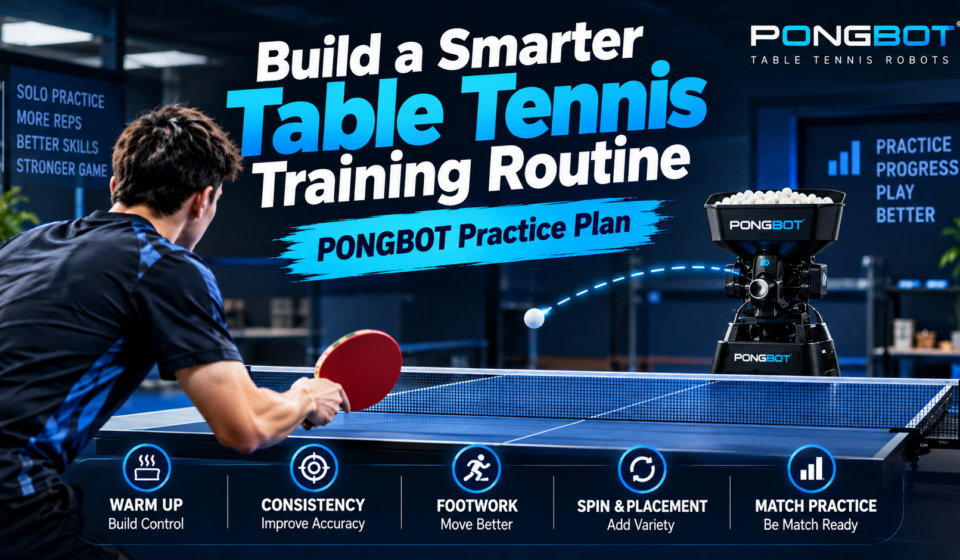
- Warm up: Easy strokes.
- Consistency: Repeat controlled feeds.
- Movement: Add wider placements.
- Challenge: Increase speed or spin.
Solo practice builds technique and repetition but should be combined with partner or match play.
How PONGBOT Fits the Topic
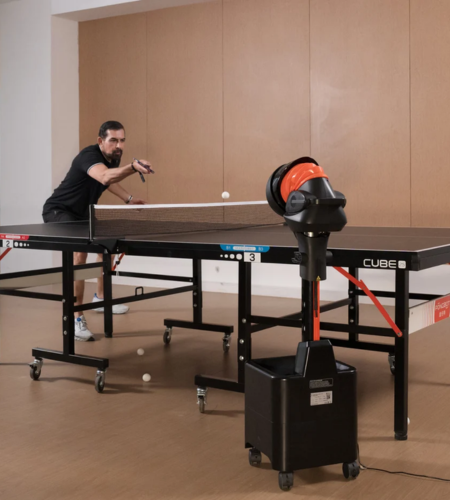
PONGBOT’s official table tennis lineup includes the Nova S Pro, Omni S Series, and Halo S Pro. The company describes these machines as tools for solo training, with customizable drills and different levels of placement, spin, and programmed practice.
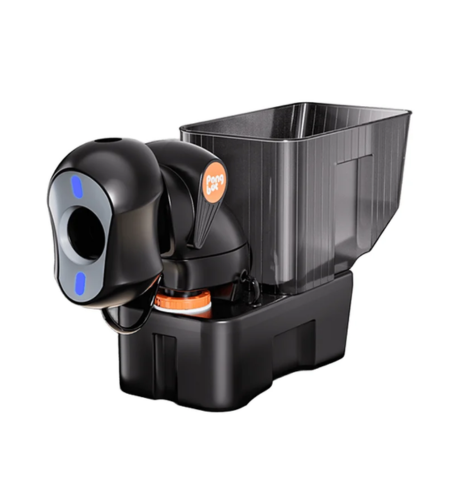
The Nova S Pro is the portable option in the lineup. PONGBOT lists it at 4 kg, with 264 pre-programmed drills, a 150-ball capacity, and ball speeds from 2–15 m/s. Its current listed price starts at $299.99.
The Omni S Series offers broader placement capabilities, with models offering up to 522 pre-programmed drills. The Halo S Pro is the standing model and lists 702 pre-programmed drills, up to 100 r/s spin speed, and 2–15 m/s ball speed.
Build a 30-Minute PONGBOT Practice Plan
You do not need to use every feature in every session. A focused 30-minute routine could look like this:
Minutes 1–5: Warm up
Start with controlled forehand and backhand repetitions. Keep the pace comfortable and focus on balanced recovery.
Minutes 6–13: Build consistency
Choose one placement, such as the forehand or backhand corner. Repeat the pattern and focus on clean contact rather than maximum speed.
Minutes 14–22: Add movement
Change the ball location between two areas of the table. Use small, efficient footwork and return to a ready position after each stroke.
Minutes 23–27: Add variation
Introduce different spin or speed settings if your robot supports them. The goal is to make the same basic stroke work under changing conditions.
Minutes 28–30: Match challenge
Finish with a less predictable pattern. Concentrate on recovery, placement, and decision-making rather than simply keeping up with the feed.
This progression follows the core idea shown in the pin: quality repetitions should come before random difficulty. Structured solo practice can also help players focus on one technical goal instead of simply accumulating hitting time.
Choosing the Right PONGBOT Setup
Choose based on your training needs:
- Nova S Pro: Portable solo practice.
- Omni S Series: Advanced placement and programming.
- Halo S Pro: Standing setup with many drills.
PONGBOT also offers nets, ball pickers, and rackets.
Pricing, Shipping, and Customer Support
PONGBOT’s table tennis collection currently lists the Nova S Pro from $299.99, the Omni S Series from $749.99, and the Halo S Pro at $1,499.99. Prices and promotions can change, so check the official store before purchasing.
The company says it offers free shipping to the United States, Europe, and Australia, while shipping fees apply to other regions. Its support information states that delivery generally takes 3–7 business days for the United States and European Union. PONGBOT also advertises a 30-day return window and product warranties.
Pros and Cons
Pros
- Supports structured solo practice.
- Offers programmable drills and different training levels.
- Includes portable and advanced table tennis options.
- Can reduce dependence on a practice partner.
Cons
- A robot cannot fully reproduce an unpredictable human opponent.
- Higher-end models require a larger equipment budget.
- Some features may be unnecessary for basic repetition.
Save More on Every Order – Grab the Latest Coupons & Deals:
Frequently Asked Questions
Can you practice table tennis alone?
Yes. Shadow strokes, serving, footwork, self-feeding, rebound work, and robot training can all support solo practice.
How long should a table tennis training session be?
A focused 30–60 minute session can work well when each block has a specific purpose.
Is a table tennis robot good for beginners?
It can be useful with controlled feeds and simple placements, increasing difficulty gradually.
What should I practice first?
Begin with a warm-up, then choose one priority such as forehand consistency, backhand control, placement, or footwork.
Does a robot replace a training partner?
No. It can provide repeatable feeds, but partner and match practice remain important for reading opponents and adapting to unpredictable shots.
Related Resources
For a broader look at PONGBOT equipment and table tennis robot features, see the PONGBOT review and table tennis robot analysis. It can complement this practice-focused guide when comparing equipment with your training needs.
Conclusion
A smarter table tennis training routine is built around purposeful repetition, gradual difficulty, movement, and measurable goals. Start with controlled strokes, build consistency, add footwork, and finish with varied practice. If solo training is a regular part of your schedule, PONGBOT offers several table tennis robot options that can make structured repetition easier to organize. Explore the official store to compare current models, accessories, pricing, and shipping details.