Table Of Content
- ✨ Discover Special Offers & Discounts
- What Is Personalized Nutrition?
- 5 Ways to Find Foods That Fit Your Body
- 1. Pay Attention to How Different Foods Make You Feel
- 2. Focus on Nutrient-Dense Whole Foods
- 3. Understand the Role of Your Gut Microbiome
- 4. Build a Nutrition Routine Around Your Lifestyle
- 5. Explore Personalized Nutrition Testing
- How Viome Supports Personalized Nutrition
- Is Viome Worth Considering?
- 💎 Unlock Incredible Deals & Savings
- Frequently Asked Questions
- 1. What is the main benefit of personalized nutrition?
- 2. Does everyone need a personalized diet?
- 3. Can gut health influence food choices?
- 4. How does Viome provide personalized food recommendations?
- 5. Is personalized nutrition testing necessary?
- Related Resources
- Conclusion
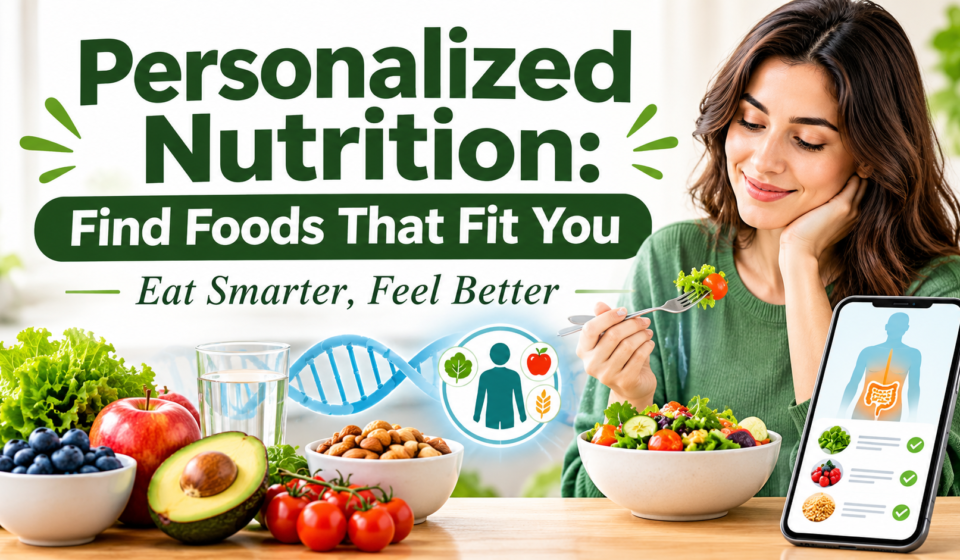
Eating healthy sounds simple, but choosing the right foods for your body can be more complicated than following a popular diet. Some people feel comfortable eating certain foods, while others experience digestive discomfort or find that their nutritional needs differ. This is where personalized nutrition becomes interesting. Instead of following the same meal plan as everyone else, this approach considers individual preferences, lifestyle, health goals, and biological differences when making food choices.
Understanding what works for your body can help you develop a more sustainable eating routine. From paying attention to food responses to learning about your gut microbiome, several approaches can make nutrition more individual. Companies such as Viome also offer testing services designed to provide personalized insights and food recommendations.
✨ Discover Special Offers & Discounts
What Is Personalized Nutrition?
Personalized nutrition is an approach to eating that recognizes individual differences in nutritional needs and responses to food.
Traditional dietary advice usually provides general recommendations, such as eating more vegetables, choosing whole grains, and limiting excessive added sugar. These guidelines remain useful, but they do not necessarily explain how every individual responds to specific foods.
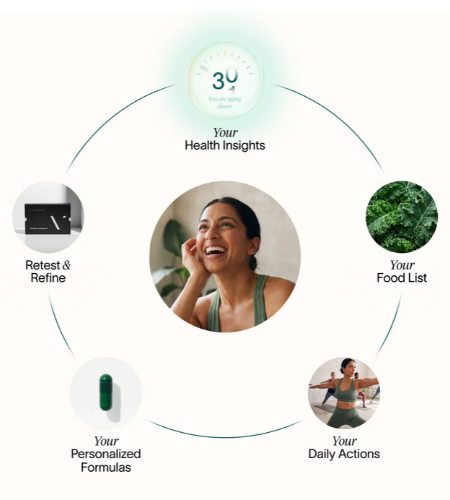
Personalized nutrition considers factors such as:
- Age and lifestyle.
- Dietary preferences.
- Activity levels.
- Existing health considerations.
- Digestive experiences.
- Individual nutritional goals.
- Gut microbiome characteristics.
The purpose is not to create a complicated diet. It is to make everyday food choices more relevant to individual needs.
5 Ways to Find Foods That Fit Your Body
1. Pay Attention to How Different Foods Make You Feel
One practical starting point is observing your body’s responses after meals.
Notice whether particular foods leave you feeling satisfied, comfortable, or unusually uncomfortable. Consider meal size, ingredients, and eating patterns rather than immediately blaming one food.
Keeping a food journal can help you identify recurring patterns. Write down:
- What you eat during the day.
- Approximate meal times.
- Your energy levels.
- Digestive symptoms.
- Foods you particularly enjoy.
This information can help you have more productive conversations with a registered dietitian or healthcare professional.
2. Focus on Nutrient-Dense Whole Foods
Personalized nutrition does not mean ignoring basic dietary principles. A varied, balanced diet remains an important foundation.
Try including different food groups throughout your week:
- Leafy greens for vitamins and minerals.
- Berries for fiber and naturally occurring plant compounds.
- Whole grains for dietary fiber.
- Nuts and seeds for healthy fats.

- Beans and lentils for plant protein and fiber.
- Fruits and vegetables for a range of nutrients.
Rather than following restrictive food rules, focus on variety and balance. Your preferences, cultural food choices, and practical needs should also influence your eating routine.
3. Understand the Role of Your Gut Microbiome
Your gut microbiome consists of microorganisms living throughout your digestive system. These organisms interact with dietary components and contribute to several digestive and metabolic processes.
The composition and activity of the gut microbiome can differ between individuals. Diet, medications, lifestyle, and environmental factors can influence it.
Fiber-rich foods are particularly useful because certain fibers act as prebiotics, providing nourishment for gut microorganisms.
You can support dietary variety by including oats, beans, lentils, vegetables, fruits, and other plant-based foods in your meals.
However, microbiome differences do not automatically mean that a particular food is unhealthy for you.
4. Build a Nutrition Routine Around Your Lifestyle
The best eating routine is one that you can maintain consistently.
Someone with a physically demanding job may have different energy requirements from someone who spends most of the day sitting. Similarly, people with different schedules, budgets, and dietary preferences may need different meal-planning strategies.
Consider these practical adjustments:
- Prepare balanced meals ahead of busy days.
- Include protein sources in your meals.
- Choose snacks that provide useful nutrients.
- Drink enough water throughout the day.
- Adjust portion sizes to your individual needs.
A sustainable routine should support your daily life rather than make eating unnecessarily stressful.
5. Explore Personalized Nutrition Testing
If general nutrition advice leaves you with unanswered questions, personalized testing may provide additional information.
Some testing services analyze biological samples to examine different aspects of the body’s microbiome and related activity.
These services may provide food recommendations based on the measurements included in their testing process. However, results should be interpreted carefully because commercial microbiome testing is an evolving field, and not every recommendation has established clinical benefits.
Testing is an optional source of information, not a requirement for eating well.
How Viome Supports Personalized Nutrition
Viome is a health technology company offering at-home testing designed to provide personalized insights into gut health and nutrition.
Its Gut Intelligence Test uses RNA-based technology to analyze microbial gene activity from a stool sample. According to its official product information, the test provides more than 25 gut health scores and over 370 personalized food recommendations.
These recommendations are intended to help users understand how different foods relate to their individual microbiome findings.
Viome also offers a Full Body Intelligence Test, which combines gut microbiome, oral microbiome, and cellular health testing.
Depending on the selected service, users can explore:
- Personalized food recommendations.
- Gut health insights.
- Prebiotic and probiotic recommendations.
- Personalized supplement options.
- Health scores through its digital platform.
The company provides an at-home sample collection process, followed by laboratory analysis and digital results.
For people interested in exploring their microbiome, Viome offers a structured way to access additional biological information rather than relying entirely on general dietary recommendations.
Is Viome Worth Considering?
Viome may appeal to people interested in learning more about their microbiome and exploring personalized nutrition recommendations.
Its key benefits include easy home testing, health scores, and personalized food recommendations.
Testing can be expensive, personalized products may add ongoing costs, and microbiome advice should complement—not replace—established nutritional guidance.

Independent reviews have also raised questions about the clarity and practical usefulness of some testing results.
Before purchasing, review the test’s current features, pricing, sample requirements, and privacy terms. Remember that microbiome testing cannot independently diagnose medical conditions or guarantee better health outcomes.
💎 Unlock Incredible Deals & Savings
Frequently Asked Questions
1. What is the main benefit of personalized nutrition?
It helps individuals consider their dietary preferences, lifestyle, nutritional needs, and potential food responses when making eating decisions.
2. Does everyone need a personalized diet?
No. Many people can meet their nutritional needs through a balanced diet. Personalized approaches are optional and may be useful for addressing individual goals or preferences.
3. Can gut health influence food choices?
The gut microbiome interacts with dietary components and contributes to digestive processes. However, microbiome information alone cannot determine the perfect diet for an individual.
4. How does Viome provide personalized food recommendations?
Viome analyzes biological samples using its testing technology and uses the results to generate individualized food and wellness recommendations.
5. Is personalized nutrition testing necessary?
No. It is not essential for maintaining a healthy diet. Testing may provide additional information, but everyday dietary habits remain important.
Related Resources
For additional information about the company’s testing approach, product features, pricing, and customer considerations, explore the Viome review and personalized testing guide on Reviewness.
Conclusion
Personalized nutrition offers a different way to think about healthy eating. Instead of assuming that one diet works for everyone, it encourages individuals to consider their nutritional needs, lifestyle, preferences, and responses to food.
Start with balanced meals, a variety of whole foods, and consistent eating habits. Pay attention to how your body responds and seek professional guidance when you have ongoing dietary or digestive concerns.
If you are interested in learning more about your gut microbiome and individualized food recommendations, Viome is one option worth exploring. Its testing services can provide additional insights to consider when making informed nutrition decisions.