Table Of Content
- ✨ Discover Special Offers & Discounts
- What Is the Gut Microbiome?
- Why Is the Gut Microbiome Important?
- 1. Supports Digestion
- 2. Helps Support Immune Function
- 3. Contributes to Nutrient Production
- 4. Interacts With the Gut-Brain Connection
- What Can Affect Your Gut Microbiome?
- What Is an Unbalanced Gut Microbiome?
- How Viome Fits Into Gut Microbiome Research
- What to Consider Before Using a Gut Microbiome Test
- 💎 Unlock Incredible Deals & Savings
- Frequently Asked Questions
- 1. What is the gut microbiome in simple words?
- 2. Are all gut bacteria beneficial?
- 3. How can I support my gut microbiome naturally?
- 4. Can gut microbiome testing identify digestive diseases?
- 5. What does the Viome Gut Intelligence Test measure?
- Related Resources
- Conclusion
Your digestive system does more than break down food. Inside your intestines lives a complex community of microscopic organisms that helps support several important processes in your body. This community is called the gut microbiome, and understanding how it works can help you make more informed decisions about your digestive health.
The gut microbiome includes bacteria, fungi, viruses, and other microorganisms that interact with your body in different ways. Their activities can influence digestion, nutrient processing, and immune function. However, everyone’s microbial community is different, and everyday habits can affect its balance.
For people interested in learning more about their gut health, companies such as Viome offer at-home testing designed to provide personalized microbiome insights.
✨ Discover Special Offers & Discounts
What Is the Gut Microbiome?
The gut microbiome is the collection of microorganisms and their genetic material living throughout your digestive tract, particularly in your large intestine.
Although bacteria receive most of the attention, the microbiome contains several types of microorganisms, including:
- Bacteria: Help break down dietary fiber and produce useful substances.
- Fungi: Part of the gut microbiome.

- Viruses: Include organisms that interact with other microbes, such as bacteriophages.
- Other microorganisms: Contribute to the wider digestive ecosystem.
Many of these organisms coexist naturally with the human body. Some perform helpful functions, while others can become problematic under certain conditions.
Your gut microbiome is also unique. Diet, environment, medications, age, and lifestyle can influence its composition over time. niehs.nih.gov+1
Why Is the Gut Microbiome Important?
The gut microbiome contributes to several everyday biological processes. Although researchers are still investigating many of its connections with overall health, some functions are well established.
1. Supports Digestion
Certain gut bacteria help break down dietary fibers and complex carbohydrates that human digestive enzymes cannot fully process.
During this process, microorganisms produce short-chain fatty acids, which help nourish cells in the intestinal lining and support normal gut function.
2. Helps Support Immune Function
Your digestive tract interacts constantly with microorganisms and substances entering your body.
Beneficial gut microbes help maintain the intestinal environment and compete with potentially harmful organisms. They also interact with immune processes that help your body respond to different challenges.
3. Contributes to Nutrient Production
Some intestinal bacteria participate in producing vitamins, including certain B vitamins and vitamin K.
They also help make nutrients available through the breakdown of food compounds that would otherwise be difficult for your body to process.
4. Interacts With the Gut-Brain Connection
The gut and brain communicate through a network known as the gut-brain axis.
Microbial activity may influence this communication through chemical substances and other biological pathways. However, researchers are still studying how these relationships affect mood, behavior, and cognitive function. The Nutrition Source+1
What Can Affect Your Gut Microbiome?
Your gut microbiome changes in response to several everyday factors. Understanding them can help you make more thoughtful lifestyle choices.
- Diet: Different plant foods provide different fibers that support diverse microbial communities.
- Antibiotics: These medications can affect beneficial bacteria alongside bacteria causing infections.
- Lifestyle: Sleep patterns, physical activity, and stress may influence the digestive environment.
- Age: Microbial composition can change throughout different stages of life.
- Environment: Exposure to different microorganisms and environmental substances can influence microbial communities.
Eating a varied diet containing vegetables, fruits, legumes, and whole grains is one practical way to provide different types of dietary fiber.
Fermented foods may also contribute to dietary variety. However, individual nutritional needs differ, and no single food guarantees a balanced microbiome. my.clevelandclinic.org+1
What Is an Unbalanced Gut Microbiome?
An imbalance in the gut microbiome is commonly described as dysbiosis. It may involve changes in microbial diversity, a reduction in certain beneficial organisms, or an increase in potentially harmful microbial activity.
Some digestive symptoms associated with gut disturbances include:
- Frequent bloating or gas.
- Changes in bowel movements.
- Constipation or diarrhea.
- Abdominal discomfort.
These symptoms can have many possible causes, so they do not automatically indicate microbiome imbalance. Persistent or concerning digestive problems should be discussed with a qualified healthcare professional.
How Viome Fits Into Gut Microbiome Research
Understanding your gut microbiome requires specialized laboratory techniques to study its microscopic microorganisms.
Viome offers at-home microbiome testing and personalized nutrition insights.
Its Gut Intelligence Test uses RNA analysis to assess microbial activity rather than just identifying microorganisms.

According to Viome, its testing process includes:
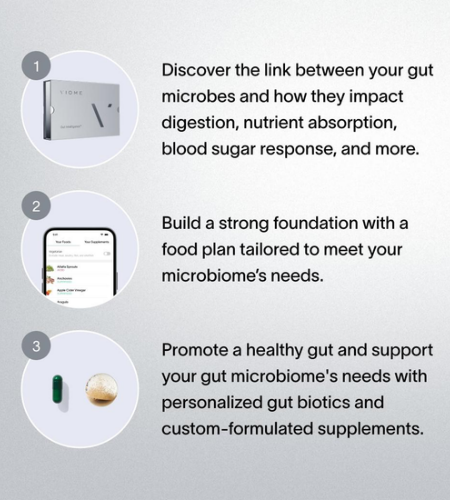
- Receiving an at-home testing kit.
- Collecting a stool sample according to the instructions.
- Returning the sample to its laboratory.
- Receiving personalized insights and recommendations through its platform.
The Gut Intelligence Test advertises more than 25 gut health scores, along with personalized food and wellness recommendations. Viome states that results generally arrive within two to three weeks. viome.com
What to Consider Before Using a Gut Microbiome Test
At-home microbiome testing may interest people who want to explore their microbial activity and learn more about personalized nutrition.
Before choosing a service, consider:
- Testing method: Understand whether the company examines microbial DNA, RNA, or other biological markers.
- Sample collection: Check the collection instructions and laboratory process.
- Recommendations: Review what type of food, supplement, or wellness guidance is included.
- Cost: Compare the initial test price and any additional subscription expenses.
- Limitations: Understand what the results can and cannot tell you about your health.
An important consideration is that commercial microbiome tests are not established diagnostic tools for most digestive conditions. Cleveland Clinic notes that current scientific understanding does not yet make many consumer microbiome reports sufficiently useful for practical medical decision-making. my.clevelandclinic.org
💎 Unlock Incredible Deals & Savings
Frequently Asked Questions
1. What is the gut microbiome in simple words?
It is the community of microscopic organisms, including bacteria, fungi, and viruses, that naturally live in your digestive system.
2. Are all gut bacteria beneficial?
No. Some microorganisms perform helpful functions, while others may cause problems under certain conditions. Their interactions and overall environment matter.
3. How can I support my gut microbiome naturally?
Eat a varied diet rich in fiber, include different plant foods, stay physically active, and follow healthy everyday habits.
4. Can gut microbiome testing identify digestive diseases?
Consumer microbiome tests are not substitutes for medical diagnostic testing. A healthcare professional can recommend appropriate tests based on your symptoms.
5. What does the Viome Gut Intelligence Test measure?
Viome describes its test as an RNA-based analysis of gut microbial gene activity. It provides health scores and personalized nutrition recommendations.
Related Resources
For additional information about the company’s testing approach, product features, pricing, and customer considerations, explore the Viome review and personalized testing guide on Reviewness.
Conclusion
The gut microbiome is an important part of your digestive system, containing microorganisms that contribute to digestion, nutrient processing, and immune function. Its composition can change with diet, medications, lifestyle, and environmental influences.
Learning about your gut microbiome can help you better understand the relationship between everyday habits and digestive health. If you want additional personalized insights, Viome offers at-home testing designed to examine microbial activity and provide nutrition recommendations. Explore its official website to understand the available testing options and decide whether its approach suits your interests.